Culture news and discussion on TalkFuse.
Prepare for disaster, yes, but expect everyday emergencies
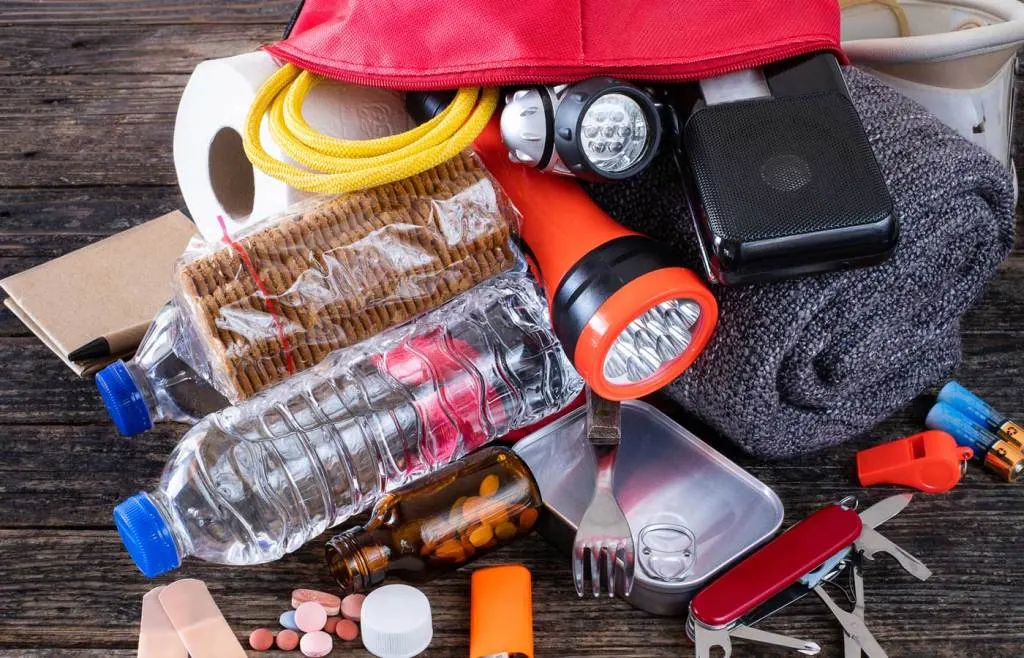
The author recalls a Manhattan dinner party where guests reacted to news that the British government had advised households to keep three days’ worth of water and non-perishable food. In a mood already shaped by political pessimism, the advice was taken as another reason to worry about catastrophe.
The passage gives no further details about the government’s guidance or the guests’ response. Its focus is the contrast between preparing for emergencies and interpreting routine preparedness advice as a sign of looming disaster.
In short
- UK households were advised to keep three days of supplies.
- Dinner guests treated the advice as fresh cause for concern.
- The passage frames preparedness against a backdrop of political gloom.
Steelman: both sides, in good faith
The strongest fair case each way — we don't pick a winner.
The case for
Household preparedness can help people cope with disruptions such as power cuts, severe weather or temporary supply problems, reducing pressure on emergency services and giving families more options. Advice to keep basic supplies is a practical precaution, and should not by itself be taken as evidence that officials expect a catastrophe.
The case against
Even sensible preparedness advice can unsettle people if it is presented without clear context about the risks it addresses or why the recommended supplies are needed. In a climate of political anxiety, officials should explain the guidance carefully so routine precautions do not amplify fears or leave people wondering whether a serious threat is being understated.
Culture Elections Politics Travel