Politics news and discussion on TalkFuse.
Democrats seize on midterm wins to push massive minimum wage hikes, but economists see trouble ahead
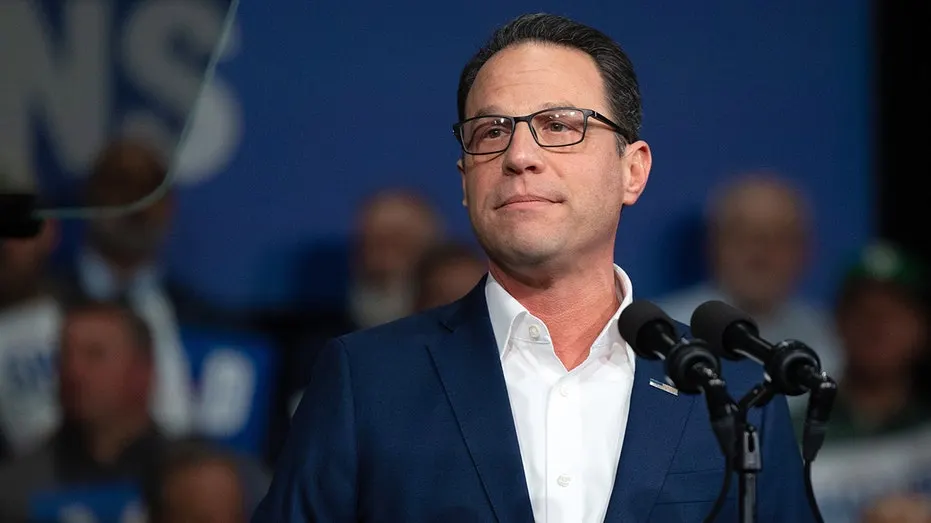
Democratic leaders are renewing calls for substantial minimum-wage increases after midterm victories, presenting them as part of efforts to address affordability. Pennsylvania Governor Josh Shapiro has proposed more than doubling his state’s rate, while Illinois Governor JB Pritzker is backing a federal increase; economists cited in the article warn that higher labour costs could put pressure on small businesses and entry-level jobs.
Shapiro’s plan would raise Pennsylvania’s minimum wage from $7.25 to $15 an hour, an increase of about 107%. Seattle’s rate is $21.30 and is due to reach $22.14 in January; a survey of 136 independent businesses there and nearby found 67% reported greater financial strain than during the pandemic. Research on Seattle wage rises has produced differing findings: one study found reduced hours for less-experienced workers, while another found higher food-service wages without a statistically significant fall in restaurant employment.
In short
- Democrats are pushing major minimum-wage increases after midterm wins.
- Pennsylvania’s proposal would raise the rate from $7.25 to $15.
- Studies of Seattle wage rises have reached different conclusions.
Steelman: both sides, in good faith
The strongest fair case each way — we don't pick a winner.
The case for
Supporters argue that a $15 minimum wage would help low-paid workers keep pace with living costs and make work more financially sustainable. They see higher pay as a way to share the gains of economic growth more fairly, and point to research finding higher food-service wages without a statistically significant fall in restaurant employment.
The case against
Opponents argue that a rapid increase of this scale could raise costs beyond what small businesses can absorb, prompting price rises, reduced hours or fewer entry-level jobs. They point to the reported financial strain among independent Seattle businesses and research finding reduced hours for less-experienced workers as reasons to weigh wage gains against possible effects on employment and business viability.