World news and discussion on TalkFuse.
Floods Force Gaza to Choose Between Clean Water and Pumping Out Sewage
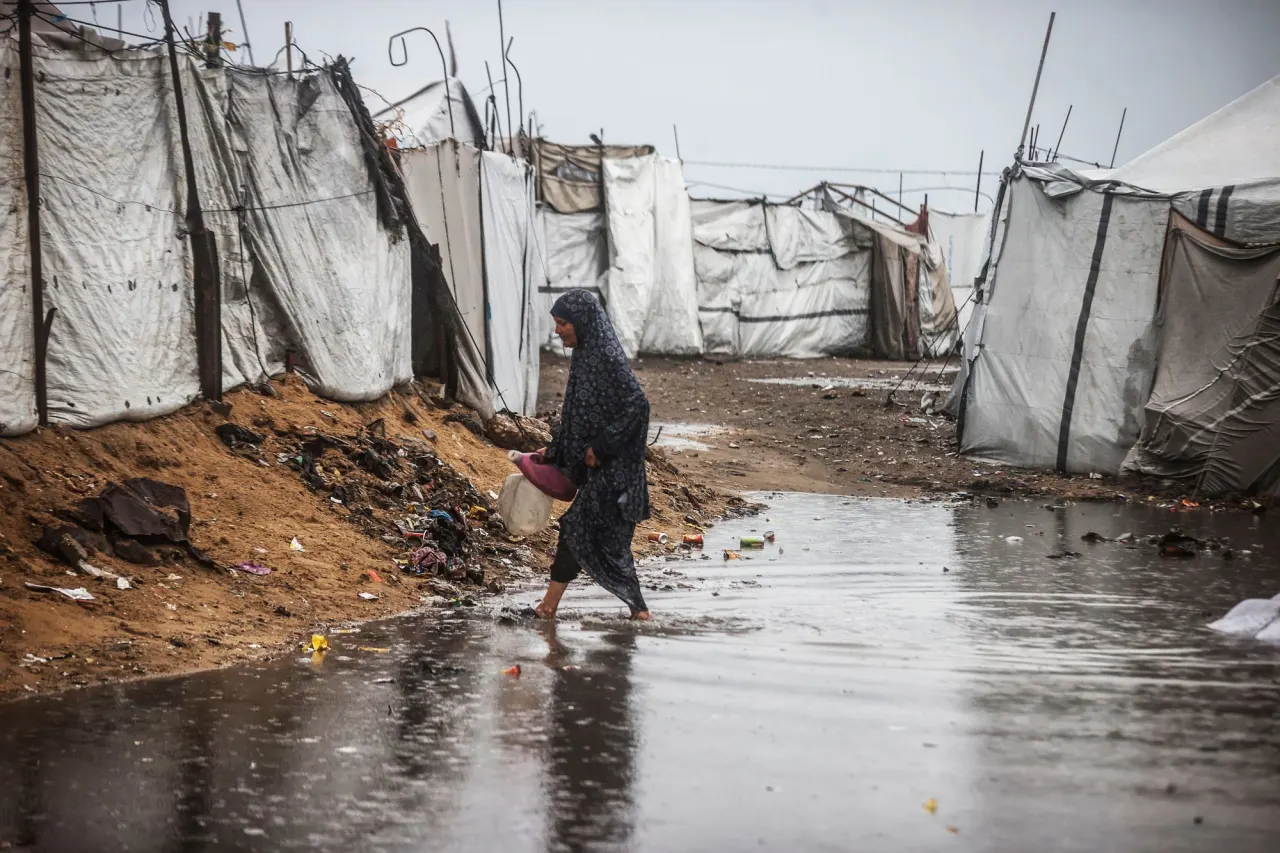
Heavy rain over the weekend of 7 and 8 November flooded tents and shelters across Gaza, where damaged sewage networks and poor drainage left water pooling in displacement sites. Municipalities face a difficult choice: use scarce diesel to pump floodwater and sewage, or reserve it for wells that provide clean water.
In Al Maghazi, engineer Imad Abdel Jawad said some tents had more than a foot of water inside, while missing or damaged sewage covers let rain enter overloaded networks and wastewater overflow. Gaza’s Government Media Office said at least 70,000 tents flooded within 12 hours; by 8 November, the UN estimated 1.4 million people, or 65 per cent of Gaza’s population, were living in tents or shelters. OCHA has also reported restrictions on fuel-related supplies, spare parts and generators, while repairs and more reliable power depend on materials and permissions that remain difficult to obtain.
In short
- Heavy rain flooded shelters and displacement sites across Gaza.
- Scarce diesel must serve water wells or flood pumps.
- Damaged sewage networks and supply restrictions compound the crisis.
Explained simply
Gaza’s water and sewage systems have been badly damaged, and many people displaced from their homes are living in tents or temporary shelters with limited drainage. When heavy rain falls, water can collect in these sites and enter damaged sewage pipes, causing wastewater to overflow.
Municipalities need diesel to run pumps and generators, but supplies are scarce. The same fuel is needed to operate wells that provide clean water, so local officials must weigh removing floodwater and sewage against keeping water flowing.
The problem affects both immediate safety and access to basic services. Repairing pipes, pumps and power systems also depends on spare parts, equipment and fuel reaching Gaza.