Politics news and discussion on TalkFuse.
Abdul el Sayed’s critics are making me sympathetic to him
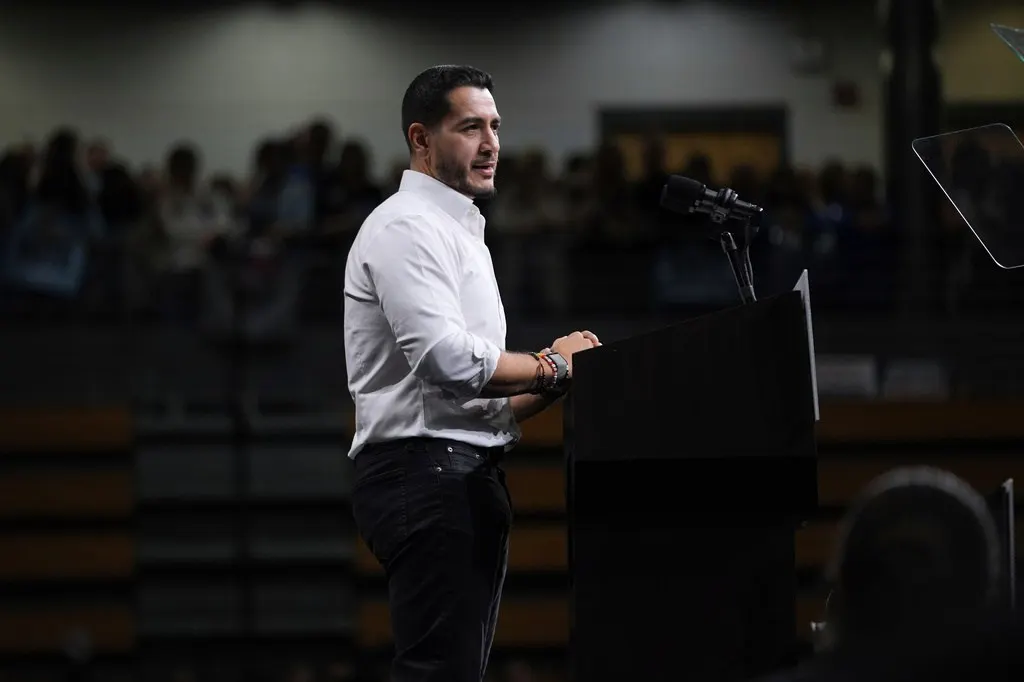
The author objects to religious prejudice and says criticism of Abdul el Sayed has made them more sympathetic to him. They connect their sensitivity to sectarianism to their family background and argue that religious disputes concern questions people regard as fundamental.
The passage provides no specific examples of the criticism or details about el Sayed. Instead, it stresses that modern democracies should handle religious disagreements carefully because bigotry can have serious consequences.
In short
- The author says religious prejudice has made them more sympathetic to el Sayed.
- They argue religious disputes deserve careful handling.
- The passage gives no specific examples of the criticism.
Explained simply
Abdul el-Sayed is a public figure whose views have drawn criticism, though this account does not specify what those views are or who his critics are. The author links their response to a family background that has made them alert to prejudice between religious groups.
Religious disagreements can involve beliefs and practices that people consider central to their lives and identity. In a democracy, debate about religion can raise questions about how to protect open discussion while treating people fairly and guarding against bigotry.