Technology news and discussion on TalkFuse.
AMD and Intel offer different CPU strengths across budgets and workloads
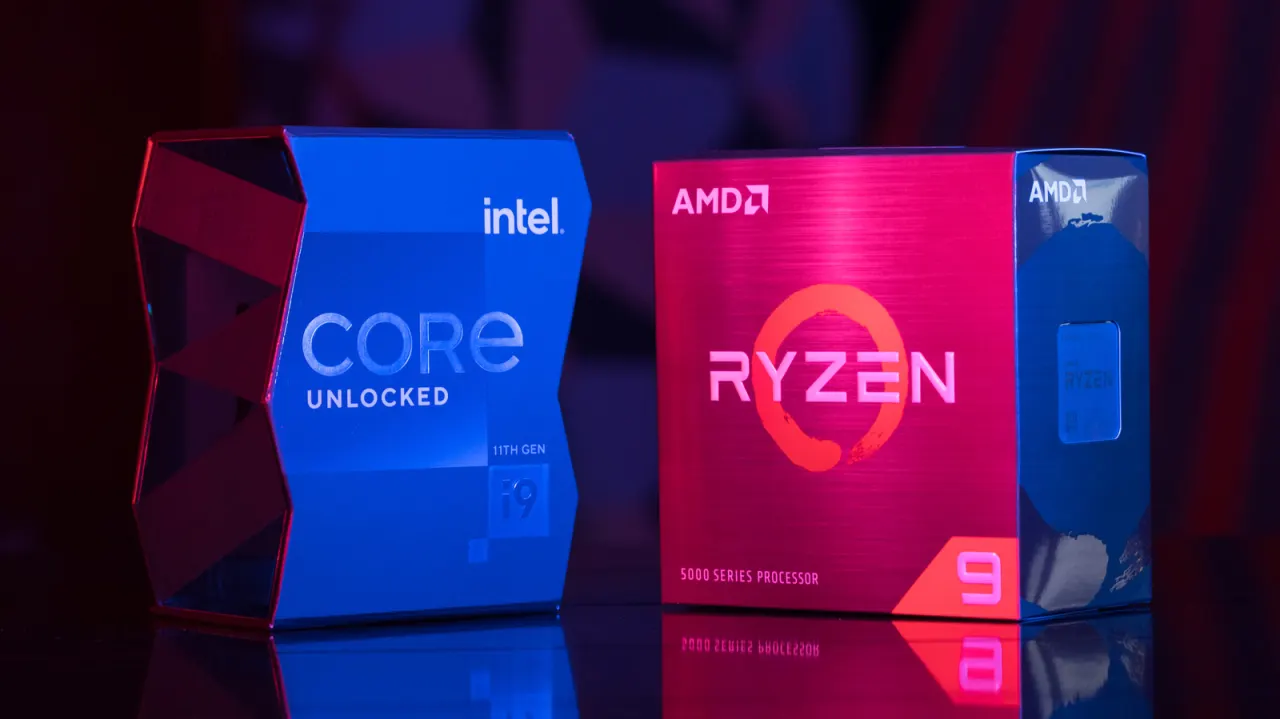
There is no clear winner between AMD and Intel CPUs in 2026: the better buy depends on budget, workload and upgrade preferences. AMD’s X3D processors are popular for gaming, but Intel still ships more desktop processors and has a larger lead in laptops.
The comparison draws on testing by several hardware reviewers across games and creative tasks, with chips grouped into roughly $200, $300 and $450–$700 price tiers. It covers AMD Ryzen 9000 processors, including X3D models, and Intel Core Ultra 200S Plus and flagship chips, alongside relevant laptop processors. Prices can change, and higher memory and storage costs are pushing up the cost of complete systems.
In short
- AMD X3D chips are strong gaming options.
- Intel leads CPU shipments, especially in laptops.
- The right choice depends on workload, budget and current prices.
Steelman: both sides, in good faith
The strongest fair case each way — we don't pick a winner.
The case for
AMD is a strong choice for buyers who prioritise gaming performance, especially where its X3D processors offer an advantage, and its options across price tiers may suit people building or upgrading a desktop around those needs. With memory and storage costs raising the price of a complete system, comparing performance and total cost for a particular workload matters more than choosing a brand outright.
The case against
Intel is a strong choice for buyers whose workloads, budget or upgrade plans better match its processors; the comparison does not establish a universal AMD advantage across games and creative tasks. Intel’s broader desktop range and larger laptop presence also give buyers more options, so its offerings may be a better fit depending on the system they need.
Explained simply
AMD and Intel are the two main makers of processors, or CPUs, for personal computers. The CPU handles instructions for programmes and games, and its performance can affect how quickly a computer runs different tasks.
AMD’s Ryzen and Intel’s Core processors come in models aimed at different prices and uses. Some are designed to offer strong gaming performance, while others may suit creative work or portable computers; results can vary between specific models and tasks.
A processor is only one part of a computer’s cost and performance. Memory, storage and the ability to upgrade later can also shape which system makes sense for a buyer.
Read the full article at the source →
Originally published by Engadget as “AMD vs. Intel CPUs: Which is the better buy in 2026?”.