Health news and discussion on TalkFuse.
How the University of North Carolina Tried to Avoid Trump’s Wrath
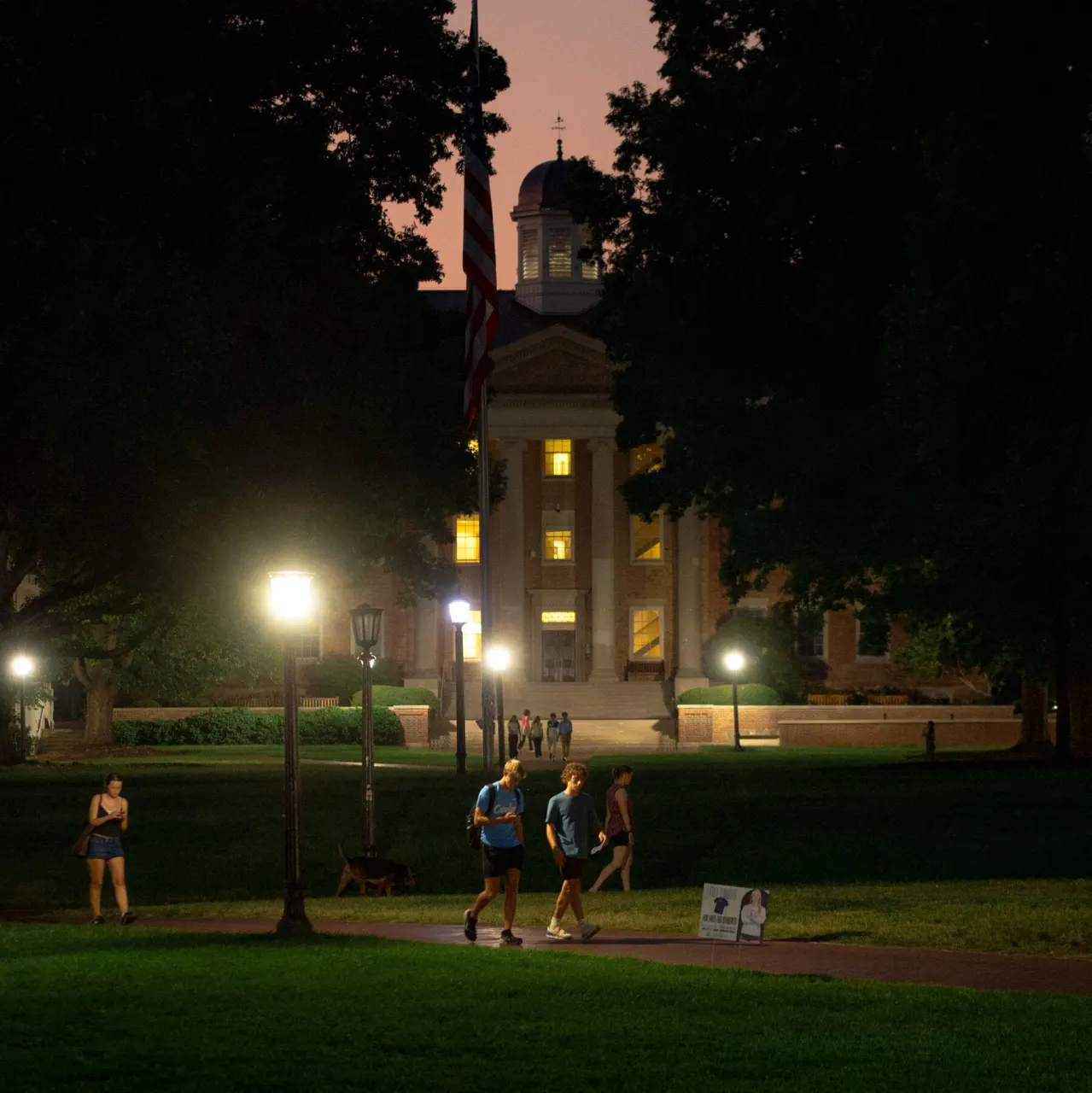
The University of North Carolina at Chapel Hill tried to shield its research from the Trump administration’s funding cuts through quiet negotiation and conciliation. The approach helped preserve most of the university’s research funding, but major projects were still cancelled or disrupted, while faculty mistrust grew over whether leaders were adequately defending academic work.
Chancellor Lee Roberts and other officials sought to calm faculty and influence federal decisions rather than sue the government. Research on cancer, infectious diseases, heart failure and other areas was affected; some professors were advised to revise proposals to avoid topics the administration might object to, a suggestion one called “whitewashing”. National Institutes of Health funding fell early in the administration but later recovered to slightly above Biden-era levels, and the university secured new federal funding for priorities including artificial intelligence and quantum technology.
In short
- UNC used quiet negotiation to protect its research funding.
- Major projects were still cancelled or disrupted.
- Funding later recovered, but faculty trust weakened.
Steelman: both sides, in good faith
The strongest fair case each way — we don't pick a winner.
The case for
University leaders could reasonably argue that quiet negotiation was the most practical way to protect research and preserve access to federal funding. By keeping channels open and aligning some proposals with current priorities, they may have saved projects and resources that a public confrontation or lawsuit would have put at greater risk.
The case against
Faculty and critics could reasonably argue that conciliation came at too high a cost to academic independence and trust. Advising researchers to recast proposals around politically acceptable topics may compromise the integrity of their work, while avoiding legal or public challenges could leave cancelled projects and vulnerable research areas insufficiently defended.