Politics news and discussion on TalkFuse.
Teachers could face jail under Labour’s trans bill, school leaders warn
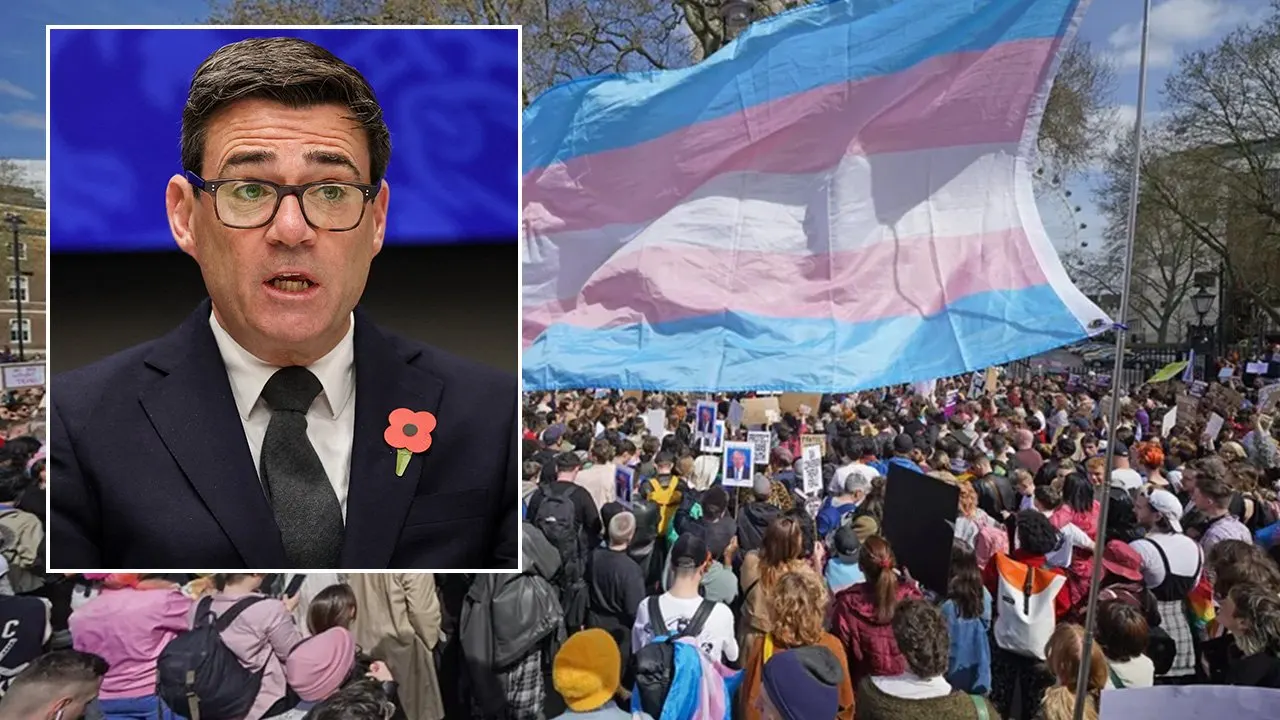
School leaders and teaching organisations have warned that Labour’s proposed Conversion Practices Bill could leave teachers and governors exposed to prosecution when discussing a pupil’s gender identity. They say uncertainty over how the draft law would interact with existing safeguarding duties could lead staff to fear criminal consequences for questioning a child’s wishes or using incorrect pronouns.
The Bill proposes prison sentences of up to five years for abusive attempts to change someone’s sexuality or gender identity that cause serious harm or distress. The National Education Union will raise concerns with MPs, while the National Governance Association is seeking explicit assurances and clearer guidance; the Association of School and College Leaders is monitoring the issue. Ministers say the legislation is intended to address psychological abuse, and that pre-legislative scrutiny will help resolve concerns.
In short
- School groups say the draft Bill could leave staff unsure about prosecution risks.
- The proposed maximum sentence is five years for harmful conversion practices.
- Ministers say scrutiny will help address concerns about the legislation.
Steelman: both sides, in good faith
The strongest fair case each way — we don't pick a winner.
The case for
Supporters of the Bill argue that conversion practices can cause serious psychological harm, including to children, and that the law should protect people from abusive efforts to change their sexuality or gender identity. They may see a carefully defined offence and parliamentary scrutiny as a way to provide protection while clarifying how it applies alongside schools’ safeguarding responsibilities.
The case against
School leaders and teaching organisations argue that uncertainty about the offence could make staff fear prosecution for good-faith safeguarding conversations, questioning a pupil’s wishes or making mistakes over pronouns. They say clearer limits and guidance are needed so teachers can support children and meet existing duties without feeling that ordinary professional judgement risks criminal consequences.