World news and discussion on TalkFuse.
What to Know About Friday’s Nationwide Ground Stop
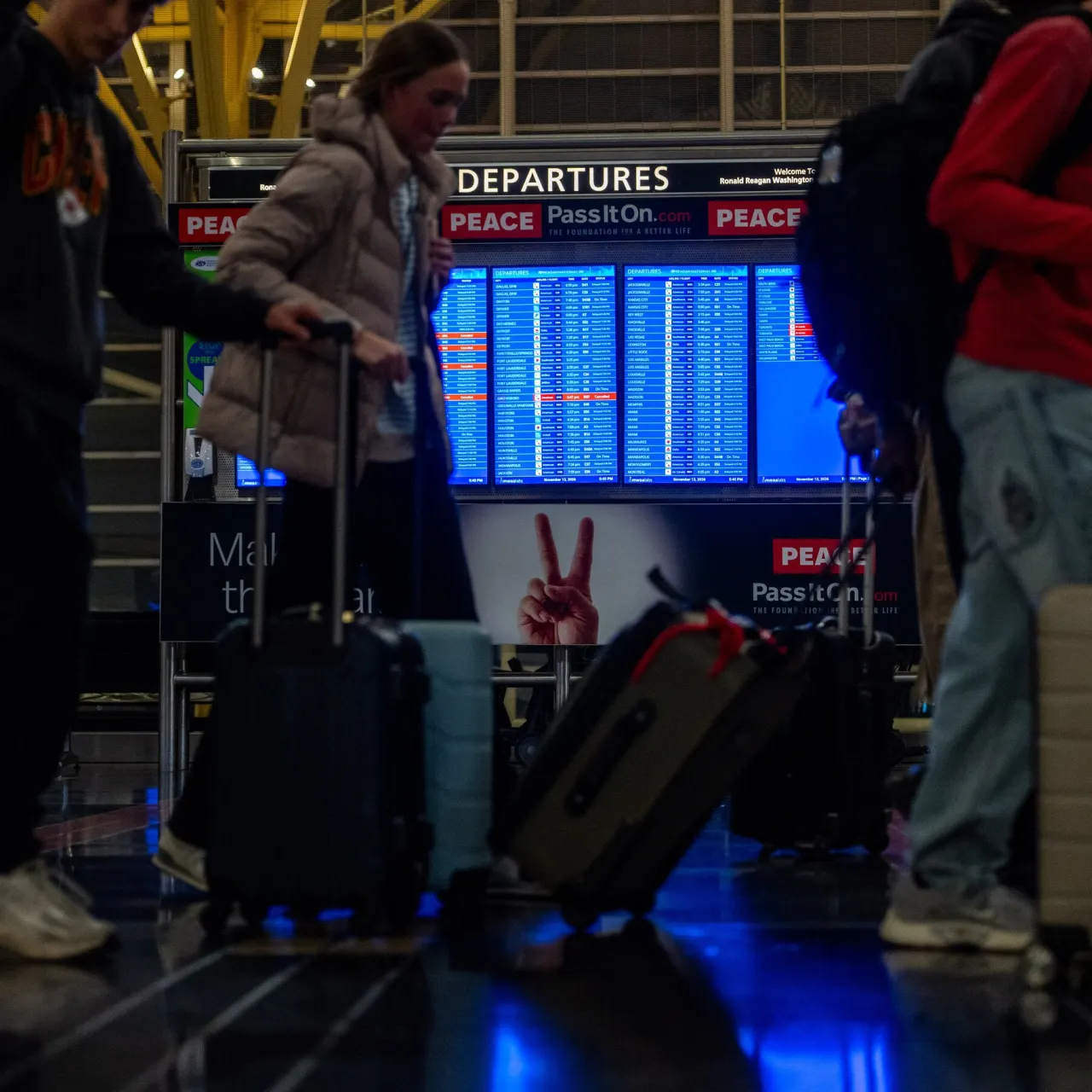
The Federal Aviation Administration ordered a rare nationwide stop to take-offs on Friday after ageing air traffic communications equipment became overloaded and began failing. The disruption stranded thousands of passengers and caused widespread delays, exposing vulnerabilities in the US aviation system and intensifying calls for faster upgrades.
The failures began at 3.36 p.m., according to Transportation Secretary Sean Duffy; Homeland Security Secretary Markwayne Mullin said there was no evidence of a cyberattack. Duffy said upgraded digital facilities did not experience the same problems, but described the wider system as a patchwork of old and new technology. Congress approved $12.5 billion for upgrades last year, while Duffy is now seeking $50 billion in emergency funding before year-end; he said schedules should recover before Thanksgiving.
In short
- Ageing communications equipment triggered a nationwide ground stop.
- Thousands of passengers faced disruption and continuing delays.
- The transport secretary is seeking $50 billion for upgrades.
Steelman: both sides, in good faith
The strongest fair case each way — we don't pick a winner.
The case for
The ground stop was a prudent safety measure once overloaded communications equipment began failing: preventing new take-offs could reduce risk while controllers and officials assessed the disruption. The incident also supports calls to modernise a patchwork system, and advocates of emergency funding can argue that the cost of delay and vulnerability to further failures warrants acting quickly.
The case against
A nationwide stop imposed major costs on passengers and airlines, so critics can reasonably ask whether a broad measure was necessary and whether better contingency planning could have limited the disruption. They may also argue that Congress has already approved $12.5 billion for upgrades, making a new $50 billion emergency request difficult to assess without clear priorities, timelines and evidence that existing funds are insufficient.
Explained simply
The Federal Aviation Administration (FAA) manages air traffic in the United States, including the communications systems controllers use to coordinate aircraft. A nationwide ground stop prevents flights from taking off for a period of time, while planes already in the air may continue under instructions from air traffic control.
The disruption has drawn attention to the mix of older and newer equipment used across the US aviation system. Congress approved $12.5 billion for upgrades last year, and the government is seeking further funding, raising questions about how the system should be modernised and paid for.