World news and discussion on TalkFuse.
The White House’s wacky and inspiring history of presidential renovations
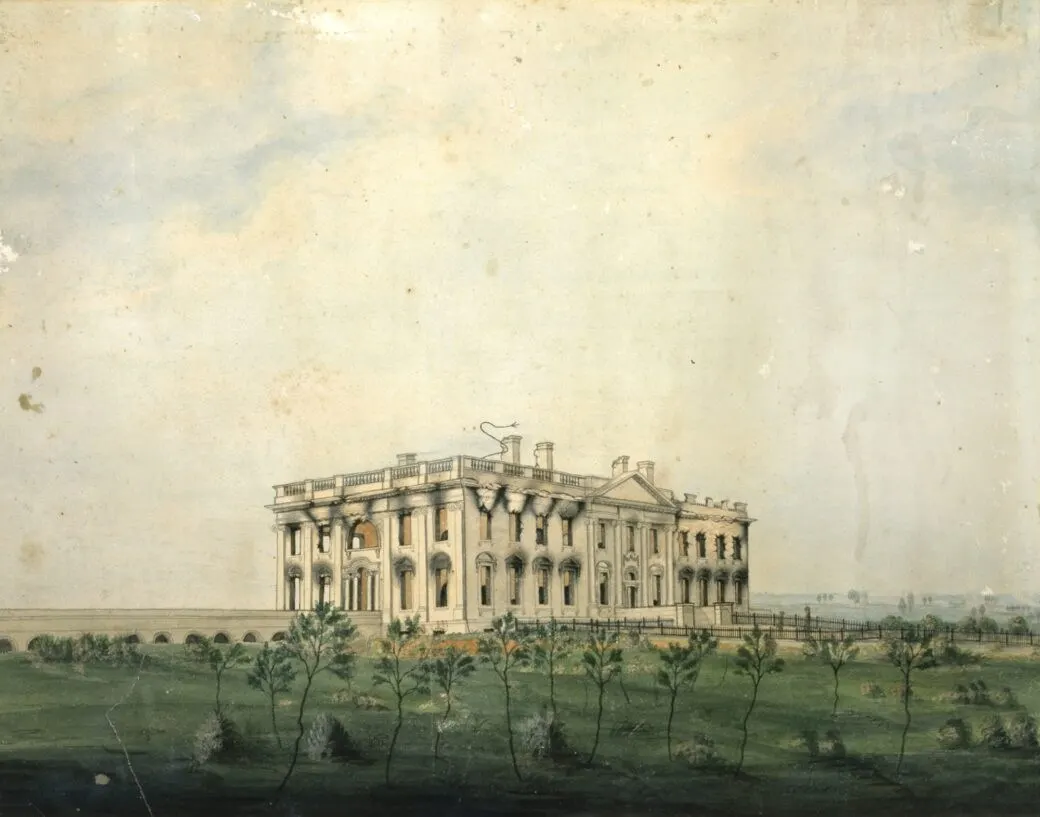
The White House has been repeatedly altered by presidents and first ladies, reflecting changing tastes and the nation’s history. A new book by historian Leslie Greene Bowman traces that story through the building’s art and renovations, including the survival of key objects during the 1814 British fire.
George Washington helped choose the site, while architect James Hoban won the design competition; when Abigail Adams arrived in 1800, she used the unfinished East Room to dry laundry. In 1800, Congress allocated $800 for Gilbert Stuart’s portrait of Washington, which Dolley Madison rescued from the fire and which now hangs in the East Room. Later changes could prompt political backlash: Martin Van Buren’s lavish furnishings drew fierce criticism after the 1837 financial panic.
In short
- The White House has evolved through generations of presidential changes.
- Dolley Madison rescued Washington’s portrait from the 1814 fire.
- Martin Van Buren faced backlash over lavish redecoration.
Explained simply
The White House is both the home of the US president and a public symbol of the country. George Washington helped choose its site, and Irish-born architect James Hoban designed the building; it was not fully finished when John and Abigail Adams moved in in 1800.
Presidents and their families have changed its rooms over time, adding furnishings and art that reflect their tastes and the period. During the British burning of Washington in 1814, First Lady Dolley Madison helped save Gilbert Stuart’s portrait of George Washington, now displayed in the East Room.
Changes to the house have sometimes drawn public criticism, especially when costly furnishings seemed out of step with economic hardship. The building’s renovations therefore tell a story not only about presidential households, but also about how Americans have viewed the office and its use of public resources.