Technology news and discussion on TalkFuse.
Sodium-ion batteries lag lithium in energy density but may outperform in cold
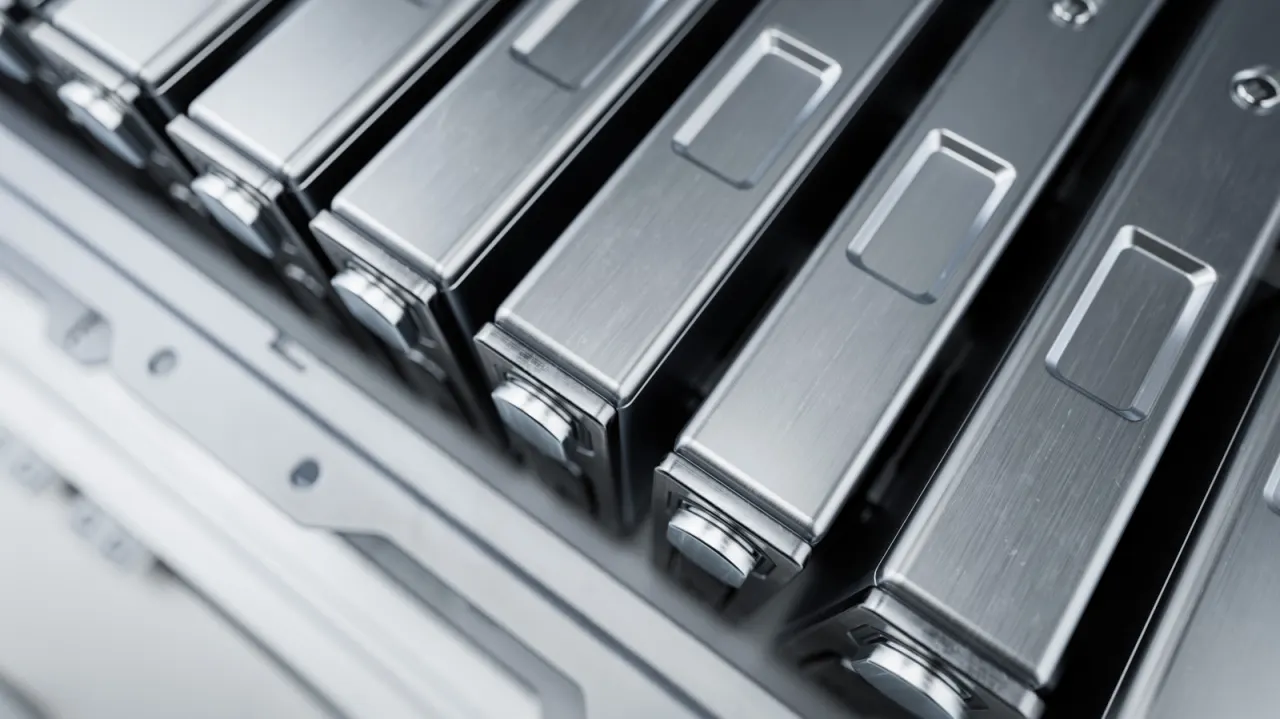
Sodium-ion and lithium-ion batteries store energy in similar ways, but use different ions. Sodium-ion cells are less energy-dense, limiting their appeal where weight and size matter, though they could suit cold-weather vehicles and stationary grid storage.
Sodium-ion batteries provide about 175 watt-hours per kilogram, compared with 205 for lithium iron phosphate and 255 for lithium NMC. They retain around 90 per cent capacity at minus 40 degrees Fahrenheit and may pose a lower risk of thermal runaway. Sodium is abundant, but production remains limited, supply chains are still developing, and some battery components also face sourcing challenges. Companies including CATL and General Motors are pursuing commercial production, but lithium has an established manufacturing lead.
In short
- Sodium-ion batteries store less energy for their weight.
- They perform better in extreme cold and may be more stable.
- They may complement lithium-ion in grid storage and specialist uses.
Steelman: both sides, in good faith
The strongest fair case each way — we don't pick a winner.
The case for
Sodium-ion batteries could diversify energy storage and reduce reliance on lithium, while sodium’s abundance may support wider supply over time. Their ability to retain capacity in extreme cold and potentially lower risk of thermal runaway could make them attractive for cold-weather vehicles and grid storage, where weight and size matter less.
The case against
Lithium-ion batteries offer more energy per kilogram, making them better suited to vehicles and devices where range, weight and space are priorities. Lithium also benefits from established manufacturing and supply chains, while sodium-ion production remains limited and some components still face sourcing challenges, leaving its cost and scalability uncertain.
Explained simply
Lithium-ion batteries power many electric vehicles and store electricity for the grid. Sodium-ion batteries work in a similar way, but move sodium ions rather than lithium ions to store and release energy.
Sodium is more abundant than lithium, but sodium-ion batteries hold less energy for their weight and size. This can make them less suitable for vehicles where space and range are priorities, while their ability to retain capacity in very cold conditions could be useful in some vehicles and in stationary storage.
Companies such as CATL and General Motors are working towards commercial production. Lithium-ion batteries already have established factories and supply chains, while sodium-ion production remains limited and some components may also be difficult to source.
Read the full article at the source →
Originally published by Engadget as “Sodium vs. lithium-ion batteries: What’s the difference between them?”.