Politics news and discussion on TalkFuse.
Progressive versus moderate? Democrats deny party rift as they head into new Congress
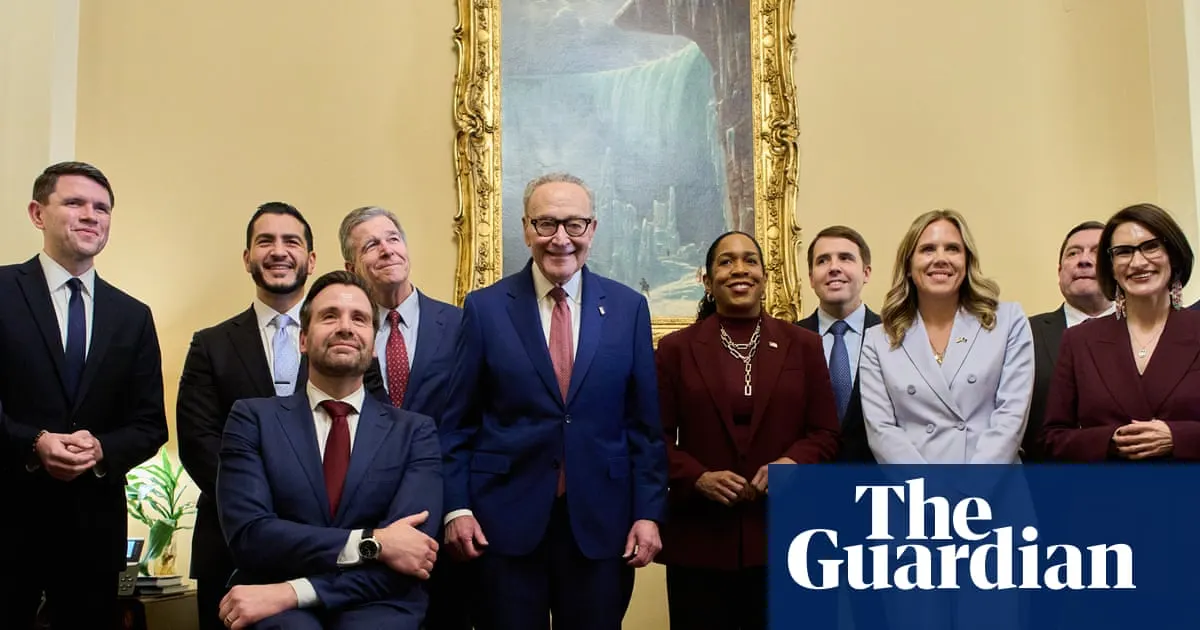
Democrats who won seats in the midterm elections are rejecting claims that the party is split between progressives and moderates. They say the incoming lawmakers share priorities such as lowering living costs, holding the Trump administration accountable and delivering practical results, despite differing backgrounds and political approaches.
The new class includes Democrats elected in both traditionally Republican-leaning areas and party strongholds, and leaders say their broad coalition could make the party more durable. Before taking office, lawmakers will also face decisions over party leadership: Senator Chris Van Hollen is challenging Chuck Schumer, while Hakeem Jeffries appears to face no immediate challenge for the House leadership. The article says the shared agenda will be tested by Washington’s institutions and the president’s veto power.
In short
- Democrats say shared goals matter more than ideological labels.
- Affordability and accountability anchor the incoming class’s agenda.
- Leadership contests will test the party’s push for change.
Steelman: both sides, in good faith
The strongest fair case each way — we don't pick a winner.
The case for
Democrats who deny a serious party rift can argue that lawmakers with different backgrounds and tactics still share practical goals, including reducing living costs and holding the administration accountable. A coalition that can win in both Republican-leaning areas and party strongholds may be more durable if it makes room for varied approaches, while focusing on results voters broadly value.
The case against
Those who see a meaningful divide can argue that agreement on broad goals does not settle disputes over policy, strategy or how confrontational the party should be. Leadership contests and the challenge of delivering an agenda through Washington’s institutions and presidential veto power may expose differences that are less visible before lawmakers take office.
Explained simply
The Democratic Party includes voters and elected officials with different views on how quickly and broadly government should act. “Progressive” and “moderate” are often used to describe those differences, but they do not capture every lawmaker’s priorities or approach.
The incoming class includes Democrats elected in areas with different political traditions. Party leaders say they can work together on concerns such as the cost of living and oversight of the Trump administration, though their approach may vary.
Before the new Congress begins, Democrats will choose leaders in the Senate and House. What they can achieve will also depend on negotiations in Congress and the president’s power to veto legislation.