Business news and discussion on TalkFuse.
Brooklyn fire erupted after NYC partner in e-bike battery-swapping program didn’t follow FDNY rules
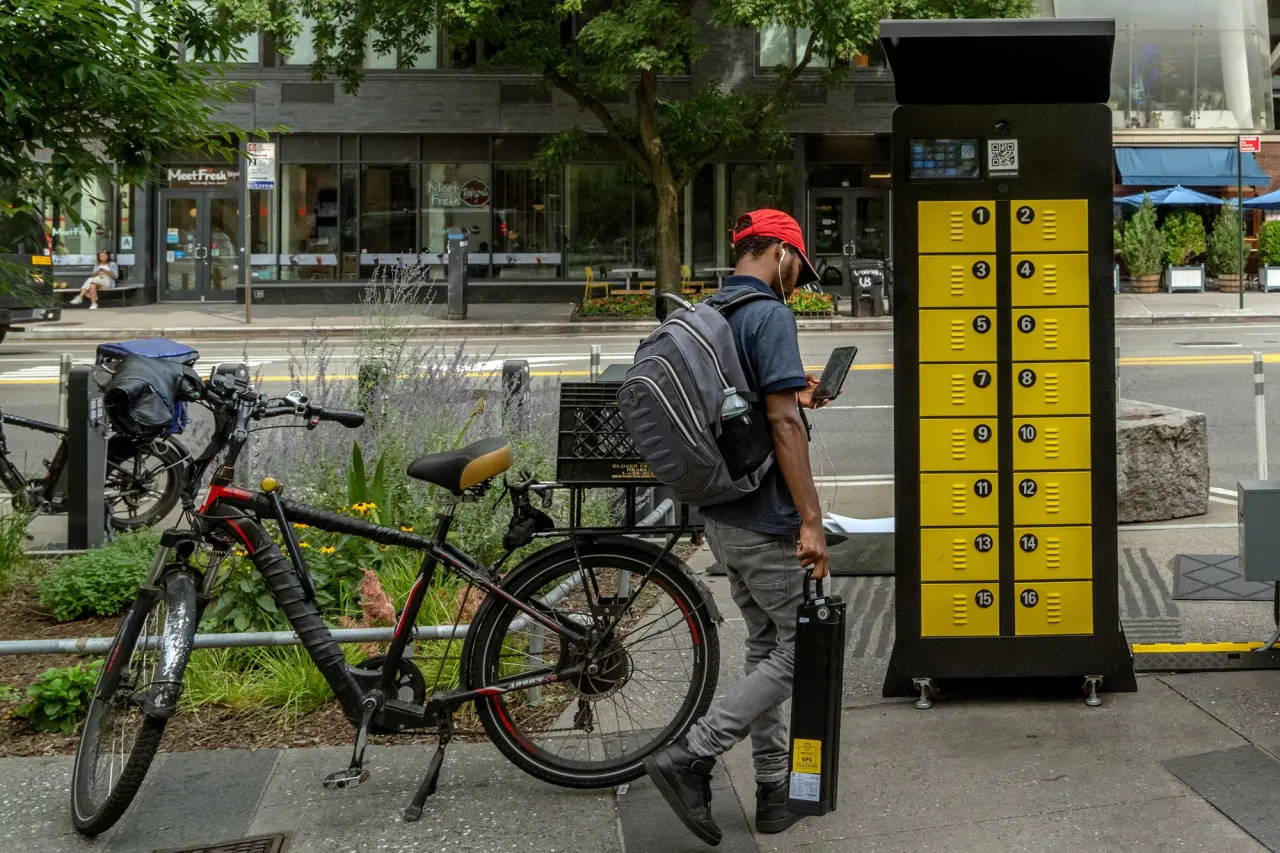
A Brooklyn e-bike battery company working with New York City’s transport and fire departments violated safety rules at a storage site where a fire destroyed hundreds of batteries. The FDNY said PopWheels charged and stored battery packs in unapproved cabinets, though investigators could not establish whether that breach caused the blaze.
The 15 August fire at the Fort Greene site caused about $500,000 in damage and required a further $150,000 in hazardous-materials clean-up; no one was hurt. PopWheels says no batteries were being charged or discharged when the fire began and describes its safety record as strong, while disputing some recent FDNY citations. The company is one of three approved operators of outdoor battery-swapping kiosks, amid a reported 68% rise in lithium-ion battery fires this year and a City Council emergency hearing scheduled for 20 November.
In short
- FDNY found PopWheels breached safety rules at its Brooklyn storage site.
- The fire destroyed 433 batteries and caused about $500,000 in damage.
- The investigation could not determine whether the breach caused the blaze.
Steelman: both sides, in good faith
The strongest fair case each way — we don't pick a winner.
The case for
The fire department’s rules are intended to reduce the risks posed by lithium-ion batteries, and storing or charging packs in unapproved cabinets could undermine safeguards even if investigators cannot link that breach to this fire. With battery fires reportedly rising and the blaze causing substantial damage, enforcing clear standards for an approved operator may help protect workers and nearby residents while the city expands battery-swapping infrastructure.
The case against
A rule breach does not establish that it caused this fire, and investigators could not determine the cause; PopWheels also says no packs were charging or discharging when the blaze began. The company points to a strong safety record and disputes some citations, so any conclusions or penalties should rest on established evidence and fair procedures rather than treating the fire itself as proof of negligence.