Politics news and discussion on TalkFuse.
Alaska voters reject ballot measure seeking to repeal open primaries and ranked voting system
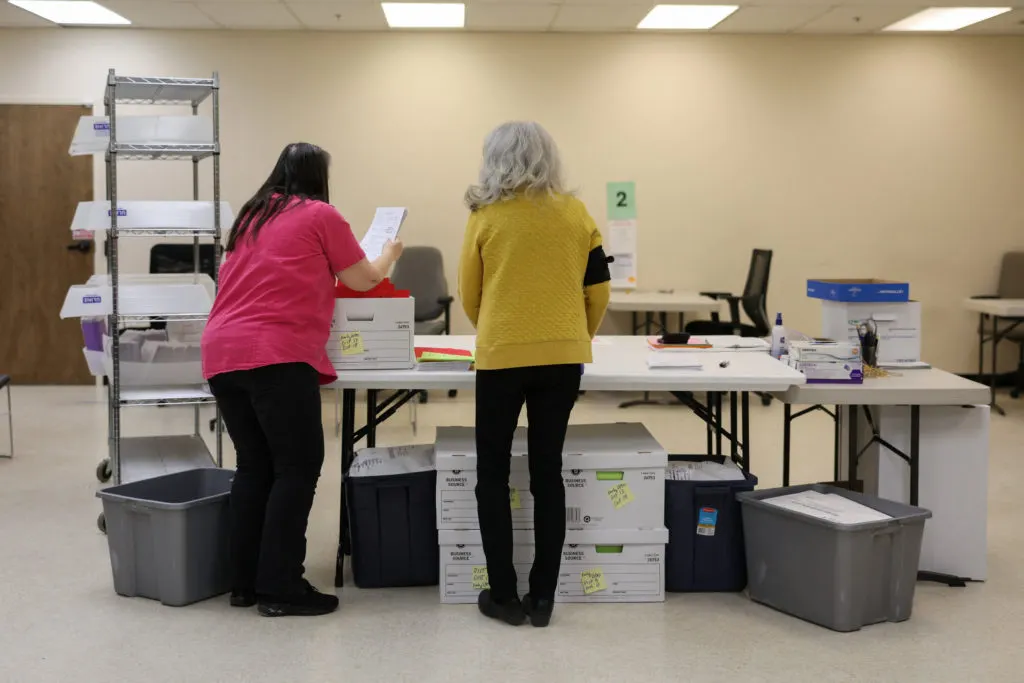
Alaska voters rejected a ballot measure to repeal the state’s open primaries and ranked choice voting in general elections. The result preserves a system supporters say expands voter choice and encourages candidates to appeal to a broader range of people.
The measure was rejected for the second time in two years, after voters narrowly approved the system in 2020 and it was first used in 2022. Under the rules, all candidates appear in the same primary, with the top four advancing to the general election, where voters rank their choices. The repeal proposal would also have removed some campaign disclosure rules; opponents, including Donald Trump, have criticised the system as confusing.
In short
- Alaska voters kept open primaries and ranked choice voting.
- It is the second rejection of repeal efforts in two years.
- The system advances the top four primary candidates to the general election.
Steelman: both sides, in good faith
The strongest fair case each way — we don't pick a winner.
The case for
Keeping open primaries and ranked choice voting can give voters more meaningful options by allowing candidates from across parties to compete together and letting voters rank preferences. Supporters argue this can reward candidates who appeal beyond a narrow base, while the repeat rejection of repeal suggests voters have had a further opportunity to assess the system. Preserving the disclosure rules may also help voters see who is funding campaigns.
The case against
Repealing the system can be defended on the grounds that elections should be straightforward to understand and administer, and that voters should not have to learn a new method to cast an effective ballot. Critics may argue that open primaries and ranking candidates make outcomes less intuitive or weaken the familiar role of party primaries. Removing some disclosure rules could also be presented as reducing regulatory burdens, though voters have rejected repeal twice.