Business news and discussion on TalkFuse.
Fed’s Collins says gradual rate hikes best to manage economic risks
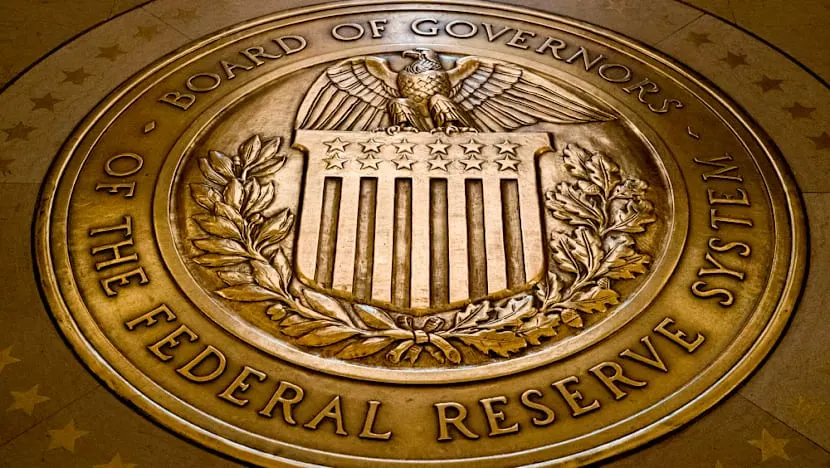
Boston Fed President Susan Collins said gradual, modest interest rate rises are the best way to manage economic uncertainty, while leaving open the possibility of a different pace. Her comments add to debate over how quickly the US Federal Reserve should raise borrowing costs to bring inflation down.
Collins said inflation remained high and was spreading, while the jobs market was stable and could strengthen; she also pointed to the risk of further economic shocks and the possibility that longer-term rates were already weighing on demand. The Fed’s target range was 3.75 to 4 per cent after a September increase, and markets widely expected a quarter-point rise in December followed by another in January. Recent price and labour-market data led Collins to say rates could end up higher over the coming year than she had expected a few months earlier.
In short
- Collins backs gradual, modest rate rises to manage uncertainty.
- Inflation and a strong jobs market may push rates higher.
- Markets expected quarter-point increases in December and January.
Steelman: both sides, in good faith
The strongest fair case each way — we don't pick a winner.
The case for
Gradual, modest rate rises could reduce inflation while limiting the risk of needlessly weakening demand or employment. With uncertainty about economic shocks and signs that longer-term rates are already restraining activity, a measured pace would let policymakers assess new data and adjust course.
The case against
If inflation remains high and continues to spread while the jobs market is stable, gradual increases may not restrain demand quickly enough. A faster pace could help bring inflation under control sooner and avoid the risk that delayed action makes price pressures more persistent, though it would need to account for the danger of slowing the economy too sharply.
Explained simply
The US Federal Reserve, often called the Fed, sets interest rates that influence the cost of borrowing for households and businesses. It raises rates to help slow spending and bring inflation, the pace at which prices rise, under control.
Susan Collins leads the Federal Reserve Bank of Boston and takes part in the Fed’s decisions on interest rates. Those decisions balance the aim of reducing inflation against the risk of slowing the economy and weakening the jobs market.
The Fed’s choices matter beyond the United States because changes in US borrowing costs can affect financial markets and borrowing around the world. Policymakers also have to judge how new economic data and unexpected shocks might alter the balance of risks.