World news and discussion on TalkFuse.
‘No justice, no peace’: Fifth round of protests sweep across France
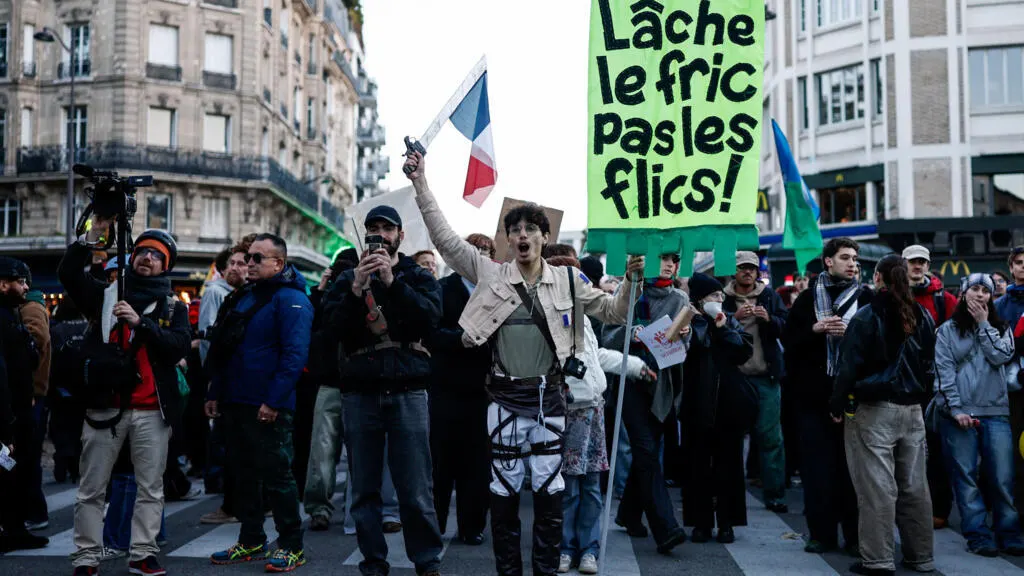
About 106,000 people took part in demonstrations across France on Saturday, the fifth consecutive weekend of protests over living costs, public services and a proposed law expanding legal protection for police who use their weapons. The unrest adds pressure on President Emmanuel Macron’s government as the country approaches next year’s presidential election and faces rising support for far-right candidates.
The interior ministry counted 24,000 demonstrators in Paris and 219 arrests nationwide; student unions estimated 200,000 protesters, nearly 100,000 in the capital. Most rallies were peaceful, though authorities reported an attack on television reporters in Lyon, and lawyers have cited injuries allegedly caused by police at earlier protests. Unions have called a strike for Tuesday after rejecting the government’s proposed 0.6 per cent minimum wage increase.
In short
- France saw its fifth straight weekend of protests.
- Estimates ranged from 106,000 to 200,000 demonstrators.
- A proposed police bill and living costs fuelled dissent.
Steelman: both sides, in good faith
The strongest fair case each way — we don't pick a winner.
The case for
Supporters of the protests argue that rising living costs, strained public services and a small proposed minimum wage rise leave many people without adequate recourse. They also say widening legal protection for armed police risks weakening accountability, particularly given reports of injuries at earlier demonstrations, and that sustained peaceful protest is a legitimate way to press the government to respond.
The case against
Those opposing the protests’ demands argue that the government must balance household hardship with economic constraints and the practical needs of public services, while a 0.6 per cent wage increase may be a cautious measure rather than a sufficient final settlement. They may also defend stronger legal protection for police as a way to let officers act decisively in dangerous situations, provided safeguards and accountability remain in place, and argue that violence against reporters undermines public debate.
Explained simply
France’s president leads the government, while parliament makes laws. Emmanuel Macron’s administration has faced protests over rising living costs and public services, including pay and access to healthcare and education.
The demonstrations have also been fuelled by a proposed law that would give police broader legal protection when they use their weapons. Police powers and the handling of protests have been subjects of debate, with officials and lawyers reporting different accounts of violence and injuries.
The protests come as France prepares for a presidential election next year. Parties on the far right have been gaining support, making the government’s response to public concerns an important issue in the country’s politics.