Entertainment news and discussion on TalkFuse.
In 1985, Frankie Goes to Hollywood were revolutionising pop, but Mick Jagger thought they were “total garbage”
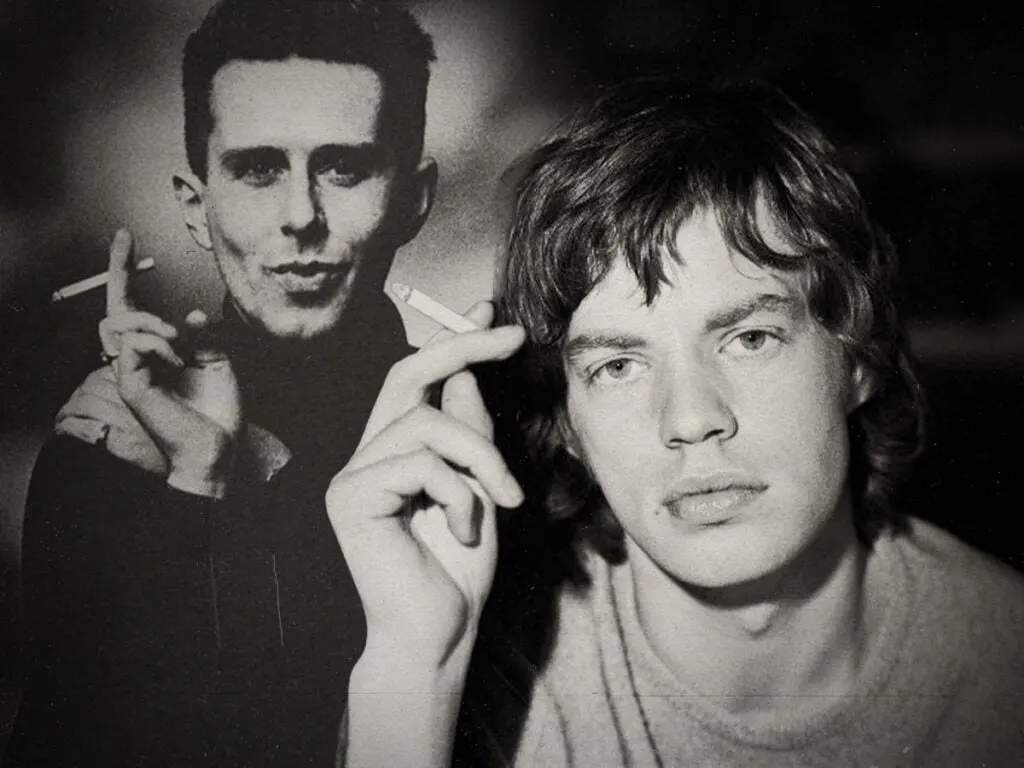
In 1985, Mick Jagger called Frankie Goes to Hollywood “total garbage” after seeing the Liverpool band perform at the Ritz. His remarks reflected both his dislike of their live show and his objection to their use of pre-recorded backing tracks, at a time when electronic pop was challenging traditional ideas of rock performance.
Frankie Goes to Hollywood had become one of the defining acts of 1984, scoring three number-one singles and releasing the controversial album *Welcome to the Pleasuredome*. Jagger said the band’s singer, Holly Johnson, sang out of tune and complained that concertgoers had paid $15 to hear backing tracks. The article places his criticism alongside earlier attacks on younger groups, including The Clash, The Specials and The Selecter.
In short
- Jagger dismissed Frankie Goes to Hollywood after seeing them live.
- He criticised Holly Johnson’s singing and their backing tracks.
- The band had three number-one hits and a controversial album.
Steelman: both sides, in good faith
The strongest fair case each way — we don't pick a winner.
The case for
Jagger’s criticism can be understood as a defence of live performance as a test of musicianship: audiences paying for a concert could reasonably expect the band to sing and play, rather than rely heavily on pre-recorded tracks. If Johnson seemed out of tune, Jagger may also have felt the show did not meet that standard, regardless of the band’s success on record.
The case against
Frankie Goes to Hollywood’s use of electronic production and backing tracks reflected a changing pop landscape, where performance could be built around sound, staging and studio-crafted arrangements rather than conventional instrumental playing. Their huge success suggests that many listeners valued the songs and spectacle on those terms, and Jagger’s dismissal may have applied older rock expectations to a different kind of act.
Explained simply
Frankie Goes to Hollywood were a Liverpool pop group whose success grew rapidly in 1984. Their singles and album Welcome to the Pleasuredome helped make them one of Britain’s most prominent acts, while some of their music and imagery drew controversy.
The band used electronic instruments and pre-recorded backing tracks in performance. That approach came as pop was changing, and raised questions about what audiences expected to hear at a live concert and what counted as playing live.
Mick Jagger, the Rolling Stones’ singer, was a leading figure in rock music, whose performances were associated with a more traditional band format. His criticism sat within a wider pattern of established musicians questioning newer groups such as The Clash, The Specials and The Selecter.