Entertainment news and discussion on TalkFuse.
The Beatles, The Who, and the albums designed to be infinitely long
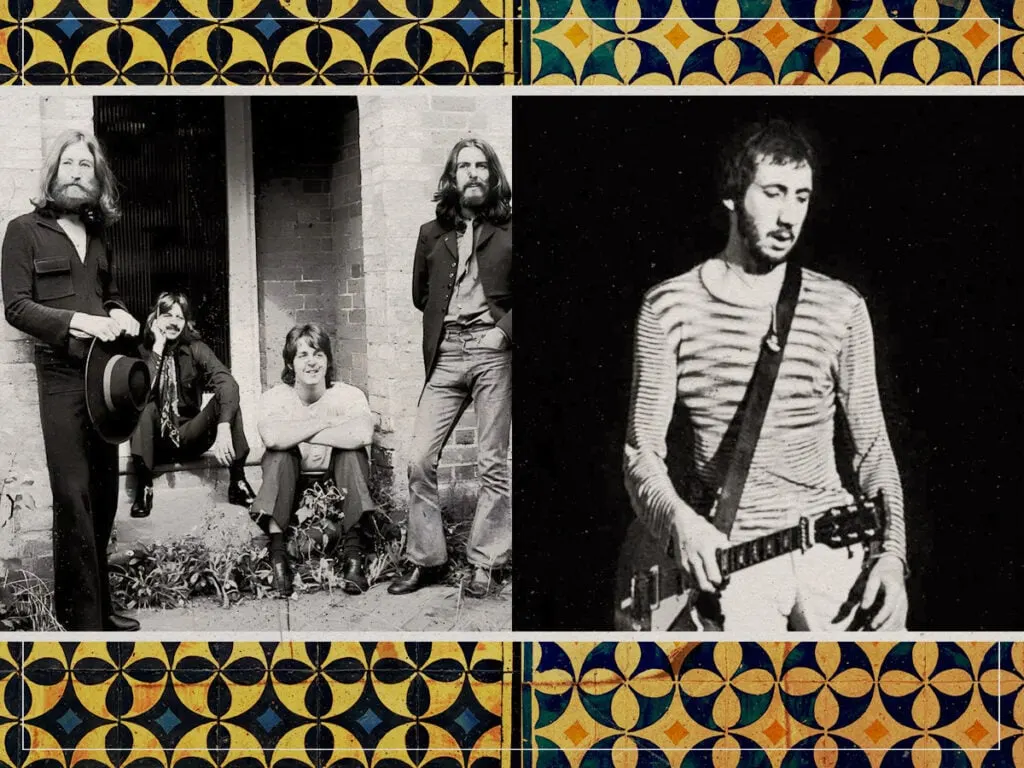
The Beatles added sound that repeated indefinitely in the inner groove of *Sgt Pepper’s Lonely Hearts Club Band*, turning the record’s ending into a practical joke for listeners. The detail mattered because The Who adopted a similar trick soon afterwards, and the device later became common on records.
The Beatles’ 1967 album ended with a high-pitched tone and a loop of studio chatter. About six months later, *The Who Sell Out* closed with the band repeatedly chanting the name of their label, Track Records. On turntables without automatic return, the stylus could keep circling the inner groove until someone lifted it.
In short
- The Beatles used an endless inner-groove loop on *Sgt Pepper*.
- The Who followed with a repeating label chant.
- The trick spread across records in the 1970s and 1980s.
Explained simply
A vinyl record’s stylus follows a spiral groove from the outside towards the centre. At the end, it normally reaches a short inner groove that repeats until the listener lifts the arm; some record players return the arm automatically, while others leave it circling.
The Beatles’ 1967 album Sgt Pepper’s Lonely Hearts Club Band used that repeating groove for sound after its final song. The Who used a similar ending on The Who Sell Out, released about six months later, with a chant naming Track Records, the band’s record label.
These endings turned a technical feature of vinyl into part of the listening experience, and a small joke for anyone whose turntable did not stop or return by itself. The idea later appeared on other records, showing how the physical format could shape the way an album ended.