Technology news and discussion on TalkFuse.
Global fire activity fell by 12.3 per cent during COVID-19 lockdowns
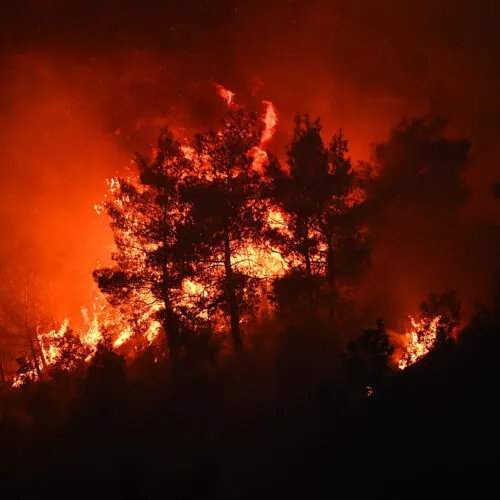
A study found that global fire activity fell by 12.3 per cent during COVID-19 lockdowns, when human mobility dropped sharply. The findings suggest that people’s activities can increase fire risk overall, despite also helping to prevent and contain fires.
Led by Jianghao Wang of the Chinese Academy of Sciences, the team compared fire detections during restricted-mobility periods with other years, using lockdown orders, mobile-phone location data and satellite observations. The satellite detects heat signatures at 375-metre resolution, but cannot distinguish wildfires from intentional prescribed burns, so the researchers could not identify the purpose of each fire.
In short
- Global fire activity dropped 12.3 per cent during lockdowns.
- Researchers used the pandemic as a natural experiment.
- Satellite data could not distinguish wildfires from prescribed burns.
Steelman: both sides, in good faith
The strongest fair case each way — we don't pick a winner.
The case for
The decline in fire activity during lockdowns supports the view that human movement and activity can raise fire risk, for example through accidental ignitions or land-clearing. The study’s use of mobility data alongside satellite observations offers evidence consistent with that explanation, and suggests reduced activity can lower the overall number of fires detected.
The case against
The reported decline does not establish that lockdowns themselves caused fewer harmful fires: satellite heat detections include prescribed burns, and the study could not identify each fire’s purpose. Human presence can also help prevent and contain fires, so fewer detections during restricted mobility do not show that reducing people’s activity is a reliable way to reduce wildfire harm.
Explained simply
Fire activity reflects a mix of natural conditions and human actions. People can start fires through activities such as farming, land clearing and burning vegetation, while also helping to prevent or contain them.
Researchers study fire patterns using satellites, which detect heat at the ground, and information about where people travel. These tools can show how fire activity changes as human movement changes, but a heat detection alone cannot reveal whether a fire was a wildfire or a planned burn.
Understanding the human role in fires matters for managing risk and planning prevention. The balance can vary by place and by the kinds of activity people carry out.
Read the full article at the source →
Originally published by Ars Technica as “How the world’s fires changed while humanity hit pause”.