World news and discussion on TalkFuse.
South Wales police scanned ethnic minorities at four times the rate of white people
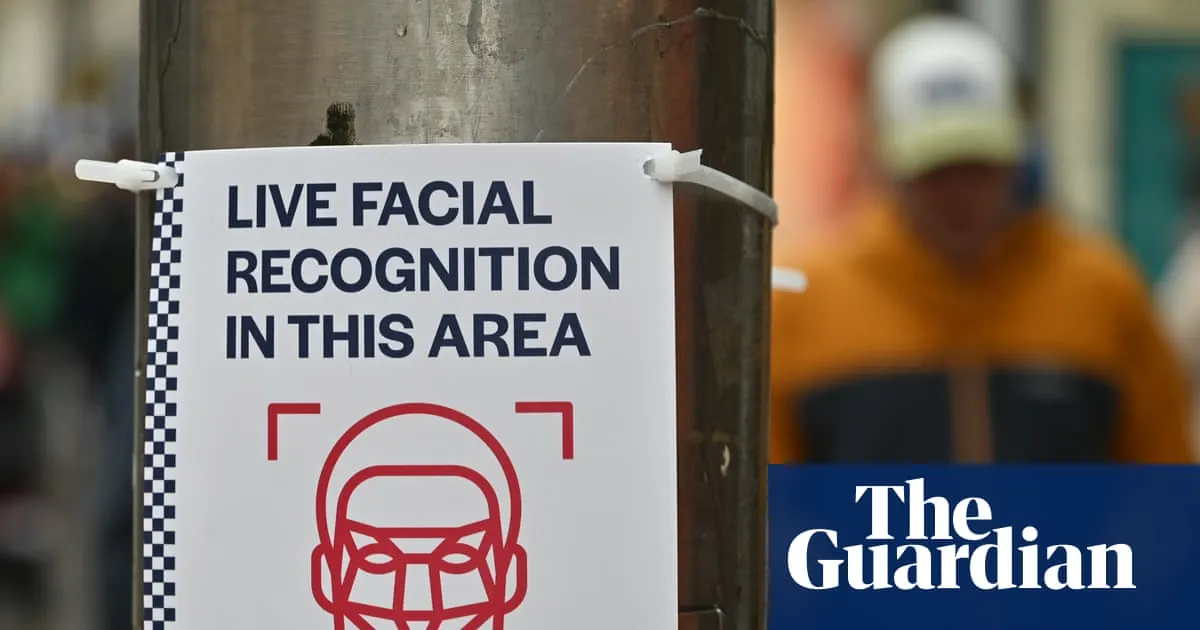
South Wales police data show ethnic minority people were selected for officer-initiated facial recognition scans at four times the rate of white people in 2025, prompting concerns about racial bias. The figures matter because the technology is used to identify people suspected of crimes or unable to provide their details, and critics warn that biased use could increase the risk of wrongful arrest.
Ethnic minorities accounted for 24% of people scanned, while making up 7% of the force’s population; they represented 11% of people arrested in the area. The force said the figures raised concerns about disproportionality and that it was reviewing its approach. The scans use smartphone images and an algorithm called Neoface to check faces against custody mugshots and other databases; campaigners and a man wrongly arrested after a facial match have warned against relying on the technology alone.
In short
- Ethnic minorities made up 24% of South Wales police facial scans.
- They represent 7% of the force’s population.
- The force says it is reviewing its approach.
Steelman: both sides, in good faith
The strongest fair case each way — we don't pick a winner.
The case for
The disparity—ethnic minorities were 7% of the force’s population but 24% of those scanned—raises a serious question about whether officers are applying the technology fairly. Because a facial match can contribute to wrongful arrest, critics argue that the force should scrutinise its selection practices and ensure scans are not treated as sufficient evidence on their own.
The case against
A higher scan rate does not by itself establish that officers are acting with racial bias: the figures may also reflect who is suspected of offences, encountered by police, or represented in relevant custody records. Supporters of officer-initiated scans could argue that the tool helps identify suspects or people unable to give their details, provided its use is reviewed and any match is checked against other evidence; the force says it is reviewing its approach.
Explained simply
Facial recognition software compares an image of a person’s face with images held in police records. South Wales Police uses officer-initiated scans, taken with a smartphone, and an algorithm called Neoface to check against custody mugshots and other databases.
Police can use a match to help identify someone suspected of a crime or someone unable to give their details. The technology does not establish guilt, and a match can be wrong, so its use may affect whether someone is stopped or arrested.
The figures have drawn attention to how often people from different ethnic groups are scanned compared with their share of the local population. The issue matters because unequal use or mistaken matches could expose some people more often to police intervention.
Read the full article at the source →
Originally published by The Guardian as “Ethnic minority groups in Wales four times more likely to be target of police facial scans”.