Technology news and discussion on TalkFuse.
Courts and schools tighten restrictions on camera-equipped AI glasses
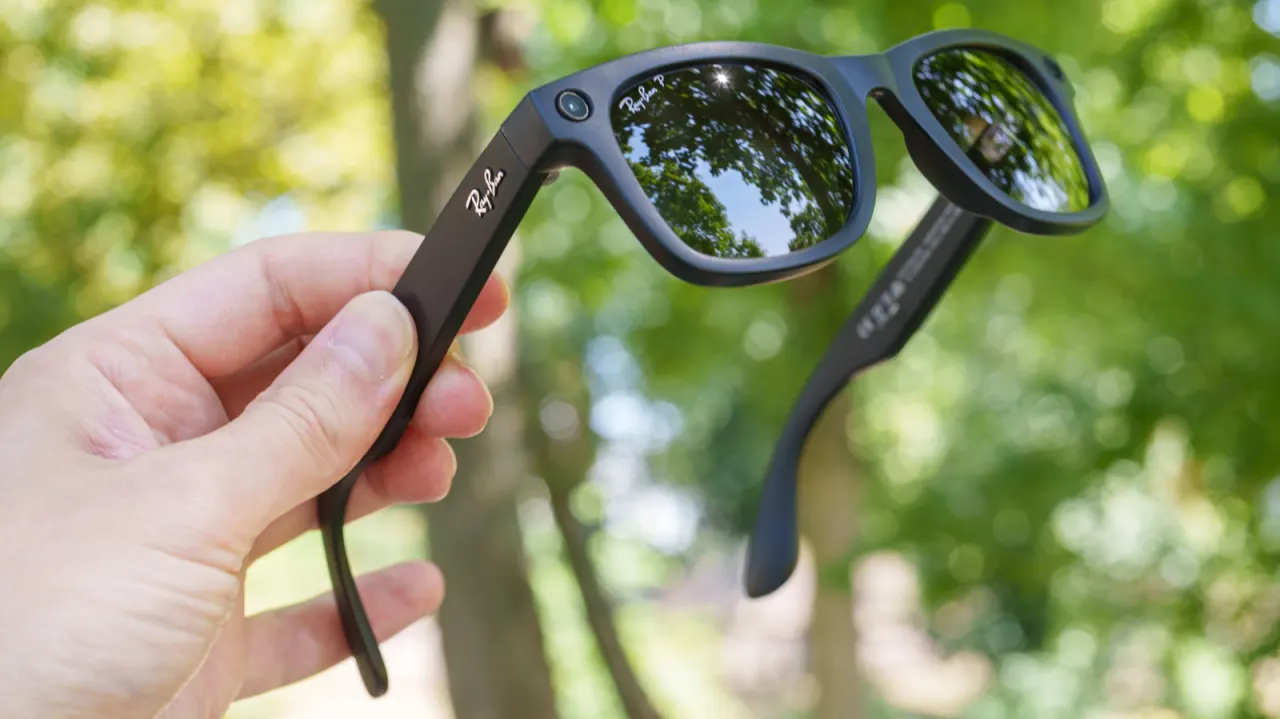
AI glasses with cameras are facing growing restrictions in courts, schools and other public spaces, driven by concerns about covert recording, privacy and security. No country has imposed a permanent, blanket ban, but local rules show how authorities and organisations are responding as camera-equipped glasses become harder to distinguish from ordinary eyewear.
Pakistan’s Punjab province introduced a 30-day ban in October 2026 on the use and sale of camera glasses and disguised miniature cameras. New York bars them from 1,240 state and local courts, while courts in England and Wales also restrict them; public schools in Western Australia have banned them, and Victoria’s similar policy starts in January 2027. Other restrictions cover SAT test sites and military bases, while Norway is considering wider temporary limits. In September 2026, Paris prosecutors opened investigations after complaints that women had been filmed without consent and footage posted online.
In short
- Camera-equipped AI glasses are being restricted in more public places.
- Punjab imposed a 30-day ban in October 2026.
- Rules vary by venue, with wider restrictions under consideration.
Steelman: both sides, in good faith
The strongest fair case each way — we don't pick a winner.
The case for
Restrictions can protect privacy, safety and confidence in places where people should not expect to be secretly filmed, such as courtrooms, schools and military sites. Because these glasses can look like ordinary eyewear, clear rules may be easier to enforce than relying on people to detect and challenge covert recording after it happens.
The case against
Broad restrictions can limit legitimate uses of wearable cameras, including accessibility, documentation and personal safety, while treating all users as potential risks. Carefully targeted rules, clear consent requirements and enforcement against harmful recording may protect privacy without excluding the technology from entire settings.
Explained simply
Camera-equipped glasses look like ordinary eyewear but can record video, raising questions about privacy and consent. The rules usually apply in particular places, rather than banning the devices everywhere.
Courts, schools and test centres may handle private information or need to prevent recording, while military bases have security concerns. Rules vary by location: courts in England and Wales restrict the glasses, and some schools and courts elsewhere have introduced their own limits.
The issue affects people who wear the glasses, those who may be recorded and organisations responsible for keeping spaces private or secure. As the devices become harder to distinguish from ordinary glasses, local authorities and organisations face decisions about where they can be used.
Read the full article at the source →
Originally published by Engadget as “Some places have already banned AI glasses, and the list just keeps growing”.