Entertainment news and discussion on TalkFuse.
How console and PC graphics hardware differ in design and memory
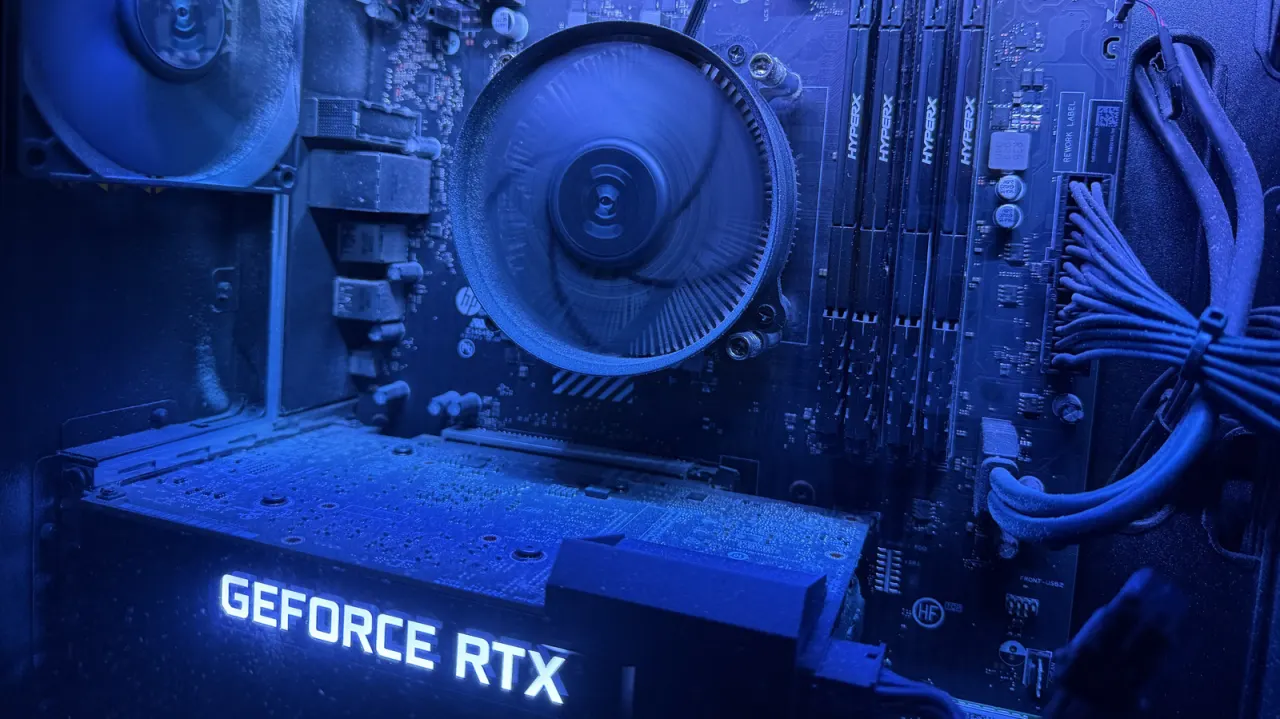
Consoles and gaming PCs use related AMD graphics technology, but organise it differently: consoles combine the CPU and GPU on one chip and share memory, while PCs usually have a separate graphics card and dedicated video memory. This affects upgrade options and how games use hardware, helping explain why performance comparisons between consoles and similarly specified PC cards can vary widely.
Microsoft’s Xbox Series X has 52 GPU compute units and 16GB of shared memory, of which 13.5GB is available to games; Valve’s Steam Machine instead has 16GB of system RAM and 8GB of graphics memory. Sony’s PS5 Pro uses a customised design with 67 per cent more compute units than the standard PS5, while retaining compatibility with its games. Tests cited in the article found an RX 6700 up to 44 per cent faster than a PS5 in Hitman 3, but the PS5 45 per cent faster in Cyberpunk 2077 with ray tracing.
In short
- Consoles combine CPU and GPU, while PCs usually keep them separate.
- Shared memory and custom designs can produce game-specific performance differences.
- Microsoft is bringing precompiled shaders to Windows with Advanced Shader Delivery.
Explained simply
Consoles and gaming PCs both use processors to run games, but their hardware is arranged differently. A console usually puts its main processor and graphics processor together and lets them draw on the same pool of memory; a PC commonly has a separate graphics card with its own memory.
That difference affects how games use a machine’s resources and how easily its parts can be replaced or upgraded. Console makers can tailor the hardware and software to work together, while PC components are built to work across a wider range of systems.
As a result, comparing graphics hardware by its specifications alone can be misleading. How well a game runs also depends on its design and on how it uses features such as ray tracing, which simulates how light reflects around a scene.
Read the full article at the source →
Originally published by Engadget as “Gaming PC GPUs vs. console GPUs: What’s the difference between them?”.