Science news and discussion on TalkFuse.
‘Mummy’s Curse’ warning as experts fear ancient remains could unleash deadly fungi worldwide
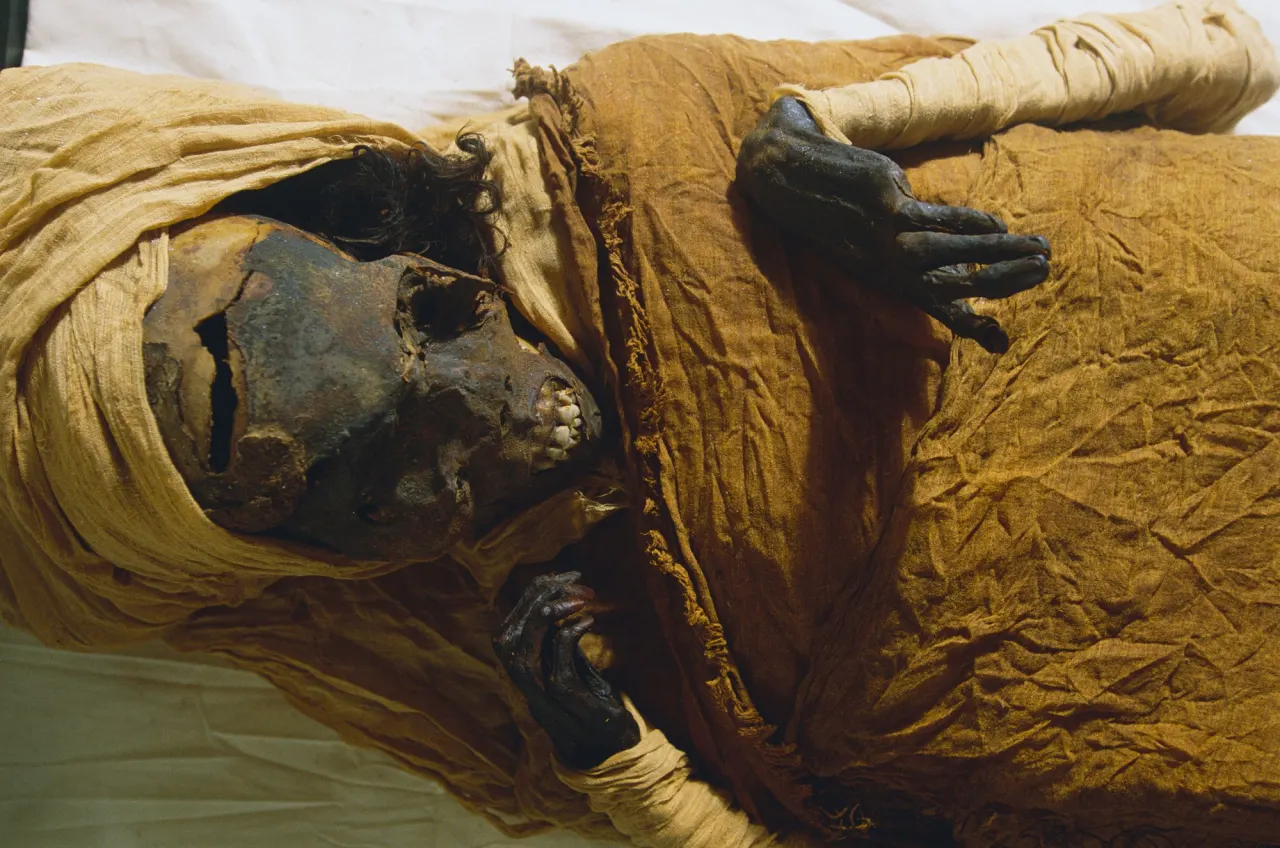
Scientists warn that the online trade in mummified human remains could spread hazardous fungi and bacteria, particularly when poorly stored items are handled or sent through ordinary post. The warning matters because couriers, customs staff and buyers may not know what they are carrying, and people with weakened immune systems could be especially vulnerable.
A study by University of Staffordshire researcher Kirsty Squires examined 128 online sale posts from 2015 to 2025, finding heads, hands and feet were commonly advertised and often showed signs of decay. Mould spores can be released as dried tissue crumbles; the article also cites a 1973 case in which 10 of 12 researchers died after exposure to Aspergillus spores in a Polish royal tomb. A UK bill to ban online sales of human remains was dropped, and buying, selling and owning remains remains legal in the UK if they were not illegally obtained.
In short
- Experts warn poorly stored mummies may carry harmful mould and bacteria.
- A study reviewed 128 online listings from 2015 to 2025.
- UK trade in human remains remains legal under stated conditions.
Steelman: both sides, in good faith
The strongest fair case each way — we don't pick a winner.
The case for
Those calling for tighter controls argue that decaying human remains can expose handlers and others to hazardous fungi or bacteria, while ordinary postage and online listings leave couriers, customs staff and buyers unaware of the risks. They see regulation as a proportionate way to protect public health and ensure respectful, traceable handling, especially given the possible danger to people with weakened immune systems.
The case against
Those wary of a broad ban could argue that the reported risk depends on the condition and handling of particular remains, and that a historic tomb exposure does not by itself establish how often online sales cause harm. They may favour targeted safety rules and enforcement against illicitly obtained remains, preserving lawful ownership and trade while avoiding restrictions that treat all items as equally dangerous.