Culture news and discussion on TalkFuse.
Move over Gen Z! When it comes to styling homes, Baby Boomers are the real trendsetters with their wooden furniture, trinket dishes and vintage vases all back in vogue
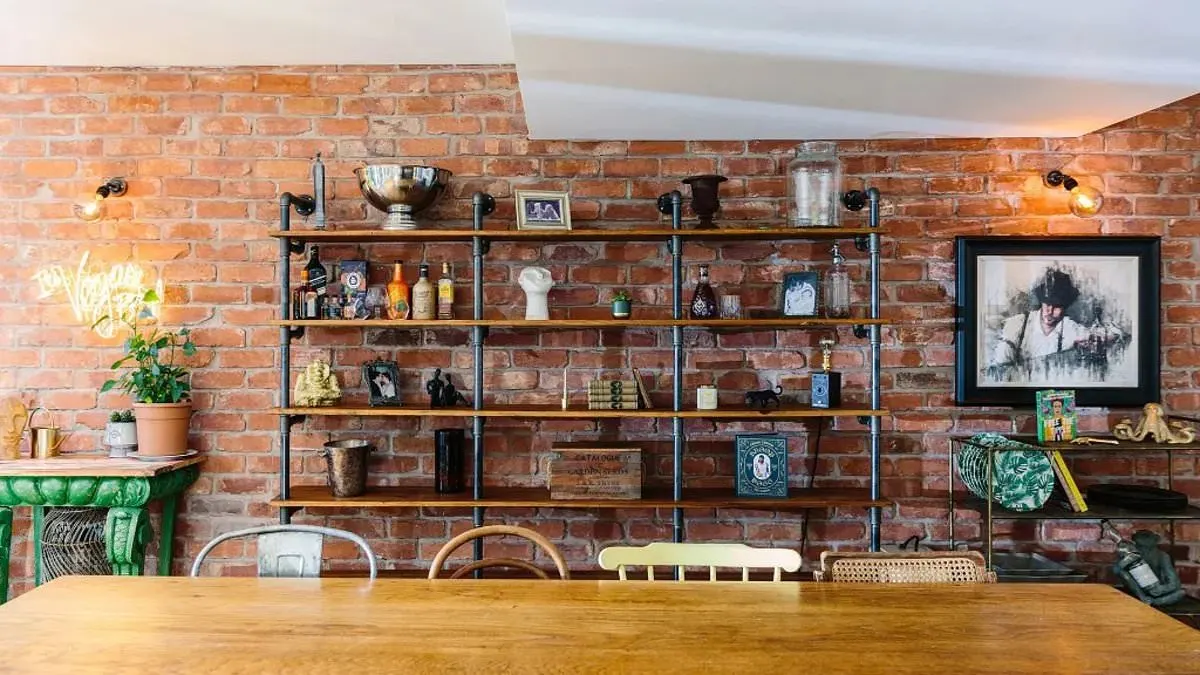
Baby Boomers are being cast as unlikely interior design trendsetters as younger people return to furnishings once considered old-fashioned. The shift reflects a move away from stark minimalism towards homes with warmth, character and personal history.
Designers say younger generations are again embracing dark wood, brass, patterned fabrics, vintage ceramics and decorative objects. My Bespoke Room, which developed 77 living rooms over the past year, found older clients more often wanted to keep treasured possessions and prioritise comfortable, durable furniture; their schemes commonly use warm neutrals, cream, soft blues and greens.
In short
- Baby Boomers’ long-kept furnishings are back in fashion.
- Younger people are moving beyond stark minimalism.
- Comfort, character and durability are central to the trend.
Steelman: both sides, in good faith
The strongest fair case each way — we don't pick a winner.
The case for
The renewed interest in dark wood, vintage ceramics and treasured possessions reflects a reasonable desire for homes with warmth, character and personal history. Keeping durable furniture and meaningful objects can also be more sustainable and make a home feel individual rather than shaped by passing fashions.
The case against
The trend may be less a Boomer-led change than a broader design cycle, with younger people adapting vintage styles to their own tastes. Nostalgia can also romanticise older interiors, while dark wood and decorative objects may feel cluttered or impractical to people who value lighter, simpler spaces.
Explained simply
Baby Boomers are people born in the post-war decades, while Gen Z refers to those born from the late 1990s onwards. Their homes and tastes have been shaped by different periods, but furniture and decorations often move in and out of fashion as styles change.
For years, many interiors favoured minimalism: simple shapes, pale colours and few decorative objects. Designers now describe renewed interest among younger people in wooden furniture, patterned fabrics and vintage pieces, which can give rooms a sense of warmth and history.
Some older clients have kept possessions with personal meaning and chosen comfortable, long-lasting furniture. The trend matters to the design industry because it shows how ideas about a stylish home can draw on different generations’ tastes and belongings.