World news and discussion on TalkFuse.
The Guardian view on Cop31: the green transition must not be derailed | Editorial
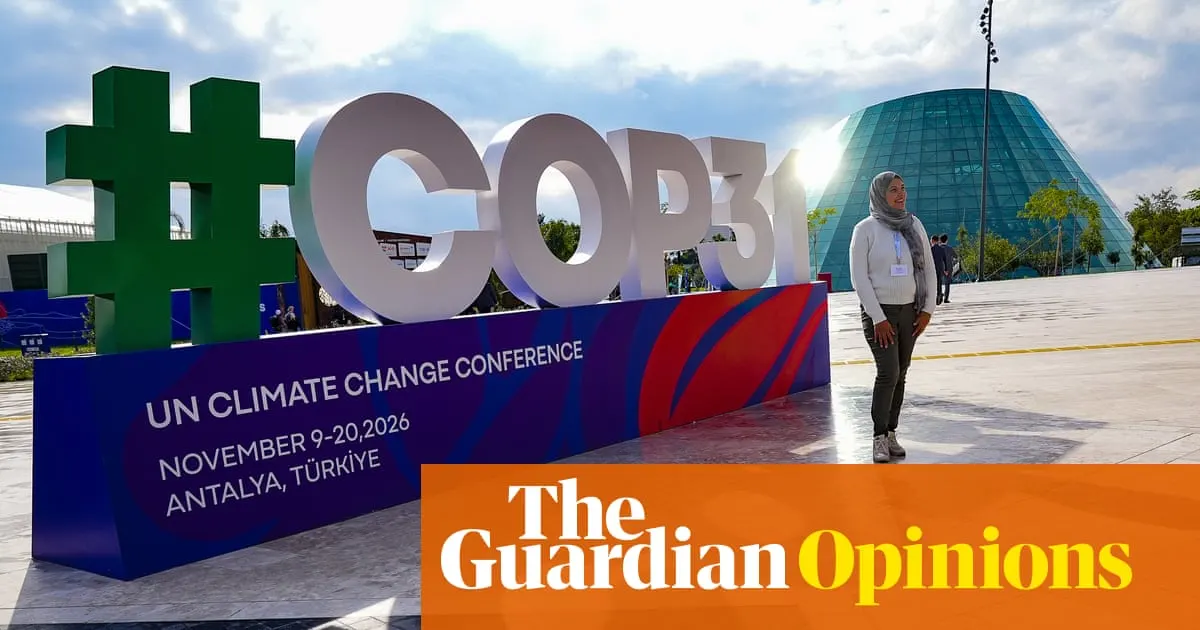
COP31 has gained some political breathing space after Lula da Silva’s re-election in Brazil and Democratic gains in the US midterms, which may weaken opposition to climate action. The editorial argues that the danger from global heating remains urgent and that governments must keep shifting away from fossil fuels.
The article says current projections point to 2.7C of warming by the end of the century, well above the Paris agreement’s 1.5C target. It highlights a proposed goal for electricity to provide 35% of global energy by 2035, calls for protection of climate science and faster climate finance for poorer countries, and urges the UK to weigh the carbon costs of the Rosebank oil and gas field.
In short
- Political shifts have eased pressure on COP31, but climate risks remain high.
- Global warming is projected to reach 2.7C this century.
- The editorial urges faster electrification and a move away from fossil fuels.
Steelman: both sides, in good faith
The strongest fair case each way — we don't pick a winner.
The case for
Governments should sustain and accelerate the shift from fossil fuels because projected warming remains far above the Paris goal, bringing serious risks for people and ecosystems. Expanding clean electricity, protecting climate science and delivering finance to poorer countries could cut emissions while helping communities prepare; approving new oil and gas development may lock in further emissions.
The case against
Climate targets should be pursued at a pace that protects energy security, affordability and reliable supplies, especially while clean alternatives and infrastructure are still being built. Governments may argue that domestic production, including fields such as Rosebank, can meet near-term demand and support jobs, while climate finance and ambitious international pledges need credible funding and practical plans. Policy should account for the costs of a rapid transition as well as the harms of continued warming.
Explained simply
COP is the United Nations’ annual climate summit, where governments discuss how to limit global warming and support countries facing its effects. The Paris agreement commits countries to try to keep warming to 1.5C above pre-industrial levels, but current projections suggest the world could warm by about 2.7C by the end of the century.
Key issues include replacing fossil fuels with cleaner energy, protecting climate research and providing finance to poorer countries. A proposed target would make electricity supply 35% of global energy by 2035; the UK’s Rosebank oil and gas field is also part of the debate over future emissions.
Americas Business Climate Geopolitics Politics Science Space Technology World