World news and discussion on TalkFuse.
Trump’s Hormuz squeeze has Iran strangled — now slam its back door, too
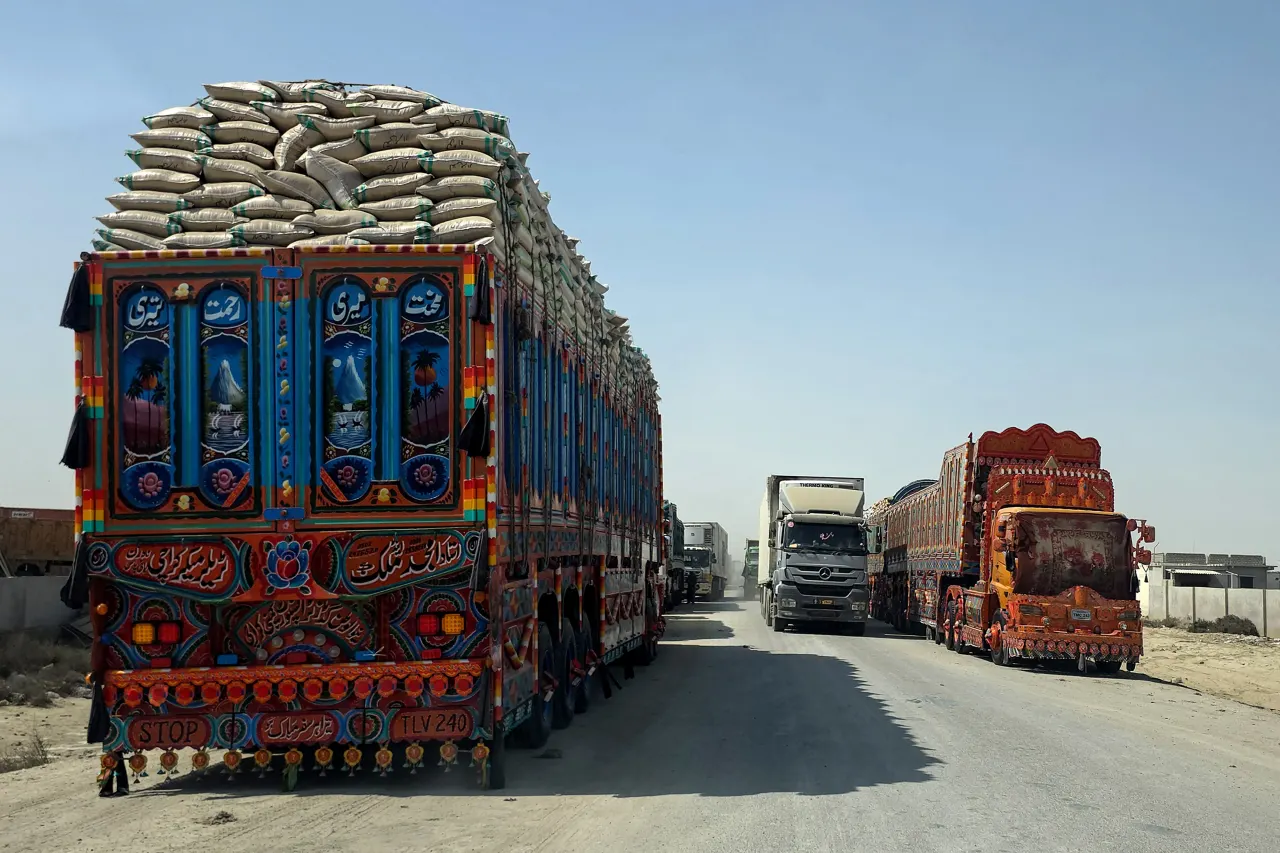
President Donald Trump says the United States has secured the Strait of Hormuz and cut off Iran’s oil exports, but an opinion article argues that goods can still reach Iran overland. It urges Washington to restrict those land routes, saying they help the Iranian government obtain military supplies and prolong the conflict.
The article says Iran’s southern sea routes once carried up to 80% of its trade, while at least $2 billion in military supplies has arrived since January 2025, partly by truck from Central Asia. It cites an estimate that one cargo ship carries as much as 2,500 trucks and says a new US Central Command task force is targeting weapons, sanctioned goods and illicit cash crossing land borders and the Caspian Sea. The author proposes intelligence sharing and military cooperation with neighbouring countries, and making US support conditional on their enforcement efforts; Iraq has refused a request to close most crossings, while Pakistan has closed them intermittently.
In short
- Iran’s oil exports by sea have been halted, according to the article.
- Overland routes remain a channel for trade and military supplies.
- The author urges neighbours to help restrict those routes.
Steelman: both sides, in good faith
The strongest fair case each way — we don't pick a winner.
The case for
Supporters of tightening Iran’s land routes argue that restricting them could close a major gap in sanctions and reduce the flow of military supplies and illicit funds that help Tehran sustain the conflict. They would see intelligence sharing and cooperation with neighbouring states, backed by conditions on US support, as practical ways to increase pressure while limiting Iran’s ability to replace disrupted sea trade.
The case against
Critics would argue that closing land crossings could impose serious costs on neighbouring countries and civilians, disrupt essential commerce, and risk widening the conflict without reliably stopping military supplies. Making US support conditional on enforcement could also strain relations with governments that have their own security and economic interests, while pushing trade into less visible routes rather than ending it.
Explained simply
The Strait of Hormuz is a narrow sea passage between Iran and the Arabian Peninsula, used by ships carrying oil and other goods. Iran also has land borders with several countries, including Iraq, Pakistan and states in Central Asia, so trade can move by road as well as by sea.
The United States and Iran are the main parties in the dispute described here. The article focuses on whether goods crossing Iran’s land borders could include military supplies, and on what role neighbouring governments should play in controlling those routes.
The issue matters because restrictions on trade can affect Iran’s access to supplies and revenue, while enforcement measures may affect neighbouring countries’ trade and relations with Washington. The article argues for tighter controls on land routes; its proposals and claims are presented as the author’s view.