Politics news and discussion on TalkFuse.
Trump’s White House Counsel Draws Line Against Dems’ Potential Abuse Of Oversight Power After Congress Flips Blue
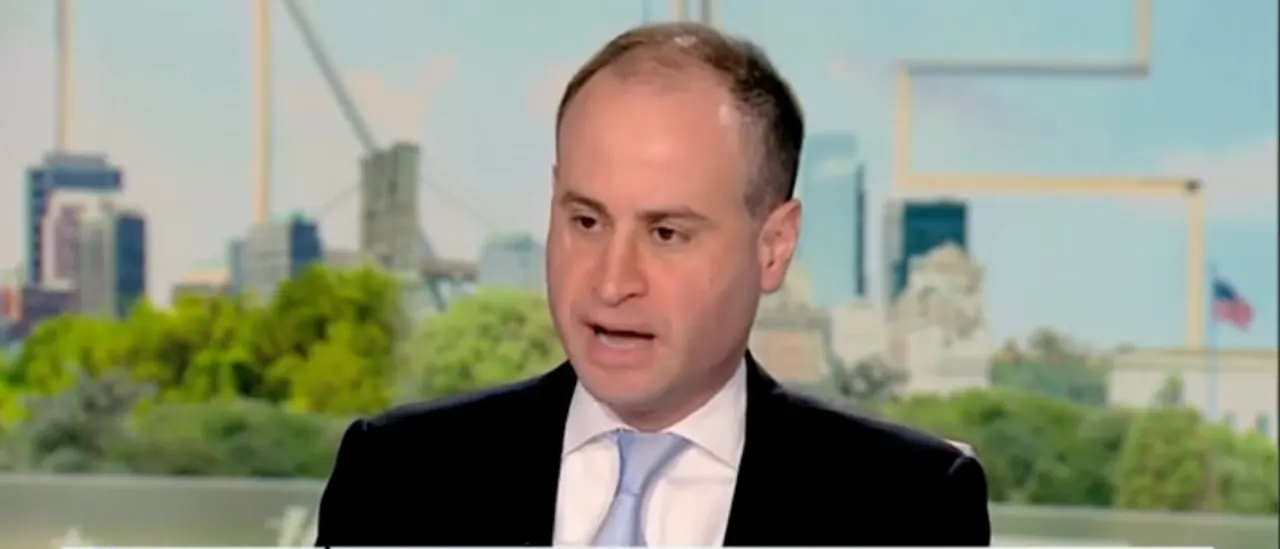
White House Counsel Will Scharf says threatened Democratic investigations of the Trump administration could be unconstitutional if they lack a legitimate legislative purpose. His comments follow Democrats’ projected House gains in the 2026 midterm elections, which would give them greater subpoena and oversight powers, and a dispute with Representative Robert Garcia, who may lead the House Oversight Committee.
Garcia says he intends to investigate corruption and other matters and will not be intimidated by the White House. Scharf points to Garcia’s remarks about acting out of “pettiness” and telling officials to “lawyer up”, arguing that oversight cannot be used to threaten people or for self-aggrandisement. He says his office and the Justice Department would respond to such actions, though the article does not detail a specific legal case.
In short
- Scharf says oversight must serve a legitimate legislative purpose.
- Garcia says Democrats will investigate and will not be intimidated.
- The dispute may test the limits of congressional oversight.
Steelman: both sides, in good faith
The strongest fair case each way — we don't pick a winner.
The case for
A Democratic-led House has a constitutional duty to scrutinise the executive, and broad oversight can expose corruption, mismanagement or abuses that might otherwise go unchecked. Garcia can argue that forceful public language does not by itself invalidate an investigation, provided inquiries are pursued in good faith and serve legitimate legislative purposes.
The case against
The White House can argue that congressional investigations must serve a genuine legislative purpose and cannot properly be used to intimidate officials, settle personal scores or generate publicity. Scharf’s position reflects the concern that oversight powers, including subpoenas, need legal limits to protect individuals and preserve the separation of powers.
Explained simply
Congress oversees the executive branch, which includes the president and federal agencies. House committees can investigate how the government works and issue subpoenas requiring people to provide documents or testimony, but Congress’s investigative powers are tied to its role in making laws.
The White House Counsel advises the president and White House on legal matters. The House Oversight Committee examines the conduct of government officials and programmes; Representative Robert Garcia is a Democrat who may lead it. Disputes over investigations can raise questions about how Congress’s oversight powers interact with the administration’s authority and legal rights.