World news and discussion on TalkFuse.
Canada could work with Chinese automakers if US trade talks fail, says Carney
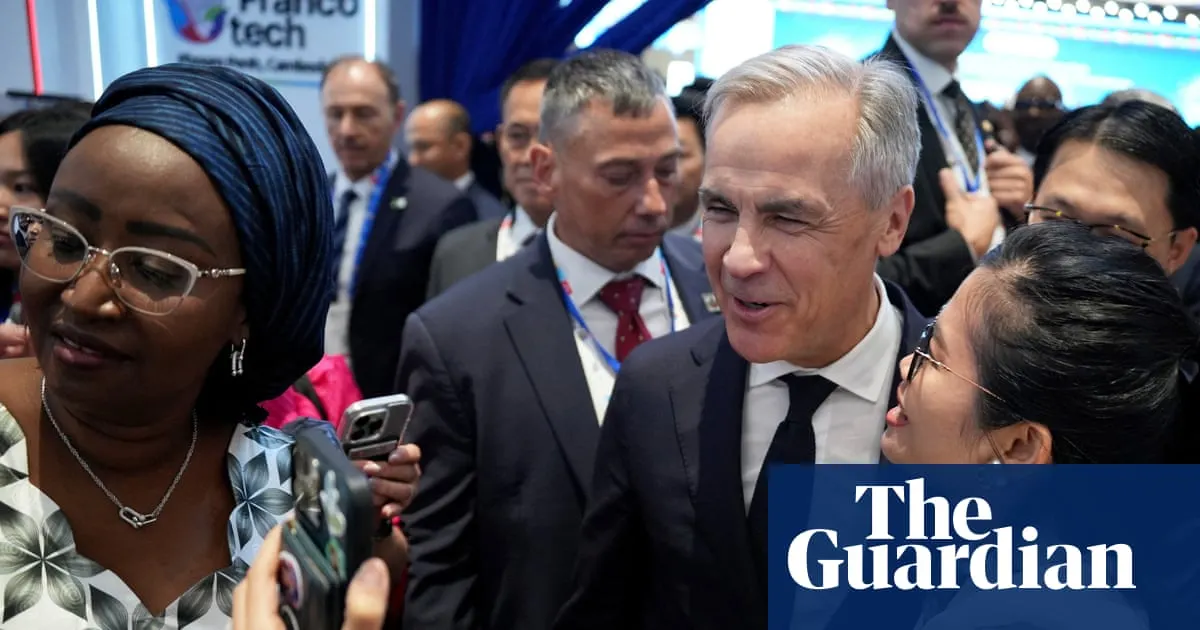
Mark Carney said Canada could seek partnerships with Chinese, European or Japanese automakers if negotiations with the US fail to protect an integrated North American car industry. He said talks with Washington remain the priority, but Canada would pursue other options to keep its auto workers and factories in use.
Any Chinese investment, Carney said, would need to include substantial manufacturing in Canada, good labour standards and supply chains that grow to use Canadian critical minerals. A January agreement cut Canada’s tariff on Chinese electric vehicles from 100% to 6.1%, initially allowing up to 49,000 vehicles a year, while China lowered tariffs on Canadian agricultural goods. The deal has drawn criticism from Ontario Premier Doug Ford, and US tariffs and production shifts have disrupted Canada’s cross-border auto sector.
In short
- Canada may seek other automaker partners if US talks fail.
- Carney says investment must include real manufacturing in Canada.
- A deal allows up to 49,000 Chinese EVs initially at a 6.1% tariff.
Steelman: both sides, in good faith
The strongest fair case each way — we don't pick a winner.
The case for
If US talks fail to protect an integrated North American car industry, partnerships with other automakers could help keep Canadian factories operating and workers employed. Requiring substantial local manufacturing, good labour standards and greater use of Canadian critical minerals could also attract investment while building domestic capacity.
The case against
Closer ties with Chinese automakers could complicate trade relations with the United States, on which Canada’s deeply integrated auto sector relies, and risk further disruption if cross-border trade faces new barriers. Critics may also question whether the proposed investment would deliver lasting jobs and supply-chain benefits, even with conditions requiring local production.
Explained simply
Canada’s car industry is closely linked with the United States: parts and vehicles cross the border as factories supply the wider North American market. US tariffs and changes in where cars are made have put pressure on Canadian plants and jobs, making trade talks with Washington important to the sector.
Mark Carney is Canada’s prime minister, and Doug Ford leads Ontario, a province with a major role in car manufacturing. Canada has also agreed to lower its tariff on Chinese electric vehicles, while China has reduced tariffs on some Canadian farm goods. Carney has said any new investment would need to include production in Canada, meet labour standards and use more Canadian critical minerals.
Americas Asia Geopolitics Government Politics World