Entertainment news and discussion on TalkFuse.
7 Most Politically Subversive Movies of All Time, Ranked
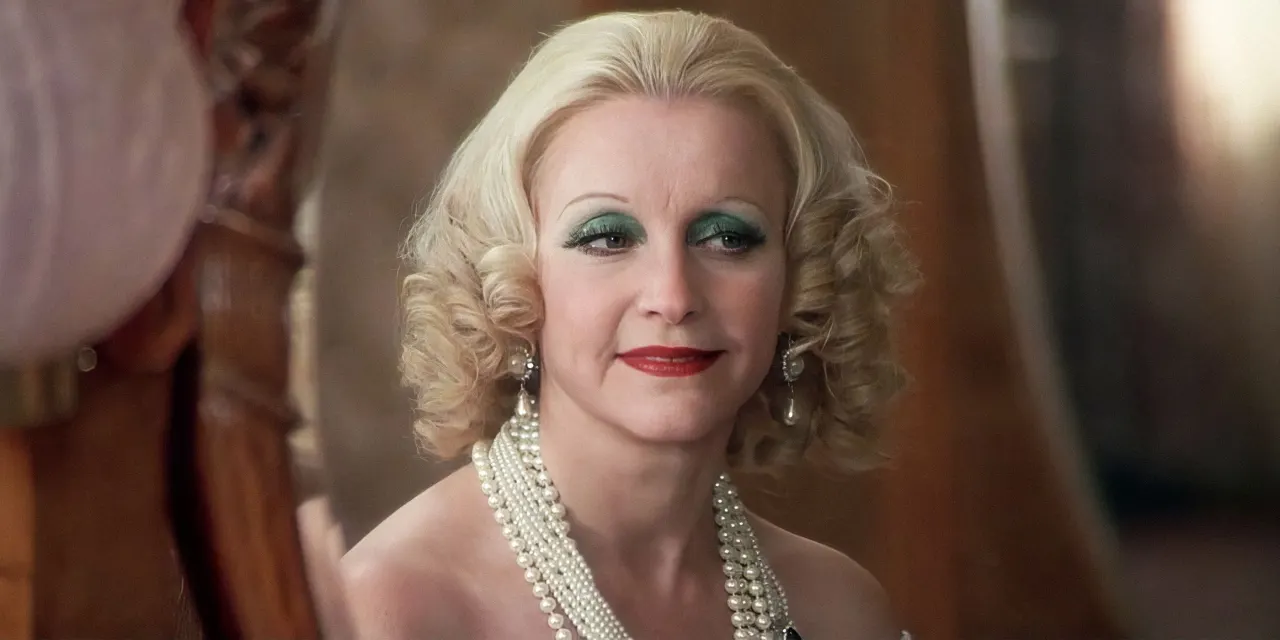
The article ranks seven films that challenge political power, dominant ideologies and social norms, arguing that cinema can be subversive by questioning the systems it might otherwise reinforce. Its examples show how films can make political criticism through satire, propaganda, anti-war drama and controversial religious imagery.
Among the films discussed, Ken Russell’s *The Devils* uses the true story of Urbain Grandier to criticise centralised power and injustice; Charlie Chaplin’s *The Great Dictator* mocked Hitler and Mussolini before the United States entered the Second World War. Sergei Eisenstein’s *Battleship Potemkin*, made on commission to mark the 1905 revolution, also challenged capitalist social order, while Stanley Kubrick’s *Paths of Glory* condemned military injustice and was barred from screening in France until 1972.
In short
- The ranking spotlights films that challenge political power.
- *The Great Dictator* mocked fascist leaders before US entry into the war.
- *Paths of Glory* was not screened in France until 1972.
Explained simply
Political films use stories, images and humour to question who holds power and how society is organised. They can take different forms, from satire and anti-war drama to films made to promote a political cause, and their meaning can be disputed.
The examples span very different periods and contexts. Charlie Chaplin mocked Hitler and Mussolini in The Great Dictator before the United States entered the Second World War; Sergei Eisenstein made Battleship Potemkin to mark the 1905 Russian revolution; and Stanley Kubrick’s Paths of Glory focused on injustice in the military.
Ken Russell’s The Devils drew on the case of Urbain Grandier to examine authority and injustice. The films also show how political criticism can meet resistance: Paths of Glory was not screened in France until 1972.