World news and discussion on TalkFuse.
Fuel depot in Azov, Russia reportedly in flames following Ukrainian drone attacks
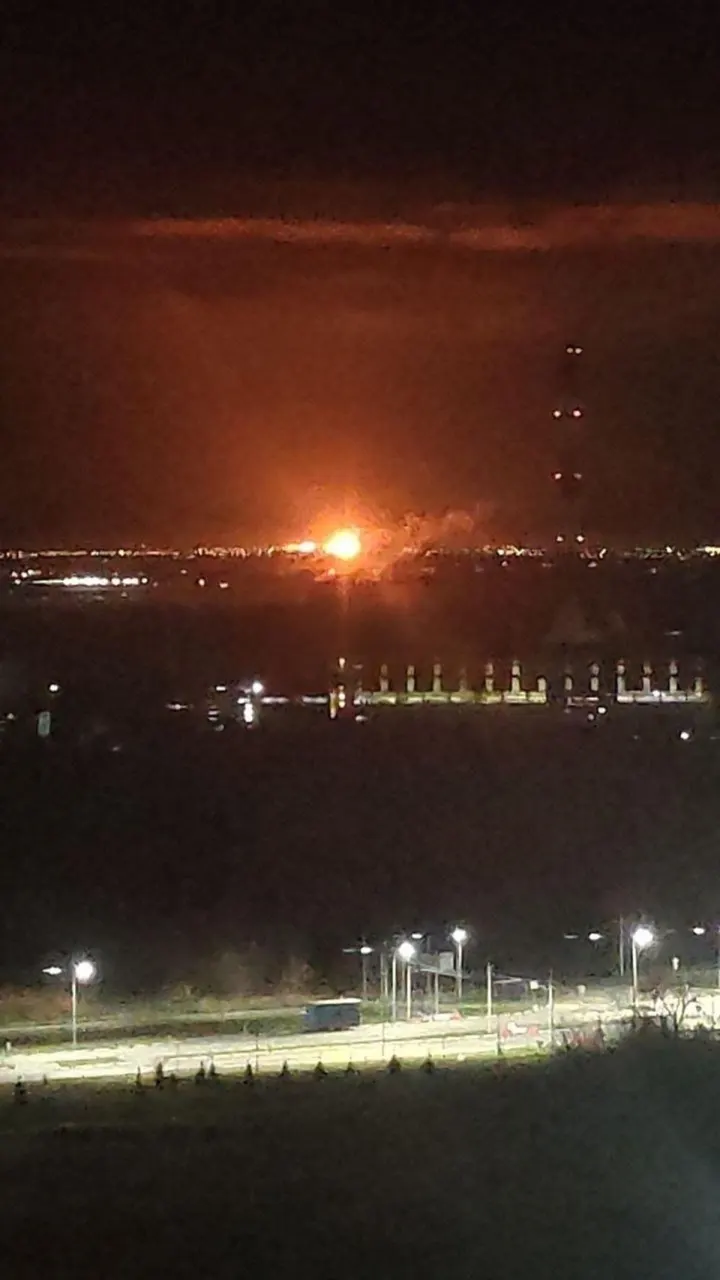
An overnight Ukrainian drone attack reportedly set oil-related facilities in Azov, in Russia’s Rostov Oblast, on fire. The reported strike is part of Ukraine’s campaign against Russian energy infrastructure, which Kyiv says supports Moscow’s military, and follows Russian attacks that have disrupted power and water supplies in Ukraine.
Monitoring channels placed the fire at about 4am local time on 16 November, roughly 142 kilometres from the Ukrainian border. Rostov Governor Yuri Slyusar said four industrial facilities caught fire; Russian outlet Astra reported fires near two adjacent sites, including an oil depot storing petroleum products. The damage and targets had not been independently verified, while President Volodymyr Zelensky has said Ukrainian strikes have neutralised 55% of Russia’s oil-refining capacity.
In short
- Ukrainian drones reportedly sparked fires at industrial sites in Azov.
- Russia’s governor said four facilities caught fire.
- The reported damage and targets remain unverified.
Steelman: both sides, in good faith
The strongest fair case each way — we don't pick a winner.
The case for
Ukraine can argue that striking facilities supporting Russia’s energy revenues and military logistics is a legitimate way to weaken its capacity to wage war, particularly while Russian attacks are disrupting essential services in Ukraine. If the targets were military-linked and civilian risks were proportionate, such strikes could be seen as a defensible part of Ukraine’s self-defence.
The case against
Critics can argue that attacks on oil facilities risk fires, pollution and harm to nearby civilians, while damaging infrastructure with broader economic and civilian uses. They may also question the proportionality and strategic value of strikes whose targets and effects have not been independently verified, and warn that reciprocal attacks can deepen civilian hardship on both sides.
Explained simply
Azov is a port city in Russia’s Rostov region, near the Sea of Azov and around 142 kilometres from Ukraine. The region has oil and fuel facilities that store and handle petroleum products.
Ukraine has targeted Russian energy infrastructure during the war, saying it helps sustain Moscow’s military. Russia has also attacked infrastructure in Ukraine, disrupting services including electricity and water.
The two countries’ leaders are Russian President Vladimir Putin and Ukrainian President Volodymyr Zelensky. Strikes on fuel sites can affect supplies and industrial operations, but reports about damage and the sites hit may be difficult to verify independently.
Europe Russia-Ukraine War World