Politics news and discussion on TalkFuse.
Taking Credit
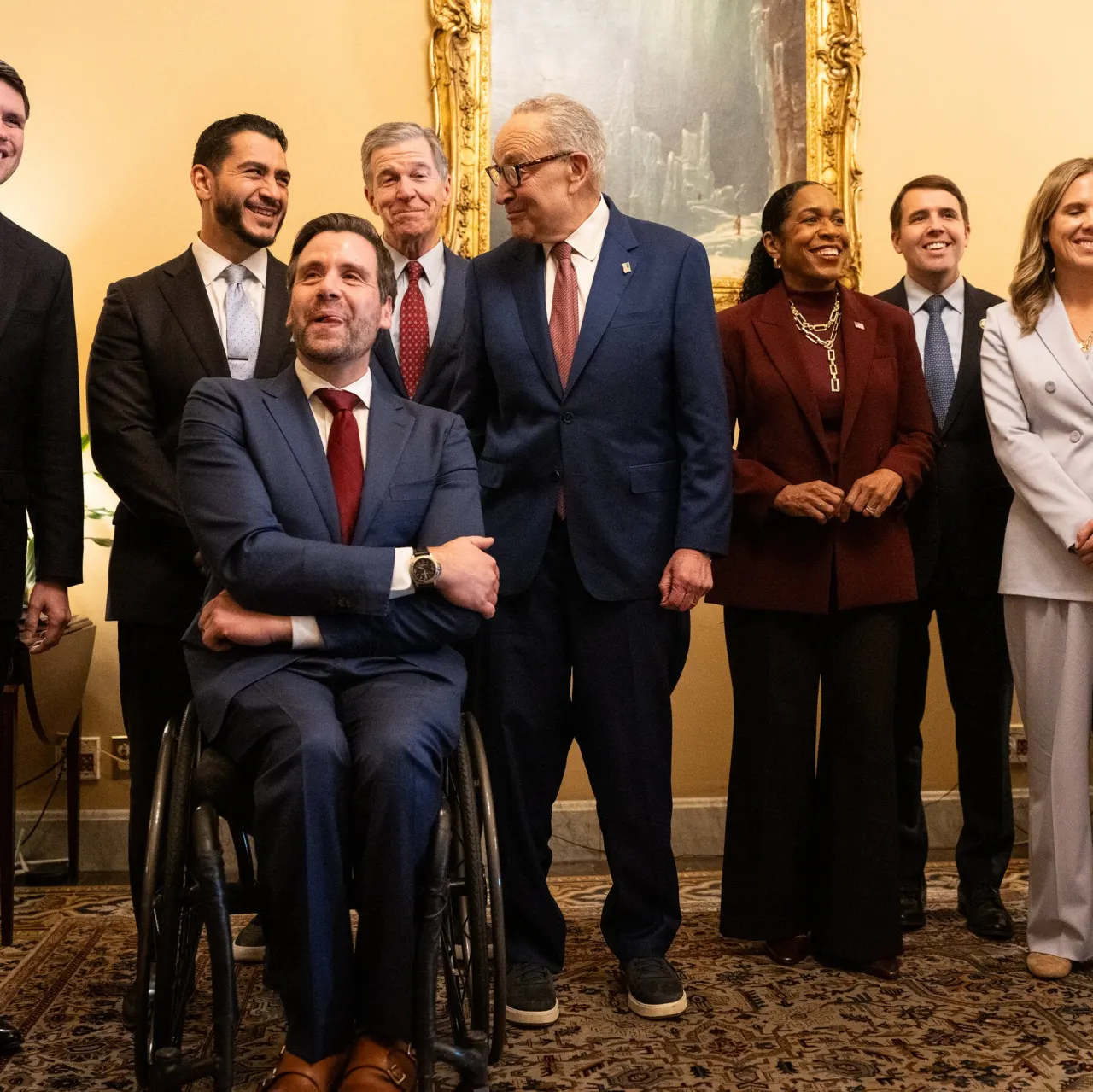
Democrats won control of Congress and most governorships in this month’s midterms, but the victory has revived debate over which wing of the party deserves credit. Moderates and progressives both say the party’s broad coalition helped it win, while arguing that their own candidates and ideas supplied the momentum.
Moderate candidates won in traditionally Republican states with positions that departed from recent Democratic orthodoxy, including on immigration, energy, crime and transgender issues. Progressive candidates also succeeded in competitive states, despite concerns from party leaders, with campaigns centred on policies such as Medicare for All and ending aid to Israel. Both groups emphasised affordability and economic populism, making it difficult to separate the effects of ideology from candidate appeal and campaign quality.
In short
- Democrats’ midterm wins have reignited debate over which faction drove their success.
- Moderates flipped traditionally Republican seats with locally tailored campaigns.
- Progressives also won competitive races, while both wings stressed affordability.
Steelman: both sides, in good faith
The strongest fair case each way — we don't pick a winner.
The case for
Moderates can argue that winning in traditionally Republican states required candidates to address local concerns and avoid positions that voters viewed as too far from the mainstream. Their departures from recent party orthodoxy on issues such as immigration, energy and crime may have broadened the coalition and helped Democrats gain seats.
The case against
Progressives can argue that their success in competitive states shows the party should not credit moderation alone: candidates who backed ambitious policies such as Medicare for All also helped drive turnout and expand the party’s appeal. Their focus on affordability and economic populism may have supplied momentum that cautious campaigns would have lacked.