World news and discussion on TalkFuse.
EU accuses Russia of stalling Ukraine peace talks to target power plants as winter nears
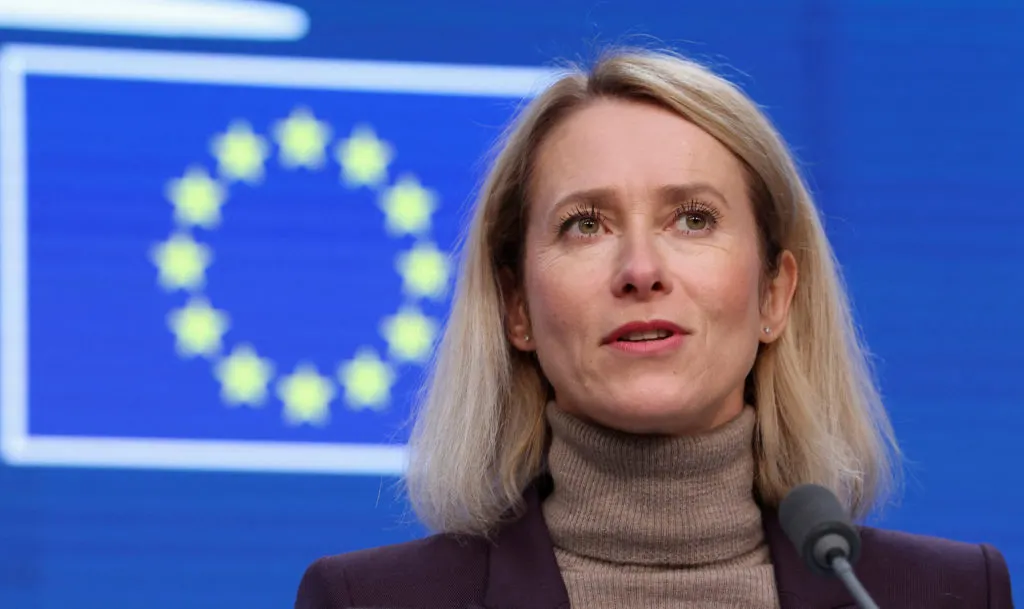
EU foreign ministers accused Russia of prolonging peace talks while intensifying attacks on Ukraine’s power plants and other infrastructure as winter approaches. They said the priority should be a ceasefire followed by a lasting peace agreement, and argued that Russia, as the aggressor, must stop making demands of Ukraine and its supporters.
The EU also imposed sanctions on nearly 50 Russian banks and financial institutions, as well as people linked to the energy trade and alleged pro-Russian disinformation. European officials rejected a proposed new European security framework, warning it could weaken NATO and saying existing agreements should be respected. Talks brokered by US negotiators have produced no lasting ceasefire; territory and future security arrangements remain major disputes, while prisoner exchanges have been the only tangible progress.
In short
- EU accuses Russia of stalling peace talks while attacking Ukrainian infrastructure.
- Nearly 50 Russian banks and financial institutions face new sanctions.
- European officials reject a proposed security framework and call for a ceasefire.
Steelman: both sides, in good faith
The strongest fair case each way — we don't pick a winner.
The case for
The EU’s position is that a ceasefire should come before negotiations over a lasting settlement, because continued attacks on power and other infrastructure put civilians at risk as winter approaches. From this view, sanctions and support for Ukraine are ways to press Russia to stop the attacks and negotiate without rewarding the use of force to obtain territory or concessions.
The case against
A reasonable counterargument is that insisting on a ceasefire first, alongside sanctions and a security framework tied to existing agreements, may leave little room to address Russia’s stated security concerns or the territorial dispute that has stalled negotiations. Advocates of exploring a different European security framework could argue that diplomacy needs room for new arrangements and that pressure alone may prolong the conflict rather than secure a durable settlement.
Explained simply
Russia launched its full-scale invasion of Ukraine in 2022, and the two countries remain at war. Russia’s attacks have damaged energy infrastructure, which supplies electricity and heat; damage can leave people without power, especially during cold weather.
The European Union is a political and economic bloc whose member countries coordinate foreign policy and sanctions. NATO is a separate military alliance that includes many EU countries and the United States. Ukraine is not a NATO member, and its future security arrangements are among the issues disputed in efforts to end the war.
The United States has helped broker talks between Russia and Ukraine, but disagreements over territory and security have obstructed a lasting ceasefire. Prisoner exchanges have taken place, while sanctions are one way the EU seeks to restrict Russia’s access to money and trade.
Europe Politics Russia-Ukraine War World