Entertainment news and discussion on TalkFuse.
20 Years Later, the Wii Remains Nintendo’s Most Important Console
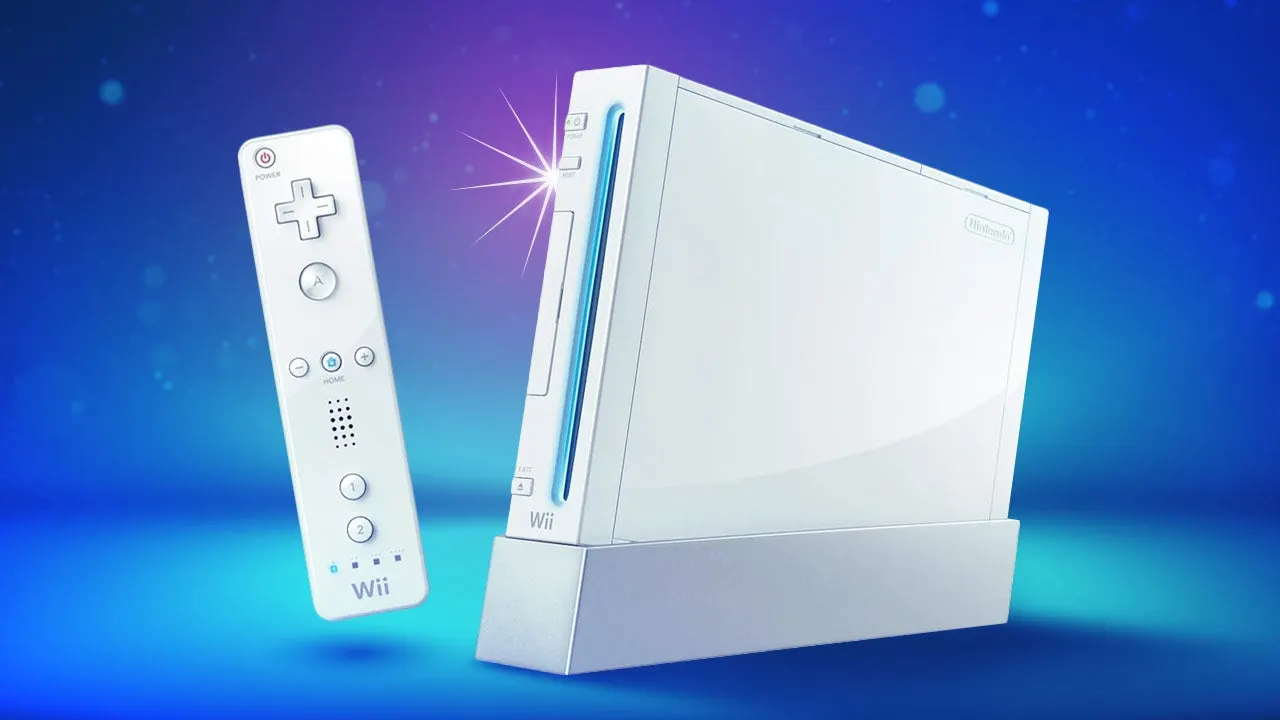
Ryan Gaur argues that Nintendo’s Wii was the company’s most important console because it changed the audience Nintendo designed for. Rather than compete with Sony and Microsoft on processing power and realistic graphics, Nintendo made motion controlled games accessible to people who had never used a games console.
The Wii outsold both the PlayStation 3 and Xbox 360 by several million units, despite its standard definition graphics and less powerful hardware. The article says that focus on accessible, playful experiences helped shape Nintendo’s approach over the following two decades, including the Switch and Switch 2, while lower hardware costs also helped keep its consoles cheaper than rivals.
In short
- The Wii helped Nintendo reach people beyond traditional gaming audiences.
- Nintendo chose accessible play over high end graphics.
- The article links that strategy to later Switch success.
Steelman: both sides, in good faith
The strongest fair case each way — we don't pick a winner.
The case for
The Wii was Nintendo’s most important console because it expanded gaming beyond its traditional audience, showing that simple, motion-controlled play could bring newcomers and families into the medium. Its commercial success and influence on later Nintendo consoles suggest that this shift in design priorities mattered more to the company’s direction than competing on graphics or processing power.
The case against
The Wii’s success does not necessarily make it Nintendo’s most important console: sales and accessibility are only some measures of a console’s historical importance. Other systems may have had a greater lasting effect on Nintendo’s games, technology, or business, and the article’s link between the Wii and later consoles does not by itself establish that the Wii was decisive in shaping them.
Explained simply
Nintendo is a Japanese company best known for making video games and consoles, including Mario and Zelda. In the 2000s, it competed with Sony’s PlayStation 3 and Microsoft’s Xbox 360, which emphasised powerful hardware and detailed graphics.
The Wii took a different approach: its controller detected movement, letting players steer games with gestures such as swinging an arm. This helped make console games familiar to a wider range of people, including those who had not played before.
The Wii’s success influenced Nintendo’s later consoles, which have continued to focus on distinctive ways to play. Its less powerful hardware also cost less to produce, helping Nintendo offer consoles at lower prices than its rivals.