World news and discussion on TalkFuse.
France, UK to hold conference in December on fight against Russia’s shadow fleet
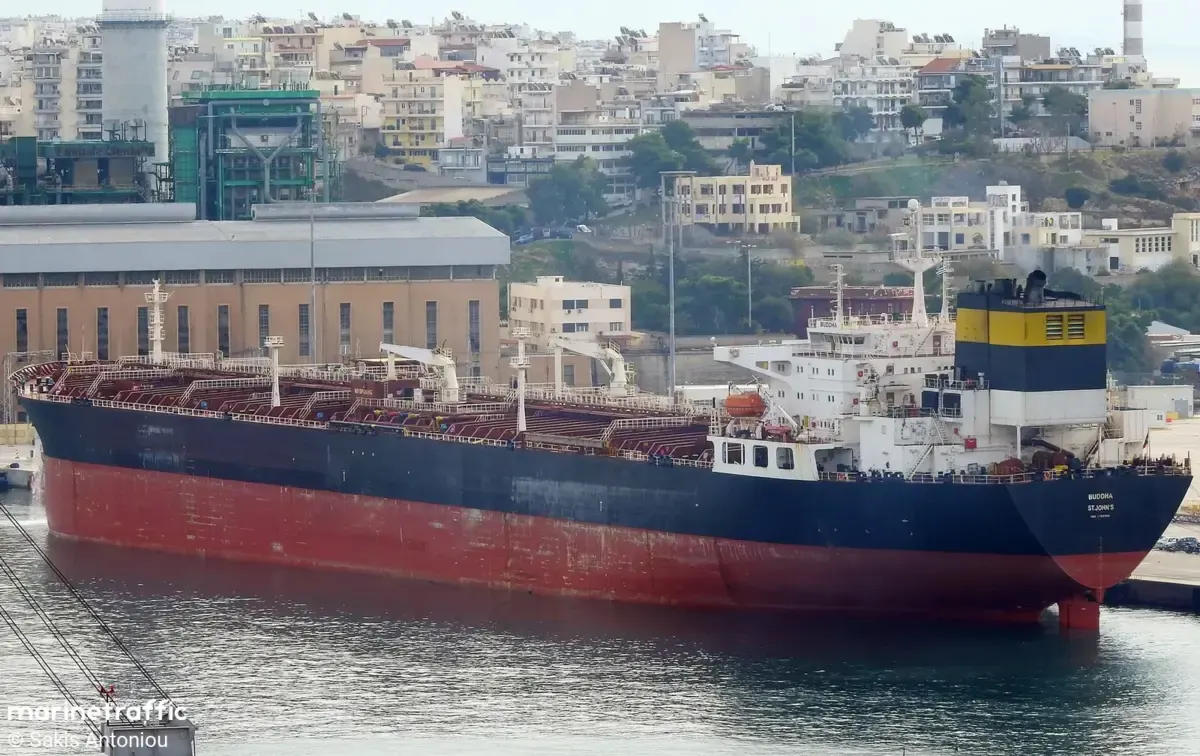
France and the United Kingdom will hold a conference in Paris on 4 December to discuss ways to tackle vessels in Russia’s shadow fleet. French Foreign Minister Jean-Noël Barrot said the meeting follows new EU sanctions and a series of interceptions, as European governments seek to disrupt a network used to keep Russian oil exports moving and help finance the war against Ukraine.
The EU has added 113 sanctions listings targeting Russian businesses, banks and vessels, as well as oil buyers in China, the United Arab Emirates, the Seychelles and Oman. Recent incidents include European naval forces boarding a suspected shadow fleet tanker in the Mediterranean on 13 November, a French interception on 12 October and the UK’s interception of a suspected Russian spy ship in early November. Ukraine’s government register identified 1,404 vessels as part of the shadow fleet as of May 2026.
In short
- France and the UK will discuss action against Russia’s shadow fleet on 4 December.
- The EU has added 113 listings in its latest sanctions wave.
- Ukraine’s register counted 1,404 shadow fleet vessels by May 2026.
Steelman: both sides, in good faith
The strongest fair case each way — we don't pick a winner.
The case for
Supporters argue that coordinated action against the shadow fleet can enforce sanctions, reduce revenue helping Russia sustain its war against Ukraine, and make shipping practices more transparent. They see vessel interceptions and international cooperation as justified when ships are suspected of evading restrictions, provided action follows applicable law and safeguards maritime security.
The case against
Critics argue that disrupting these vessels risks escalating tensions with Russia and creating dangerous precedents for stopping ships in international waters. They also caution that sanctions and interceptions can disrupt energy markets, affect countries and businesses beyond Russia, and should be backed by clear evidence and legal authority to avoid arbitrary enforcement.
Explained simply
Russia’s shadow fleet is a loose network of tankers used to carry Russian oil, often through complex ownership arrangements and with limited transparency about their movements. Such ships can make it harder to enforce restrictions on Russian oil exports imposed after Russia’s full-scale invasion of Ukraine.
The European Union, France and the United Kingdom have introduced sanctions and carried out maritime interceptions as part of efforts to enforce those restrictions. The measures can affect ship operators, companies that help transport or insure cargoes, and buyers of Russian oil.
The issue matters because oil exports are an important source of income for the Russian state. Efforts to restrict the trade also raise questions about how governments enforce sanctions at sea and manage the risks of stopping vessels.
Europe Geopolitics Politics UK World