World news and discussion on TalkFuse.
Fed’s Warsh says emerging technologies to have ‘significant impact,’ but there are risks
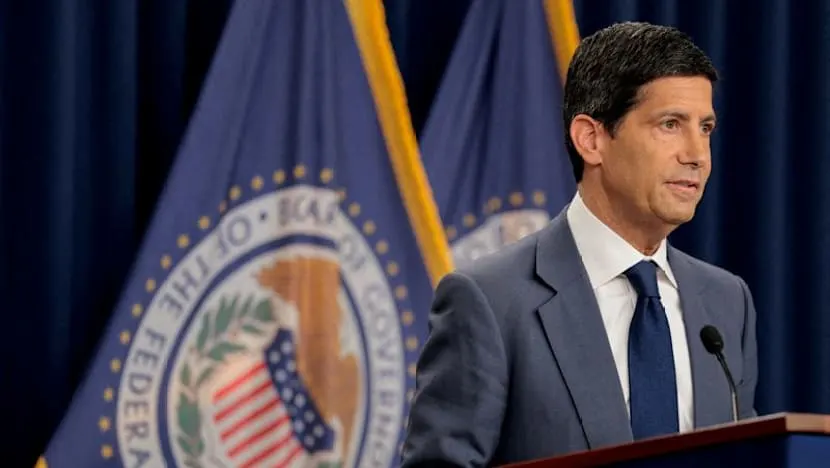
Federal Reserve Chairman Kevin Warsh said emerging technologies, particularly artificial intelligence, could significantly reshape the US economy and influence future monetary policy. He outlined outcomes ranging from stronger productivity and broadly shared gains to job losses and economic disruption, saying the Fed should prepare without advocating for or opposing the technology.
Speaking at an invitation-only conference in San Francisco, Warsh described AI as a possible force for accelerating idea generation, while noting that the scale, reach and timing of its effects remain uncertain. Participants also discussed whether rapid US adoption could help the economy outpace others, and whether reliance on AI could weaken students’ learning; they raised concerns about misuse by bad actors.
In short
- Warsh says AI could reshape the economy and monetary policy.
- Productivity gains could be widely shared, but jobs may be lost.
- The Fed is examining uncertain effects and risks.
Steelman: both sides, in good faith
The strongest fair case each way — we don't pick a winner.
The case for
AI could raise productivity by helping people generate ideas and complete work more efficiently, supporting economic growth and potentially spreading gains across the economy. If adoption helps the US innovate faster than other countries, it could strengthen its competitive position; preparing for these changes may help policymakers respond as their effects on jobs and prices emerge.
The case against
Rapid AI adoption could displace workers and disrupt livelihoods, while its benefits may not be broadly shared. Heavy reliance on the technology could also weaken students’ learning, and misuse by bad actors poses further risks; with the timing and scale of these effects uncertain, policymakers have reason to take a cautious, measured approach.
Explained simply
The Federal Reserve is the US central bank. It sets interest rates and takes other steps to support stable prices and employment, decisions that can affect borrowing, spending and hiring across the country.
Kevin Warsh leads the Fed, which must assess how changes in the economy may affect its decisions. Artificial intelligence is technology that can perform tasks such as analysing information or generating text; its use is spreading across workplaces, schools and other parts of daily life.
If AI helps workers and businesses produce more, it could change economic growth and the way the Fed judges conditions. Its effects could also include disrupted work or misuse, and their scale and timing remain uncertain.