Politics news and discussion on TalkFuse.
Judge Reveals New Trial Date For Lindsay Clancy Case
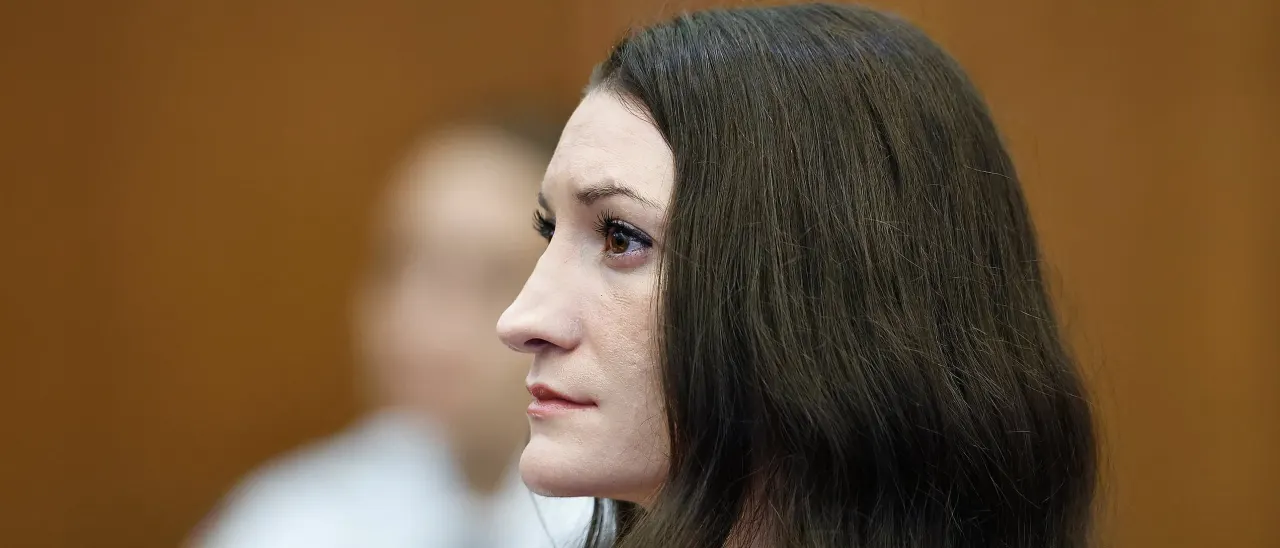
Judge William Sullivan has set Lindsay Clancy’s retrial for 29 March 2027, after her first trial ended without a verdict. The date sets a timetable for a second jury to consider the case, in which Clancy argues she should not be held criminally responsible.
Prosecutors initially sought a May retrial and then proposed late April before the judge chose March. Pre-trial hearings are scheduled for 30 December and 18 February. Prosecutors said the charges require a jury trial, which Clancy’s lawyer interpreted as indicating they intend to pursue first-degree murder charges. The first jury deliberated for seven days before deadlocking in September 2026; Clancy’s defence has argued she was experiencing postpartum psychosis.
In short
- Clancy’s retrial is scheduled to begin on 29 March 2027.
- The first jury failed to reach a unanimous verdict.
- Her defence argues postpartum psychosis affected her responsibility.
Steelman: both sides, in good faith
The strongest fair case each way — we don't pick a winner.
The case for
Prosecutors can argue that the charges are grave and should be decided by a jury, and that a retrial gives a new jury the chance to reach a verdict after the first jury deadlocked. Pursuing the case can also reflect the principle that serious allegations should be tested in court, while allowing the defence to present its evidence about Clancy’s mental state.
The case against
The defence can argue that postpartum psychosis may have severely impaired Clancy’s responsibility, and that this evidence must be weighed carefully before criminal blame is assigned. After a lengthy first trial ended without agreement, another trial may impose substantial strain; the defence may contend that the case should focus on her mental state and culpability rather than treating the charges alone as proof of responsibility.
Explained simply
Lindsay Clancy is a Massachusetts woman charged in the deaths of her three young children in 2023. She has pleaded not guilty and argues that a mental illness after childbirth meant she should not be held criminally responsible.
The case turns on whether prosecutors can prove the charges and whether Clancy was legally responsible for her actions. Her defence has cited postpartum psychosis, a serious mental health condition that can affect some people after giving birth. A jury must weigh the evidence and the legal arguments.
The outcome matters to Clancy and her family, and to the children’s relatives. The case also raises questions about how courts assess mental illness when deciding criminal responsibility.