Politics news and discussion on TalkFuse.
Alaska (Once Again) Votes To Keep Ranked Choice Voting
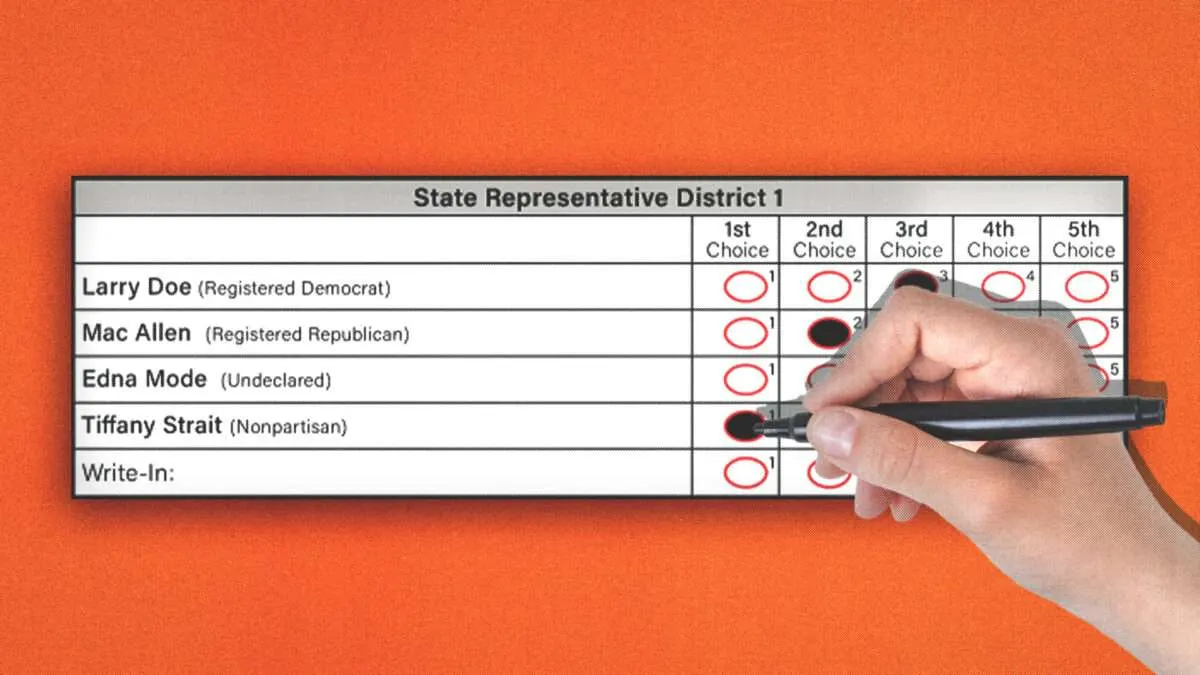
With 100 per cent of precincts reporting, Alaskans voted to keep ranked-choice voting by a margin of more than seven percentage points. It is the third time in six years they have backed the system, and the clearest result so far, signalling continued support despite repeated efforts to repeal it.
Adopted in 2020, the system uses an open primary in which all candidates compete and the top four advance. In the general election, voters rank those candidates; if no one wins a majority, the lowest-ranked candidate is eliminated and their votes are reassigned until someone passes 50 per cent. A repeal attempt narrowly failed in 2024, 50.1 per cent to 49.9 per cent. The article also reports that former Democratic representative Mary Peltola appeared set to defeat Republican incumbent Dan Sullivan for Alaska’s Senate seat, with more than 95 per cent of votes tallied.
In short
- Alaska voted to retain ranked-choice voting by more than seven points.
- Voters have backed the system in three votes over six years.
- The 2024 repeal bid failed by just 0.2 percentage points.
Steelman: both sides, in good faith
The strongest fair case each way — we don't pick a winner.
The case for
Supporters argue that ranked-choice voting lets voters express preferences more fully and can produce a winner with broader majority support, while the open primary gives voters a wider choice of candidates. They may also see repeated votes to retain the system, including this clearer margin, as evidence that Alaskans value having that choice.
The case against
Critics argue that ranked-choice voting and the top-four primary make elections harder to understand and administer, and can leave voters uncertain about how their rankings affect the result. They may prefer a simpler system in which voters choose one candidate, believing it is more transparent and easier to trust, even if the winner lacks majority support.