World news and discussion on TalkFuse.
Trump Administration Sought LinkedIn Data in Effort to Identify New York Times Sources
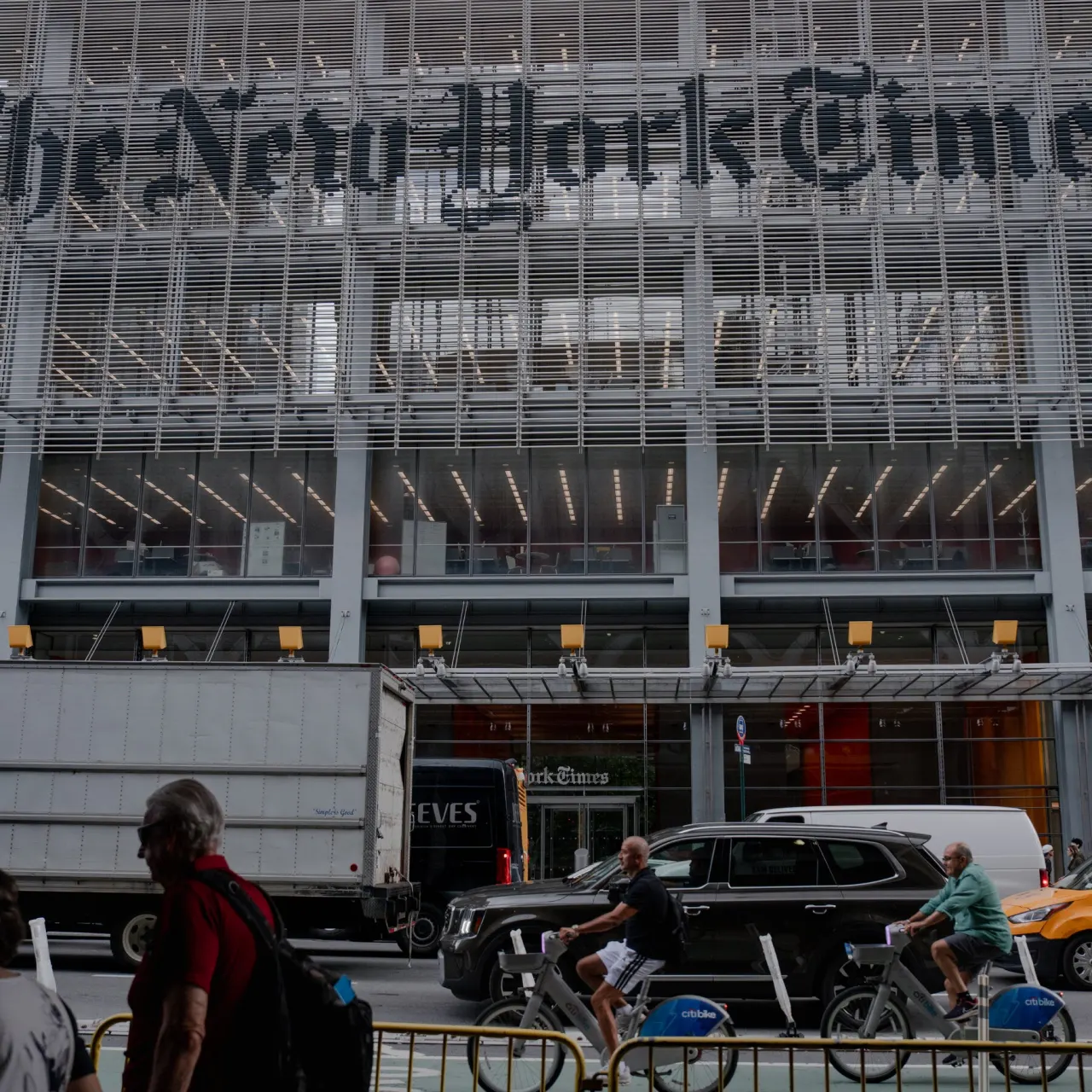
The Trump administration sought LinkedIn account data as part of an investigation into who provided information for a 2025 New York Times article about a failed 2019 Navy SEAL mission in North Korea. The disclosure, in a newly unsealed court filing, shows prosecutors pursued LinkedIn records and phone records in parallel while also seeking to compel a freelancer who helped write the article to testify about his sources.
Prosecutors sought metadata from six LinkedIn accounts, apparently covering the freelancer, four other Times journalists named in the article and one other person. A federal appeals court recently halted an order requiring LinkedIn to provide 18 months of data, saying it could expose unrelated confidential sources. The freelancer is asking to delay a hearing on his subpoena until that case is resolved; prosecutors oppose a delay.
In short
- Prosecutors sought data from six LinkedIn accounts.
- The inquiry concerns sources for a 2025 article about a 2019 mission.
- A court halted an order for 18 months of LinkedIn data.
Steelman: both sides, in good faith
The strongest fair case each way — we don't pick a winner.
The case for
Prosecutors can argue that investigating a possible unauthorised disclosure about a failed military operation is a legitimate duty, particularly where the information may affect national security. Seeking account and phone metadata, alongside testimony from a writer, may help establish how information travelled without necessarily seeking the content of private communications.
The case against
Journalists and press-freedom advocates can argue that tracing reporters’ and a writer’s contacts risks exposing confidential sources and deterring people from sharing information of public interest. The breadth of 18 months of data across several accounts could reveal unrelated relationships, so delaying the subpoena hearing until the appeal is resolved would protect against harm that may be difficult to undo.
Explained simply
The story centres on reporting about a 2019 US Navy SEAL mission in North Korea that failed. The New York Times published an article about the operation in 2025, based partly on information from people who spoke to the journalists.
The Trump administration investigated who provided that information. The people involved include the prosecutors conducting the investigation, the Times journalists and a freelance journalist who helped write the article; LinkedIn is also involved because it holds account records.
The dispute matters because records that show who contacted whom can help investigators identify sources, but may also reveal journalists’ confidential contacts on other stories. The case sits at the intersection of criminal investigations, access to information and protections for journalists’ sources.