World news and discussion on TalkFuse.
California winter couldn’t get any better with Florida-like behavior leading to endless frolicking
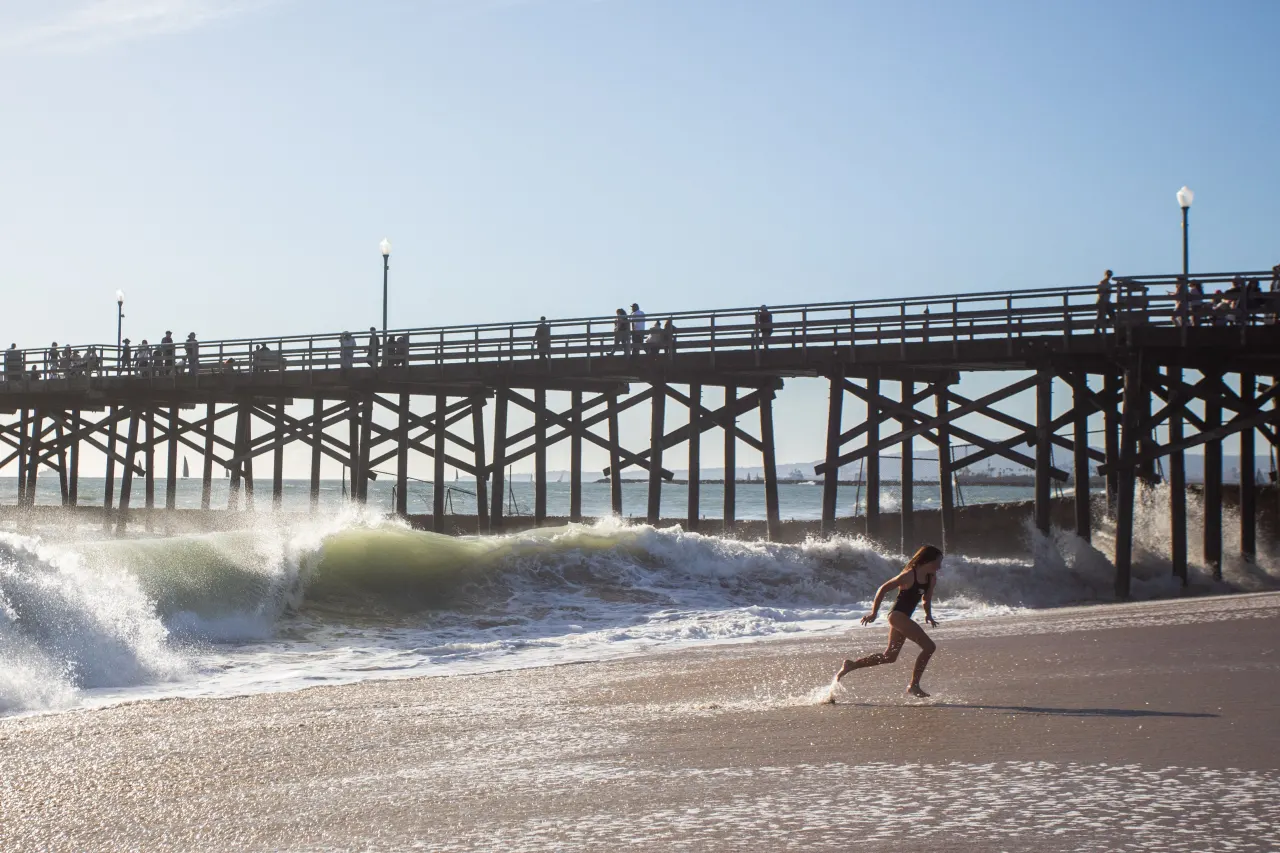
Santa Monica’s Pacific waters have reached 72°F in November, around 10 degrees above the usual average, prompting the writer to enjoy daily swims and unusually warm surfing conditions. The warmth is part of a wider hot spell that has made some residents uncomfortable and added to the cost of living, even as the writer says the ocean keeps them attached to California.
The piece describes downtown Los Angeles reaching 89°F, 14 degrees above normal, and friends facing steep air-conditioning bills: $1,000 in Palm Desert and a rise from $40 to $400 for a neighbour. It mentions El Niño and offshore winds as possible factors, alongside recent storms and the Colorado River Basin drought; Lake Mead reached a record low in August before recent storms brought more water. The writer weighs California’s high costs against the mood-lifting pull of the Pacific.
In short
- Santa Monica’s ocean is 72°F in November, about 10 degrees above average.
- Los Angeles reached 89°F, while some residents report sharply higher cooling bills.
- The writer weighs California’s costs against the appeal of swimming and surfing.
Steelman: both sides, in good faith
The strongest fair case each way — we don't pick a winner.
The case for
Unusually warm seas and sunny weather can make outdoor life more enjoyable, support swimming and surfing, and lift people’s spirits during winter. For residents who value access to the Pacific, that quality of life may help justify California’s high costs, even if the warm spell is temporary.
The case against
The same heat can make daily life uncomfortable and force households to spend heavily on air conditioning, adding to an already high cost of living. Temperatures well above normal and a warmer ocean may also raise concerns about broader climate and water pressures, so the pleasant conditions do not erase their potential costs.
Explained simply
California’s climate varies by region, but coastal areas usually have cooler, more moderate weather than inland and desert communities. In November, the Pacific near Santa Monica is typically much cooler than the 72°F reported here, while inland Los Angeles can be warmer.
El Niño, changing winds and wider weather patterns can all affect temperatures and rainfall, though their influence varies. Hot spells can increase air-conditioning use and bills, while drought in the Colorado River Basin has put pressure on water supplies; storms can bring water, but do not by themselves resolve longer-term shortages.
These conditions matter because California’s climate shapes daily life, household costs and water planning. The Pacific is also a major part of life along the coast, where its temperature can influence swimming and surfing.