Culture news and discussion on TalkFuse.
Pilots Kept Contact With Controllers During Nationwide Halt to Flights
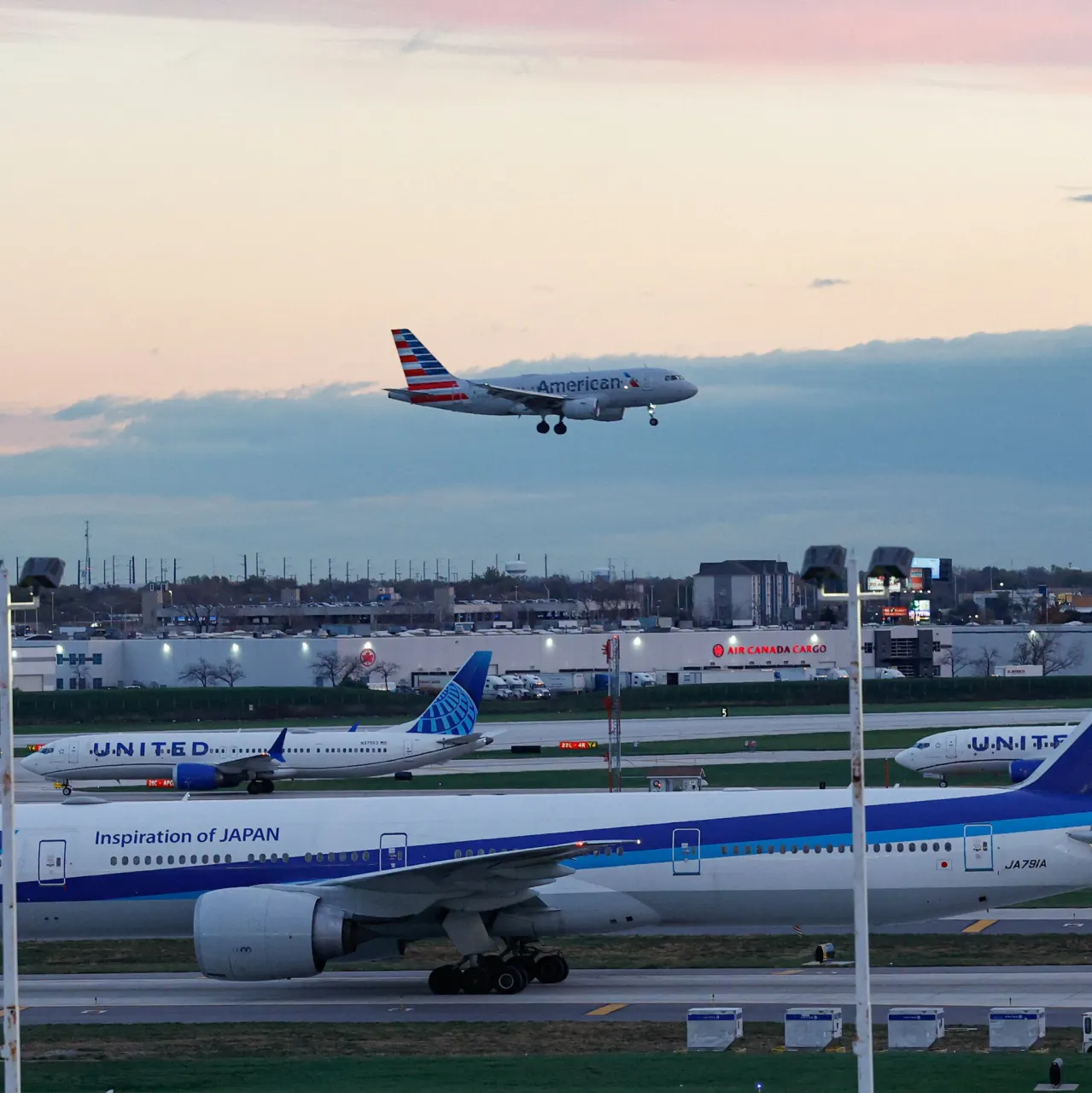
Pilots generally remained in contact with air traffic controllers and airline dispatchers during a technical outage that led the Federal Aviation Administration (FAA) to halt most departing flights across the country for nearly five hours on Friday. A pilots’ union backed the decision, saying the lack of reported communication failures did not mean the halt was unnecessary, since officials could not know what might have happened if flights had continued.
The FAA described the issue as intermittent rather than a complete blackout: some radio frequencies and radar feeds continued to work, allowing controllers to communicate with and track aircraft. The agency said data flooding its telecommunications network triggered the problem, with an initial investigation pointing to possible sources at a radar site in Amarillo, Texas, and a radio site in El Dorado, Arkansas. The investigation is ongoing, and aviation crews have backup ways to communicate if primary systems fail.
In short
- Most pilots stayed in contact during the outage.
- The FAA halted departures for nearly five hours.
- Investigators are examining two possible sites linked to the disruption.
Steelman: both sides, in good faith
The strongest fair case each way — we don't pick a winner.
The case for
A nationwide halt was a defensible precaution: officials facing an unpredictable failure in communications infrastructure could not be sure that remaining radio and radar links would stay reliable as traffic continued. The pilots’ union argued that the absence of reported failures during the halt does not show that continuing to fly would have been safe, and temporary disruption may be justified to protect passengers and crews.
The case against
Because the outage was intermittent and some radio and radar systems remained available, a blanket halt may have been broader than necessary if aircraft could still be tracked and crews had backup communications. A thoughtful critic could argue that a more targeted response, based on which systems or locations were affected, might have maintained more service while managing the risk; the ongoing investigation may help establish whether that was practical.
Explained simply
The Federal Aviation Administration (FAA) oversees the safety of civil aviation in the United States, including air traffic control. Controllers use radio and radar systems to communicate with pilots and track aircraft, while airline dispatchers help crews with operational information.
Pilots, controllers and dispatchers each play a part in keeping flights coordinated. When communications or tracking systems are disrupted, officials may restrict departures while they assess the risks; aircraft also have backup ways to communicate if primary systems fail.
The issue matters because a technical fault in shared aviation systems can affect flights across the country, even if some channels remain available. Understanding how those systems work helps explain why an outage can prompt a broad response.