Technology news and discussion on TalkFuse.
Why Chase, Microsoft and United are facing crippling outages — and why it’s all likely to get worse
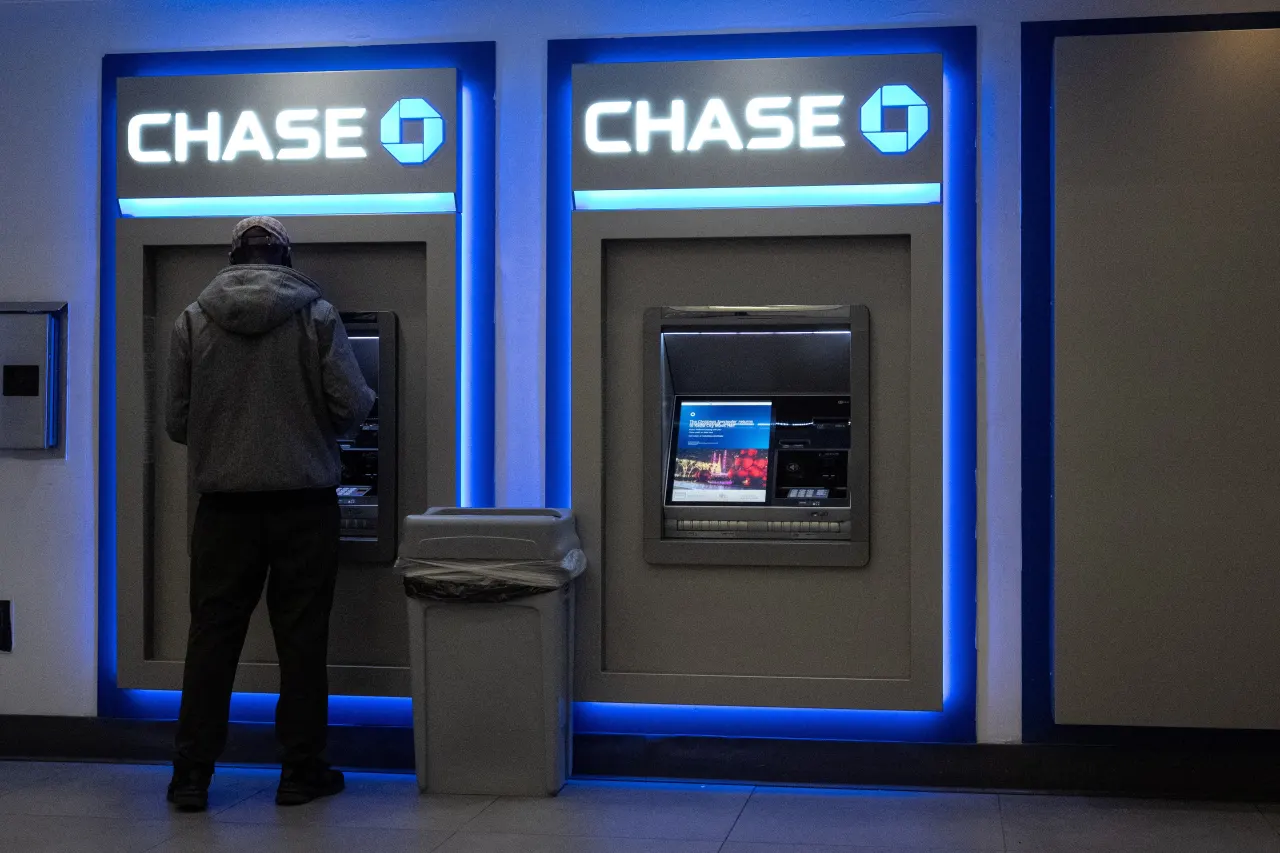
Major outages at JPMorgan Chase, Microsoft and United Airlines within a few days have exposed the fragility of systems underpinning everyday services. Experts say companies are racing to modernise ageing technology while adding AI tools and third-party services, increasing complexity as the busy holiday period approaches.
Chase blamed a software bug for Monday’s disruption, which also affected transactions involving Zelle and several other banks; United halted departing flights the same day. Microsoft reported a latent defect and surging server demand behind its Thursday outage, while a malfunctioning router was blamed for the FAA’s Friday nationwide ground stop. None of the incidents has been attributed to a cyber attack, and there is no evidence they were connected or caused by AI.
In short
- Outages hit major services in quick succession.
- Ageing systems and added technology can create more failure points.
- Holiday demand may increase the impact of further disruptions.
Steelman: both sides, in good faith
The strongest fair case each way — we don't pick a winner.
The case for
The outages show that essential services depend on increasingly complex systems, where ageing technology, software changes and reliance on outside providers can combine to cause widespread disruption. Companies should invest in modernisation, testing and resilience before peak travel and shopping periods, since failures can affect millions of people and other organisations.
The case against
Several unrelated failures in a short period do not by themselves show that the underlying systems are becoming less reliable or that modernisation and new tools are making outages worse. Replacing old infrastructure also carries risks and costs; careful upgrades, redundancy and contingency plans may improve reliability without slowing useful innovation or overstating what these incidents establish.
Explained simply
Banks, airlines, cloud computing services and air traffic control all rely on complex computer systems to handle payments, bookings, online services and flight movements. These systems often connect older technology with newer software and services supplied by other companies, so a fault in one part can disrupt services people use every day.
JPMorgan Chase is one of the largest US banks, Microsoft provides widely used cloud and online services, and United Airlines is a major US carrier. Zelle is a payment network used by customers of several banks, while the Federal Aviation Administration oversees US air traffic; disruptions to these services can therefore affect people and businesses beyond a single company.
Companies are updating systems and adding new tools while also managing rising demand, which can make technology harder to maintain. Outages can delay payments and travel, and the approaching holiday period brings heavier demand for some services.
AI Culture Cybersecurity Software Technology Travel World