Politics news and discussion on TalkFuse.
Fast Takes: Dems’ mandate to moderate, cue the war on guns and other commentary
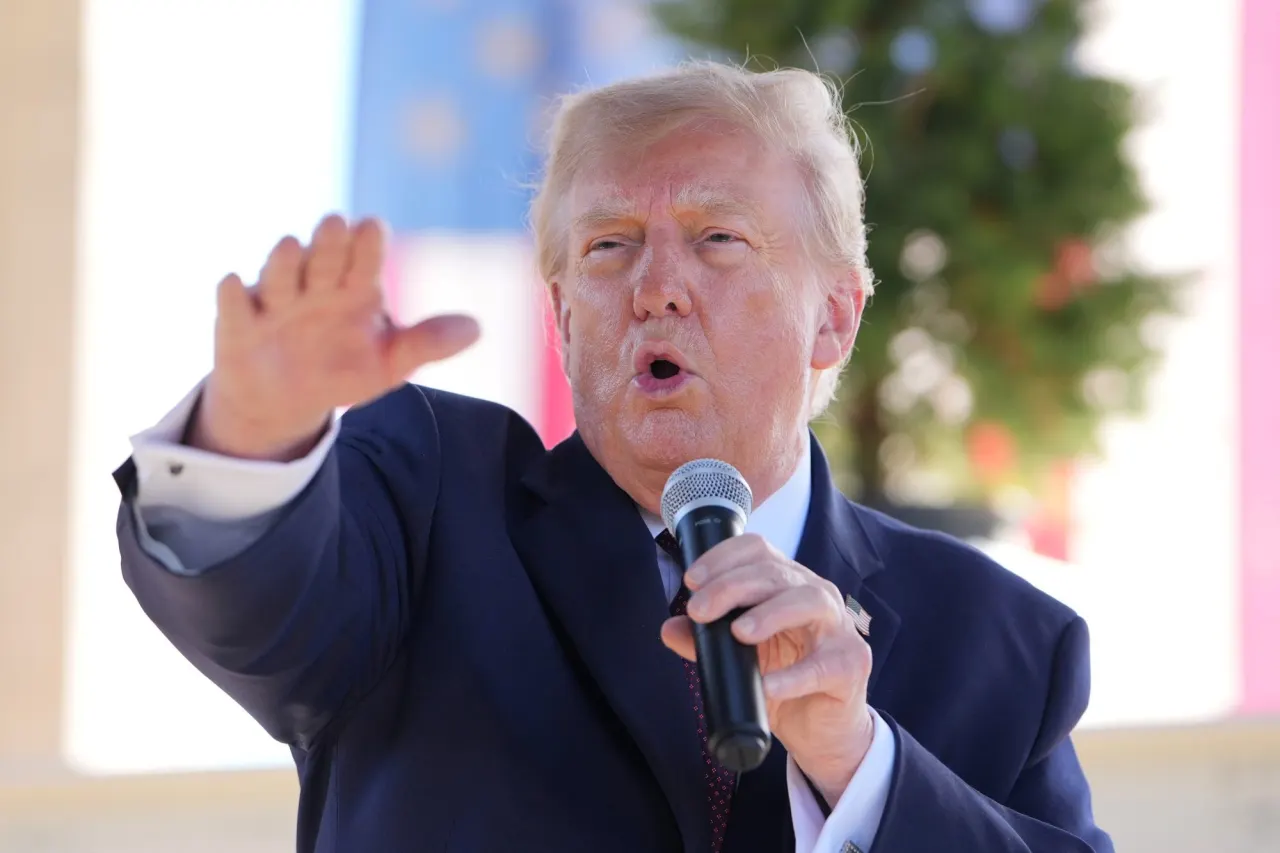
The article argues that Democrats’ midterm victories should be read as voters rejecting Republicans rather than giving Democrats an open-ended mandate. It says the party risks losing moderate support if it prioritises impeachment, cultural disputes or gun restrictions over the cost of living and government oversight.
The commentary also raises concerns about proposals for private firearm sale checks in Texas, a proposed overhaul of US air traffic control, and efforts to make the national popular vote determine presidential elections. It cites an exit poll in which 52% of voters viewed the Democratic Party unfavourably and moderates, 41% of voters, backed Democrats over Republicans by 66% to 32%. It also says Canada’s air traffic system has costs 25% below the FAA’s, while warning that federalising elections could weaken state-level safeguards.
In short
- Democrats won largely on opposition to Republicans, the article argues.
- Moderates made up 41% of voters and favoured Democrats 66% to 32%.
- The commentary questions gun proposals, FAA reform and nationalising elections.
Steelman: both sides, in good faith
The strongest fair case each way — we don't pick a winner.
The case for
Democrats can reasonably read their midterm victories as a mandate to act on voters’ concerns, including stronger oversight and measures to reduce gun violence. Supporters of private-sale checks argue they can close gaps in background screening while respecting lawful gun ownership, and advocates of a national popular vote say the presidency should reflect the choice of the most voters nationwide. They may also see changes to air traffic control as a chance to improve a system whose performance and costs merit scrutiny.
The case against
The results can also be read as chiefly a rejection of Republicans, rather than broad approval of an expansive Democratic agenda; the cited polling suggests moderates were important to the party’s gains even as many voters viewed it unfavourably. Those who favour restraint argue that prioritising impeachment, cultural disputes or gun restrictions could alienate that coalition and displace attention from living costs and government oversight. They may also worry that changing election rules at federal level could weaken state safeguards, and that major air traffic reforms carry risks even if other countries spend less.