World news and discussion on TalkFuse.
The Nvidia Scandal Reveals an Administration Willing to Sell America Out
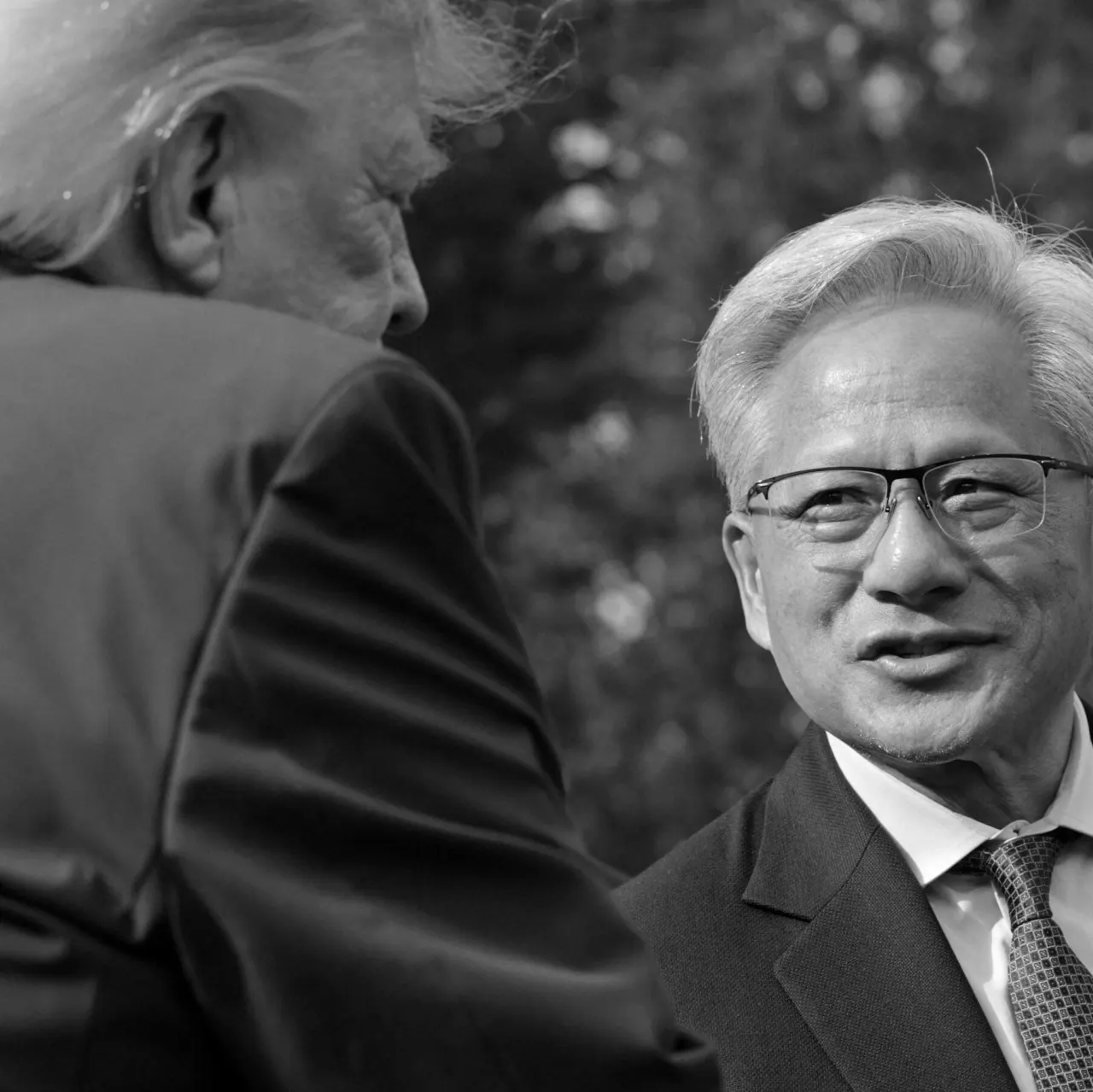
The opinion article argues that the Trump administration’s handling of Nvidia’s chip sales to China undermines its stated aim of winning the artificial intelligence race. It says the administration used competition with China to justify weakening AI safeguards, while allowing policies that could strengthen China’s AI industry and benefit people close to Trump.
The article contrasts this approach with Joe Biden’s policy of restricting China’s access to advanced chips while promoting responsible AI development. It says Trump revoked Biden’s AI safety-testing order, opposed state regulation and liability measures, and reversed restrictions on Nvidia chip exports: the H20 ban was lifted in July 2025, followed by permission to sell the more powerful H200 chips in December. The supplied article text ends mid-sentence, and its claims are presented as the opinion writer’s argument.
In short
- The article says Trump’s chip policy contradicts his AI race rhetoric.
- Nvidia was allowed to sell H200 chips to China.
- The writer argues the shift risks US security and AI oversight.
Steelman: both sides, in good faith
The strongest fair case each way — we don't pick a winner.
The case for
Permitting Nvidia to sell advanced chips to China could be defended as a way to protect American commercial interests, sustain the company’s global position and avoid ceding markets to foreign competitors. Supporters might argue that engagement and carefully chosen exports can preserve influence over technology standards, while broad restrictions risk accelerating China’s efforts to build its own chip industry. They may also see lighter AI regulation as helping US firms innovate quickly in a strategically important contest.
The case against
Restricting access to advanced chips can be defended as protecting national security and slowing the development of capabilities that may strengthen China’s military or strategic position. Critics may argue that allowing sales while weakening AI safeguards undermines the administration’s stated goal of maintaining US leadership, and that near-term commercial gains do not outweigh the risk of aiding a rival’s AI industry. They may also favour safeguards and accountability rules to manage AI risks while supporting innovation.
Explained simply
Nvidia is a US company that designs advanced computer chips used to develop and run artificial intelligence. China is seeking to build its own AI industry, and access to powerful chips is one factor that can affect how quickly it develops.
The Biden administration restricted China’s access to some advanced chips and issued an order requiring safety testing for certain AI systems. The Trump administration revoked that order and reversed some chip-export restrictions, including limits on Nvidia’s H20 and H200 chips. These decisions sit within a wider debate over how to balance competition with China, AI safety and controls on technology exports.
The opinion writer argues that the changes could benefit China’s AI industry and people close to Trump, while weakening the administration’s stated goal of keeping the US ahead in AI. Those are the writer’s claims; the article text provided ends before its argument is complete.