Technology news and discussion on TalkFuse.
‘A futuristic debate now very real’: Why the world is struggling to regulate killer robots
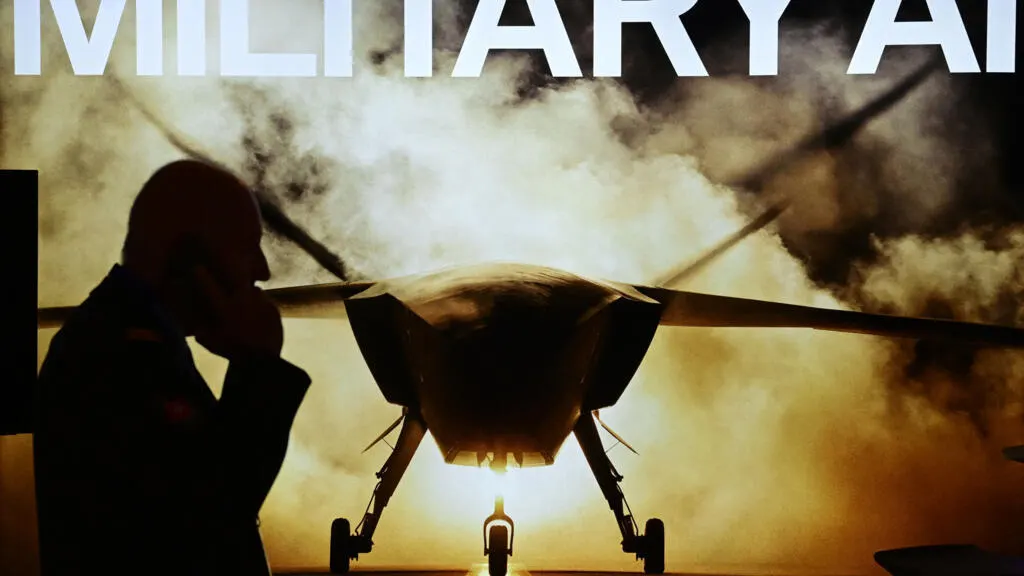
Delegates from 128 countries have met in Geneva to consider whether to begin negotiations on legally binding rules for autonomous weapons that can select and attack targets without human input. The debate has become more urgent as AI-guided drones are being used in Ukraine, raising concerns about whether commanders can ensure their use complies with international humanitarian law.
Russia and Ukraine are reported to be testing drones that choose targets themselves, while Ukrainian investigators believe AI-guided Russian drones killed three people at a Zaporizhzhia petrol station in September. A majority of states support regulation in principle, but major arms producers including the United States and Russia oppose a pact, and decisions under the UN weapons convention require consensus. States have discussed the issue for more than a decade, including how much human control is needed.
In short
- 128 countries are considering talks on binding rules for autonomous weapons.
- AI-guided drones in Ukraine have intensified concerns about human control.
- Consensus rules and opposition from major arms producers may impede progress.
Steelman: both sides, in good faith
The strongest fair case each way — we don't pick a winner.
The case for
Legally binding rules could help ensure that life-and-death decisions remain subject to meaningful human judgement and that weapons can be used in line with humanitarian law. Supporters argue that clear international standards would reduce civilian harm, improve accountability and keep pace with technology before autonomous targeting becomes more widespread.
The case against
Opponents may argue that existing humanitarian law already applies to weapons and that a new treaty could be difficult to define, enforce or adapt as technology changes. They may also see autonomous systems as potentially useful for military defence and argue that limiting them through a consensus-based pact could constrain security choices without preventing development or use by states outside the agreement.
Explained simply
Autonomous weapons are systems that can identify and attack targets without a person choosing each target at the time. They range from weapons with limited automated functions to systems that could make more of the decision themselves. Governments have debated for years how much human control should be required.
The talks take place under a United Nations convention on certain weapons, where decisions require every participating state to agree. Many countries support rules in principle, while some major arms-producing states oppose a binding agreement. The debate concerns how to apply the laws of war, which require parties to distinguish between military targets and civilians and limit harm to civilians.