Politics news and discussion on TalkFuse.
Scientist Risks It All To Say What Others Won’t About Epstein: Photos Show He Was Killed
Developing story first seen 14 hours ago
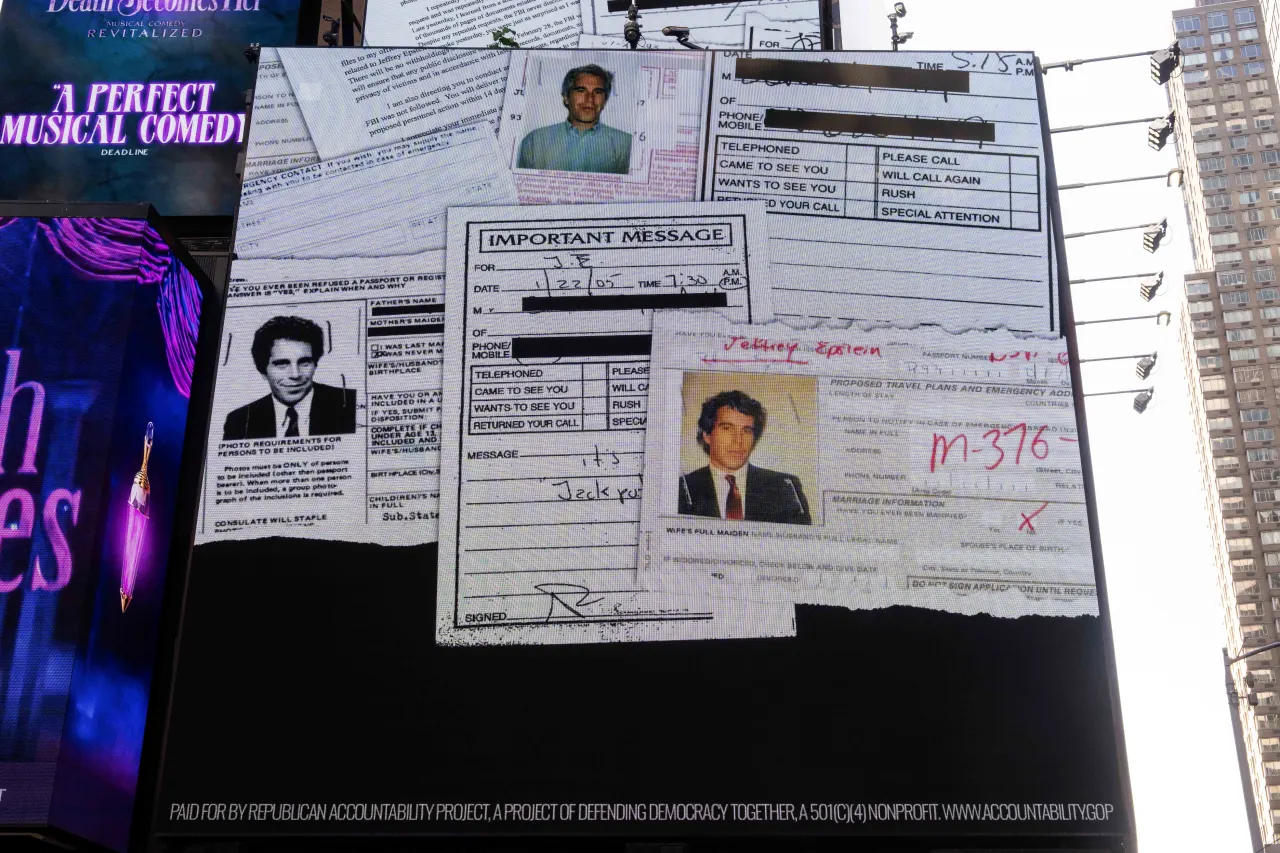
New details describe forensic physician Michael Freeman’s analysis of Jeffrey Epstein’s autopsy photographs, which he says points more plausibly to homicidal strangulation than suicide. The claim challenges the official ruling, but Freeman’s interpretation has not been published in a peer-reviewed journal and does not establish that Epstein was murdered.
Freeman says the neck mark was deep, ragged and branched into a Y-shape, unlike the smooth, sloping mark he associates with hanging; he also says other injuries suggest a struggle. Epstein’s brother, Mark, gave him access to the photographs, which he later published online. The New York City medical examiner’s office stands by its suicide determination, while the examiner was not allowed to inspect Epstein’s cell.
- Sources
- 2
- Outlets
- 2
- Left · Centre · Right
- 0 · 1 · 1
In short
- Freeman says the autopsy photos suggest strangulation.
- The medical examiner’s office maintains its suicide ruling.
- Freeman’s analysis has not yet appeared in a peer-reviewed journal.
How this story developed
- 5 hours ago Forensic physician Dr Michael Freeman argues that Jeffrey Epstein’s 2019 death was more consistent with homicidal strangulation than suicide, based on his study of autopsy photographs.
- 6 hours ago New details describe forensic physician Michael Freeman’s analysis of Jeffrey Epstein’s autopsy photographs, which he says points more plausibly to homicidal strangulation than suicide.
Where outlets differ
Centre outlets 1
Only here: forensic, expert, analysis, autopsy, suggests
Right-leaning outlets 1
- Scientist Risks It All To Say What Others Won’t About Epstein: Photos Show He Was KilledThe Daily Caller
Only here: scientist, risks, others, show
Every side used: photos, epstein, killed
Headline columns compared word for word; nothing in them is AI-written.
Steelman: both sides, in good faith
The strongest fair case each way — we don't pick a winner.
The case for
Freeman’s interpretation merits consideration because he says the neck injury’s depth and shape, together with other injuries, are less typical of suicide by hanging and may indicate a struggle. The medical examiner could not inspect the cell, leaving some evidence unavailable, and independent scrutiny of the photographs could help clarify what the official ruling does and does not establish.
The case against
The medical examiner’s suicide ruling remains the conclusion of the authority responsible for the autopsy, while Freeman’s analysis of photographs supplied by Epstein’s brother is not itself proof of homicide. The reported findings have not yet been published in a peer-reviewed journal, and unusual injury patterns or missing scene evidence do not by themselves establish that another person caused the death.
Explained simply
Jeffrey Epstein was a wealthy American financier who was charged with sex trafficking minors. He died in a New York jail in 2019 while awaiting trial; his death drew intense public attention because of his connections to prominent people and the seriousness of the charges.
The New York City medical examiner ruled that Epstein died by suicide. Dr Michael Freeman, a forensic physician, has questioned that conclusion after examining autopsy photographs supplied by Epstein’s brother, Mark. Disagreement about the injuries and the circumstances in the jail has kept scrutiny on how the death was investigated.
Coverage · 2 sources
Bias meters
From 2 rated sources.