Business news and discussion on TalkFuse.
Bullock says low-income renters concern her more than mortgage holders
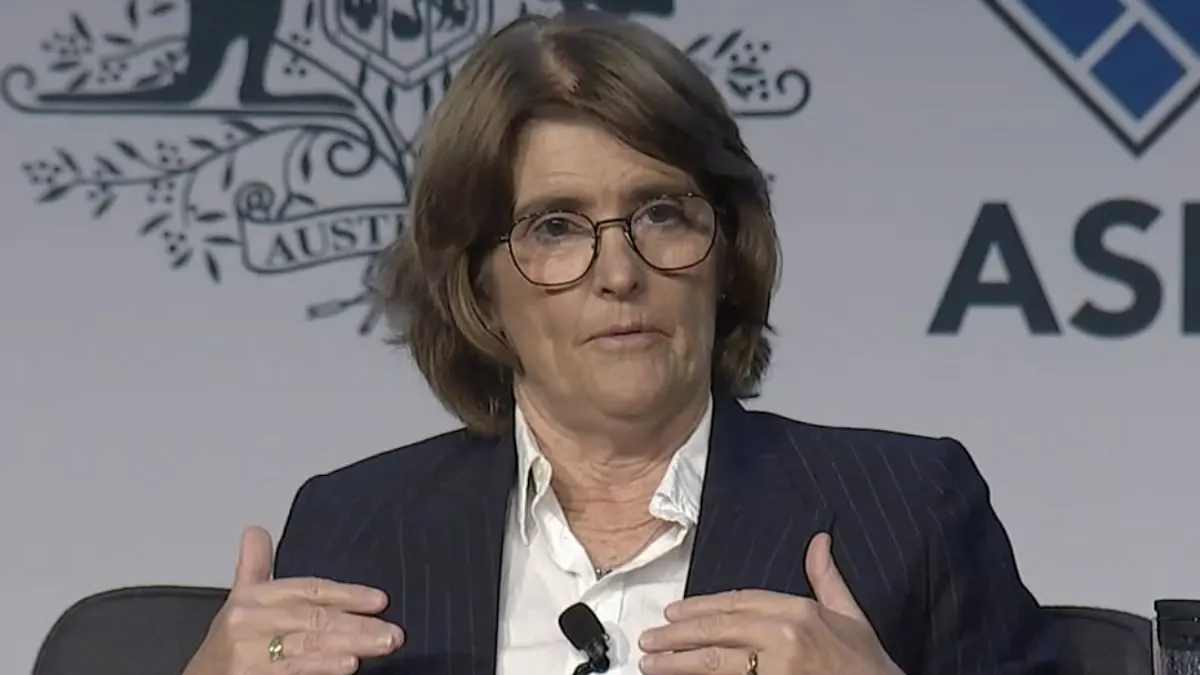
Reserve Bank governor Michele Bullock said low-income renters are a greater concern to her than average mortgage holders, amid persistent cost-of-living pressures and the prospect of further interest rate rises. She warned that inflation risks remain tilted upwards, even as a slowing housing market could help ease pressure.
The cash rate is reported at 4.3 per cent, following five rises this year. Bullock cited oil prices, the boom in AI data centres and the risk that inflation expectations become entrenched; minutes showed the latest rise passed by six votes to three, with dissenters warning of a sharper downturn and higher unemployment. The board meets again in early December, while major banks broadly expect rates to stay unchanged.
In short
- Bullock says low-income renters are especially vulnerable.
- Inflation risks could prompt further rate rises.
- The board’s latest increase passed six votes to three.
Steelman: both sides, in good faith
The strongest fair case each way — we don't pick a winner.
The case for
With inflation still at risk of rising, the Reserve Bank may need to keep rates high or raise them to prevent price pressures becoming entrenched. That could protect purchasing power over time and help restore stable conditions, which matter to renters as well as homeowners; Bullock’s concern for low-income renters recognises that they have little financial buffer against rising living costs.
The case against
Further rate rises would increase repayments for borrowers and could weaken spending, investment and employment, deepening the downturn the dissenting board members fear. Low-income renters may also be harmed if tighter policy slows the economy or housing supply, while higher interest costs can feed through to rents; this view prioritises avoiding unnecessary economic damage when inflation risks may ease.
Explained simply
The Reserve Bank of Australia sets the cash rate, which influences borrowing costs across the country. Higher rates can help slow price rises by reducing spending, but they also make mortgage repayments more expensive and can weaken economic activity.
Renters do not borrow directly through a mortgage, but landlords’ costs and the supply of available homes can affect rents. People on lower incomes may have less room in their budgets to absorb rising costs, while mortgage holders’ exposure varies depending on their loans and finances.
The bank’s board must weigh the risk that inflation stays high against the risk that rate rises slow the economy too sharply. Its decisions affect households, businesses and employment, and are watched closely by borrowers and financial markets.
Read the full article at the source →
Originally published by Daily Mail as “Reserve Bank boss Michele Bullock delivers tough message to mortgage holders after five rate hikes – saying she’s more worried about renters”.