World news and discussion on TalkFuse.
They’re Young, Frustrated and Want France to Change. They Disagree on How.
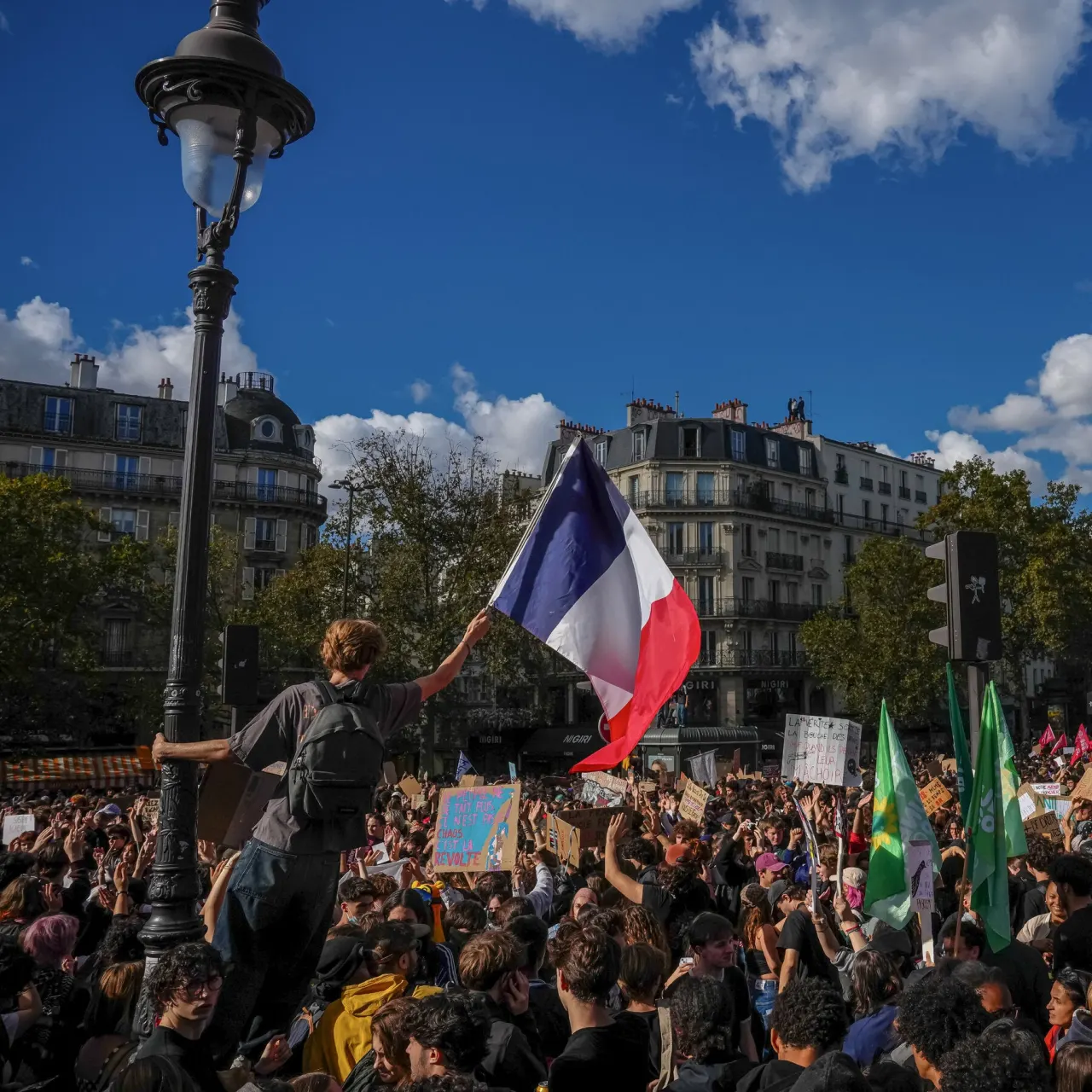
Soumaya Sarré, an 18-year-old left-wing student activist, and Louise Montangon, a 22-year-old far-right critic of the protests, have become contrasting public faces of France’s youth discontent. Their rise comes as strikes and demonstrations continue over problems in education and as the country approaches a presidential election in which support among young people is heavily concentrated at the political extremes.
The two women agree that French schools are run down, teachers are in short supply and university applications lack transparency, and both are angry with President Emmanuel Macron and his allies. They disagree on tactics: Montangon says change can be pursued without disrupting everything, while Sarré says protests should continue until there is concrete progress. Polls cited in the article show more than 40 per cent of under-25s support far-left candidate Jean-Luc Mélenchon and more than 20 per cent support far-right candidate Marine Le Pen.
In short
- Two young activists embody France’s growing political divide.
- Both criticise education problems and Macron’s government.
- They disagree over whether disruptive protests should continue.
Steelman: both sides, in good faith
The strongest fair case each way — we don't pick a winner.
The case for
Sarré’s case is that persistent demonstrations can make neglected problems in education impossible for leaders to ignore, especially when students see little progress through ordinary channels. Continuing protests until there are concrete improvements reflects a belief that disruption is justified when institutions fail to respond to serious grievances.
The case against
Montangon’s case is that schools and universities need reform, but widespread disruption can impose costs on students and the public without ensuring lasting change. Pursuing improvements through less disruptive means may preserve education and build broader support, while still holding the government to account.
Explained simply
France’s education system has faced complaints about ageing school buildings, shortages of teachers and how university places are allocated. Strikes and demonstrations are one way students and staff have sought to draw attention to these problems.
Emmanuel Macron is France’s president, and his government’s policies are a focus of public debate. Young people’s support is divided among parties at the political extremes, including the far-left movement led by Jean-Luc Mélenchon and the far-right party led by Marine Le Pen.
The disagreement over protest reflects different views about how to bring change: some favour keeping services running while pursuing reforms, while others see disruption as necessary to press for progress.