World news and discussion on TalkFuse.
Jo Hopper’s diaries expose the troubled marriage behind Edward Hopper’s art
A new biography of Edward Hopper draws on decades of diaries, letters and records kept by his wife, painter Josephine “Jo” Nivison Hopper, to examine their troubled marriage and artistic rivalry. Her newly available notes describe abuse, an unsatisfactory sex life and anger at being erased from accounts of her husband’s career, raising questions about how their private relationship shaped his art.
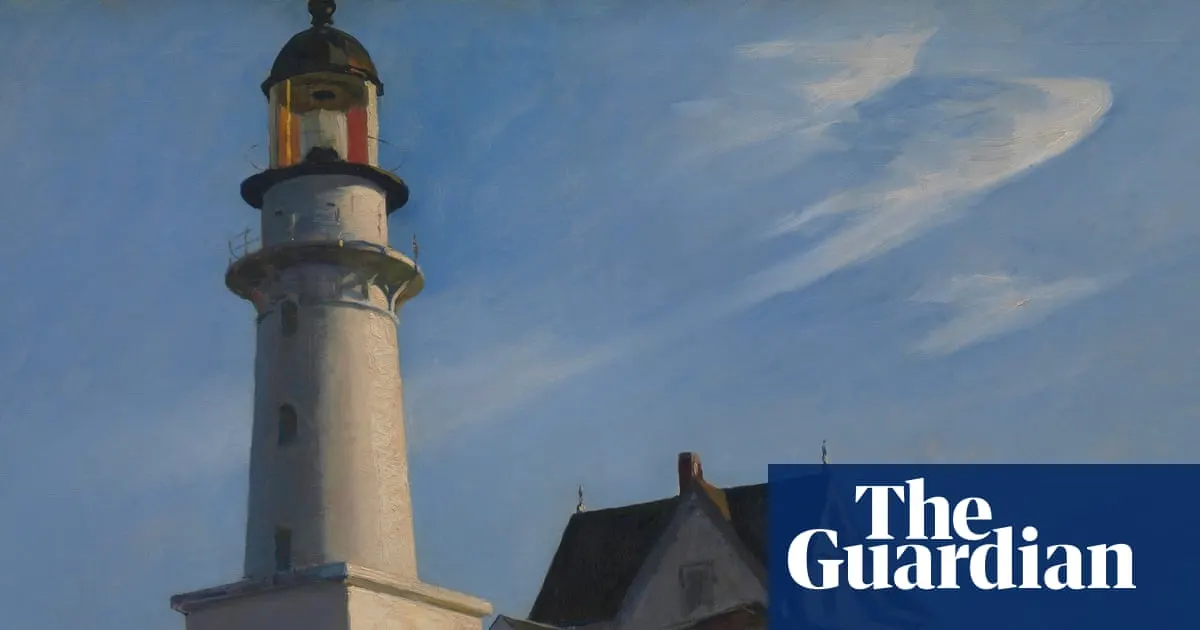
The biography also challenges assumptions about Hopper’s early work: some paintings long presented as originals were copies based on reproductions in Victorian periodicals. It highlights his focus on regional subjects, especially the lighthouse at Two Lights in Maine, which he painted repeatedly; Jo’s account says he objected when she tried to paint it herself. The supplied article ends mid-sentence, so it gives no further explanation of the lighthouse’s significance.
In short
- Jo Hopper’s diaries reveal conflict and rivalry within the couple’s marriage.
- The biography says some of Hopper’s early paintings were copies.
- He repeatedly painted a Maine lighthouse that Jo was discouraged from painting.
Explained simply
Edward Hopper was a major American painter known for scenes of everyday life, including solitary figures and city streets. His wife, Josephine “Jo” Nivison Hopper, was also an artist; they married in 1924, and she often modelled for his paintings.
Jo kept diaries, letters and records over many years, documenting both their life together and her own work. Her papers may help explain how the couple’s relationship and rivalry affected their careers, and how accounts of Hopper’s art came to overlook her contribution.
Read the full article at the source →
Originally published by The Guardian as “‘His lighthouses are self-portraits’: did Edward Hopper paint his sexual problems?”.