World news and discussion on TalkFuse.
European pesticide firms’ products cited in 1,605 Brazilian poisoning reports last year
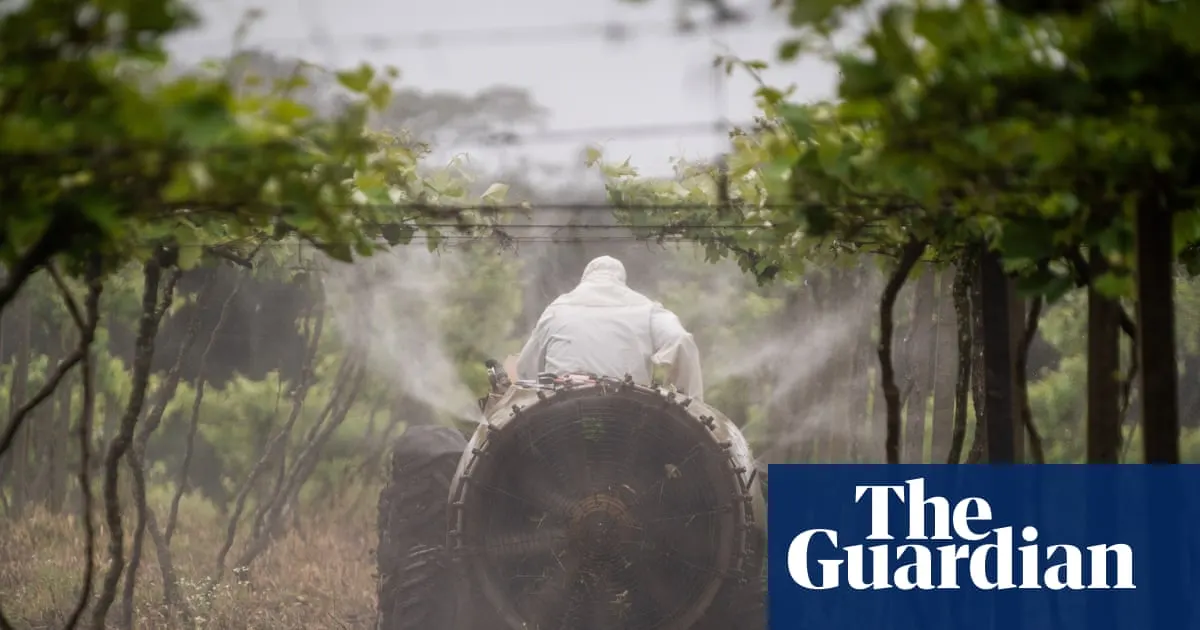
An investigation found that products sold by European pesticide companies were named in 1,605 Brazilian health reports about pesticide poisoning or exposure in 2025. About a third of those reports involved chemicals banned for farm use in the EU, highlighting how some restricted pesticides are still made for export to countries where their use is legal.
The analysis covered 2,857 reports that named an identifiable agricultural product; 1,420 were classified as confirmed poisonings and 1,108 as exposures. A product’s appearance in a report does not prove it caused harm, and experts say limited training and support can make diagnosis difficult. One UK-made product cited was Reglone, containing diquat, which Syngenta continues to make in Huddersfield for export; Brazilian farmer Nelson Castoldi died after accidentally drinking it.
In short
- European pesticide brands appeared in 1,605 Brazilian reports.
- About a third involved chemicals banned on EU farms.
- A UK-made weedkiller was linked to a farmer’s fatal accident.
Steelman: both sides, in good faith
The strongest fair case each way — we don't pick a winner.
The case for
European pesticide firms can argue that producing chemicals for export is lawful where the destination country permits their use, and that restrictions reflect differing assessments of risk and farming needs. They may also say that a product being named in a health report does not establish it caused the illness, especially where diagnosis and exposure records are uncertain; safe use depends on training, controls and local enforcement.
The case against
Critics argue that exporting pesticides barred for farm use in the EU applies a lower standard of protection to people in other countries, even when the same companies make the products in Europe. The poisoning reports, alongside the confirmed death described in the story, point to serious potential harms and strengthen the case for ending exports of chemicals considered too hazardous for European use.
Explained simply
Brazil is a major agricultural producer, and pesticides are used there to protect crops. Health reports can record suspected poisoning or exposure, but a product being named does not by itself show that it caused someone’s illness.
European companies make pesticides for markets around the world. Some chemicals that cannot be used on farms in the European Union may still be produced for export to countries where their use is permitted. The rules therefore differ between the place a pesticide is made and the place it is used.
The issue involves pesticide makers, Brazilian farmers and health workers who assess reports of possible harm. Identifying the cause can be difficult, particularly when people have limited training or medical support. The reports matter because they help show where exposure is being recorded, while also requiring care in interpreting what they establish.
Read the full article at the source →
Originally published by The Guardian as “European-made pesticides named in 1,605 poisoning reports in Brazil last year”.