Business news and discussion on TalkFuse.
Somerset cider trial tests 3,800 apple trees for climate resilience
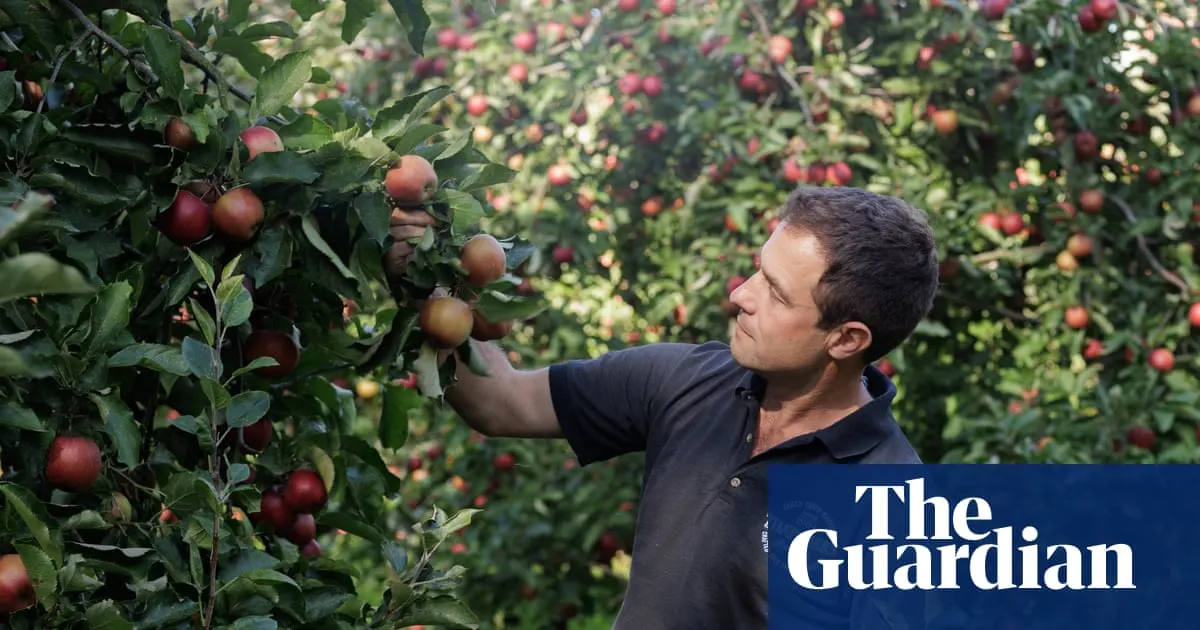
Thatchers Cider is trialling 3,800 apple trees at its Somerset farm to find varieties that can cope with changing weather, pests and disease. The work matters because climate shifts are already affecting harvests, and the company says it recorded its earliest harvest in its 122-year history this year.
Each of the orchard’s 100-tree rows grows a different variety, with researchers assessing reliable cropping, natural resilience and suitability for cider. The trials draw on 458 varieties saved by Martin Thatcher’s father from the former Long Ashton research station; trees can take seven years to bear fruit and may live for 40. Growers are also looking for apples that need less winter chill and blossom at times that suit pollinators.
In short
- Thatchers is testing 3,800 trees for climate resilience.
- Its harvest was the earliest in the company’s 122-year history.
- The trials compare varieties for reliable crops and natural resistance.
Explained simply
Cider apples vary in when they blossom, how much winter cold they need and how well they withstand pests and disease. These traits affect whether trees produce a dependable crop and whether their apples are suitable for making cider.
Thatchers is a family cider maker based in Somerset. Its trial draws on varieties preserved by Martin Thatcher’s father from the former Long Ashton research station, and compares them in separate orchard rows. Finding suitable trees takes time: they may take seven years to fruit and can live for decades.
The results matter to growers planning orchards for changing weather. Varieties that crop reliably with less winter chill, withstand disease and blossom at times that suit pollinators could help support future cider harvests.
Read the full article at the source →
Originally published by The Guardian as “Drought, early harvests and wet winters: can an experimental orchard save the UK’s cider industry?”.