World news and discussion on TalkFuse.
I’ll be a better mum at 59: the haters don’t question older dads
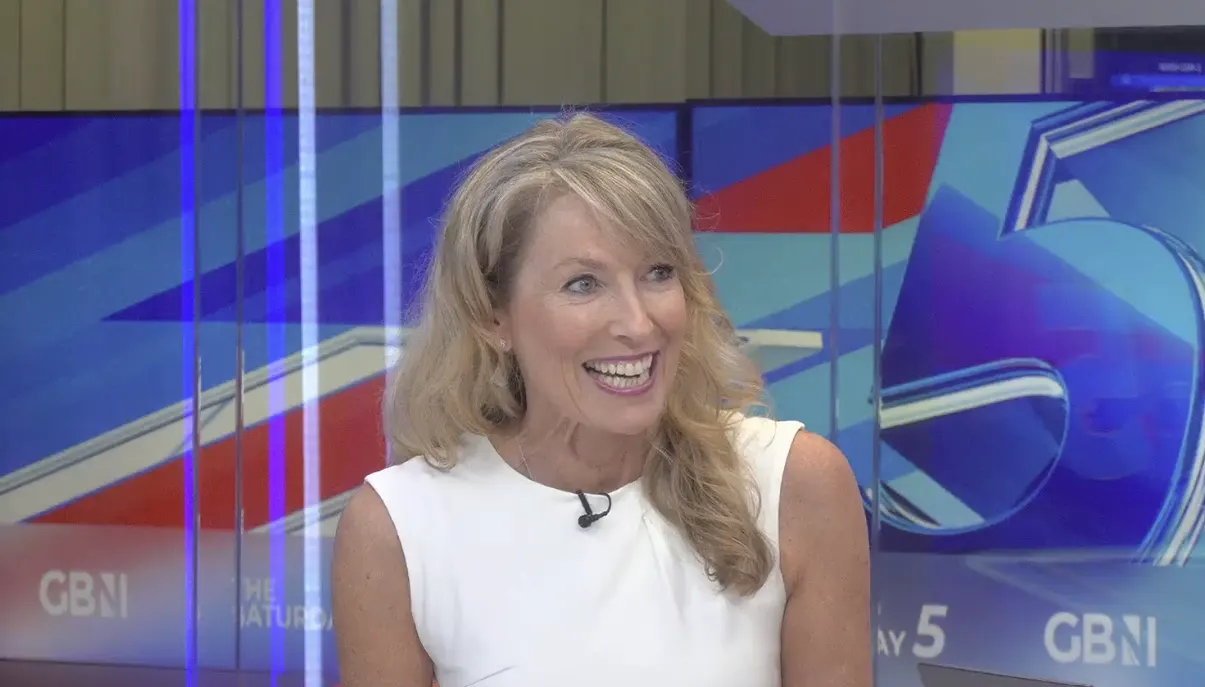
Dr Renee Hoenderkamp says she is expecting another child at 59 and argues that older mothers face harsher criticism than older fathers. Drawing on her experience of having her first child at 21 and her daughter at 51, she says greater patience, flexibility and financial security have made her a more present parent.
She describes reading with her daughter, limiting screens and preparing meals at home, and says her partner, who was 57 when their daughter was born and is now 66, has also been able to be an involved parent. Hoenderkamp says the criticism of her pregnancy focuses on her age, while society is less likely to question men who become fathers later in life; the supplied article text ends mid-sentence.
In short
- Hoenderkamp says she is expecting a child at 59.
- She believes age and stability have improved her parenting.
- She argues older mothers face a double standard.
Steelman: both sides, in good faith
The strongest fair case each way — we don't pick a winner.
The case for
Older mothers can be capable, loving and well supported, and age alone does not determine how present or attentive a parent will be. Hoenderkamp’s experience suggests that patience, flexibility and financial security gained over time can help her care for a child; applying harsher scrutiny to mothers than to fathers may also reflect a gender double standard.
The case against
Choosing to have a child later in life can raise reasonable questions about a parent’s health, energy and likely years of caregiving, as well as the support available to the child if a parent becomes unwell or dies. Those concerns can apply to older fathers too, and raising them need not imply that an older parent cannot provide a loving home.